Church Wedding Songs
| Ceremony Moment | Recommended Song Type |
| Prelude | Soft instrumental or worship music |
| Processional | Traditional or contemporary Christian song |
| Interlude / Unity Moment | Reflective worship or gospel song |
| Congregational Singing | Familiar hymns or worship songs for guests |
| Recessional | Joyful, upbeat church or gospel song |
| Postlude | Light instrumental music for guest exit |
What Makes a Good Church Wedding Song
Choosing music for a church wedding goes beyond picking songs you enjoy hearing. The setting itself shapes what works best. Since a church is a sacred space, the music should feel respectful, meaningful, and aligned with the spiritual tone of the ceremony. Songs with faith-based messages tend to fit naturally, especially those that speak about love, commitment, and unity under God. Many churches also have guidelines that limit music choices, so checking with the officiant or music director early helps avoid last-minute changes.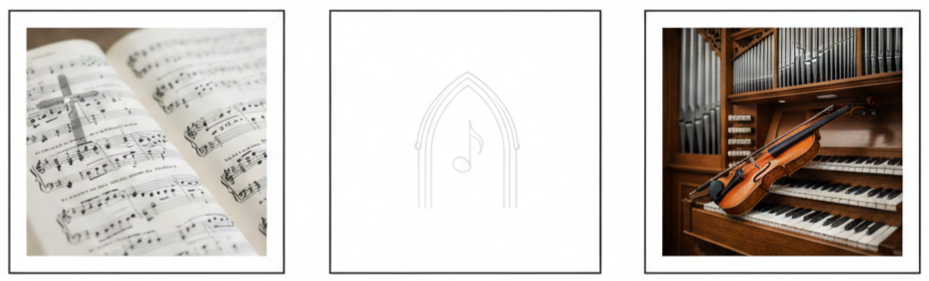
- Faith-Based Lyrics: Songs should reflect spiritual themes such as love, devotion, prayer, gratitude, and covenant, rather than purely romantic or secular messages.
- Denominational Guidelines: Some churches allow only hymns or approved worship songs, while others are more flexible with contemporary Christian music.
- Musical Style And Instruments: Organs, pianos, string ensembles, or acoustic guitars are commonly preferred because they suit church acoustics and maintain a reverent atmosphere.
When all these elements align, the music naturally supports the ceremony rather than distracting from it.
Where Songs Are Typically Played in a Church Wedding
Church wedding ceremonies follow a traditional structure, and music plays a role in guiding guests emotionally through each stage. Understanding where songs fit helps couples choose music that feels intentional and well-timed.
- Prelude: This music plays as guests arrive and take their seats. It is usually soft, instrumental, and calming to set a reflective mood.
- Processional: This marks the entrance of the wedding party and the bride. The music here is often more pronounced and ceremonial.
- Interlude Or Unity Ceremony: During moments like lighting a unity candle, communion, or prayer, a meaningful song adds depth without interrupting the flow.
- Congregational Hymns Or Worship Songs: Some ceremonies include songs that invite guests to sing along, reinforcing the communal and spiritual nature of the service.
- Recessional: Played as the couple exits the church, this music is joyful, celebratory, and uplifting.
- Postlude: Light background music as guests leave the church, helping transition from ceremony to celebration.
Each musical placement contributes to the overall experience and helps the ceremony feel cohesive.
Traditional Church Wedding Song Suggestions
Traditional church wedding songs remain popular because they are timeless, familiar, and deeply rooted in religious tradition. These pieces are widely accepted across denominations and suit the solemnity of a church setting.
- “Ave Maria” By Franz Schubert: A serene and prayerful piece often chosen for Catholic weddings, especially during communion or as a special solo.
- “Canon In D” By Johann Pachelbel: Frequently used for the bridal processional, this instrumental piece creates a graceful and elegant entrance.
- “Jesu, Joy Of Man’s Desiring” By J.S. Bach: Known for its gentle melody and spiritual tone, this song works well during the processional or interlude.
- “The Lord’s Prayer” By Albert Hay Malotte: A meaningful vocal piece that fits seamlessly into many church ceremonies.
- “Bridal Chorus (Here Comes The Bride)” By Richard Wagner: A traditional choice still used in many Protestant weddings for the bride’s entrance.
These selections are trusted choices for couples who want to honor tradition while keeping the focus on the sacred nature of the vows.
Contemporary Christian Song Ideas
For couples who want modern music without losing spiritual meaning, contemporary Christian songs provide heartfelt lyrics and accessible melodies. These songs blend worship and emotion in a way that feels personal yet appropriate for a church.
- “10,000 Reasons (Bless The Lord)” By Matt Redman: A popular worship song that works well as prelude music or during reflective moments.
- “Oceans (Where Feet May Fail)” By Hillsong UNITED: A song centered on trust and faith, often chosen for interludes or moments of prayer.
- “When God Made You” By Newsong Ft. Natalie Grant: A duet that celebrates divine intention in marriage, suitable for unity ceremonies.
- “How Beautiful” By Twila Paris: Frequently used during communion or special worship moments, especially in Catholic ceremonies.
- “Bless The Broken Road” By Rascal Flatts: While not strictly religious, its message of guidance and purpose resonates with many Christian couples and may be allowed in some churches.
These songs allow couples to express their faith in a more modern voice while respecting church traditions.
Gospel And Uplifting Worship Song Options
Gospel music brings warmth, joy, and emotional depth to a church wedding. It is especially meaningful in ceremonies that emphasize praise, celebration, and communal worship.
- “Total Praise” By Richard Smallwood: A powerful song often performed by choirs, ideal for special moments or the recessional.
- “For Every Mountain” By Kurt Carr: A reflective gospel song expressing gratitude and faith, suitable for solos.
- “Oh Happy Day” By Edwin Hawkins: A joyful and energetic option that creates an uplifting exit for the newly married couple.
- “I Found Love” By Bebe And Cece Winans: A modern gospel duet that fits well during unity ceremonies.
- “The Blessing” By Kari Jobe And Cody Carnes: A newer worship song frequently used as a musical blessing near the end of the ceremony.
These selections add emotional richness and celebratory energy while maintaining spiritual integrity.
Tips For Choosing The Right Songs
Selecting church wedding songs becomes easier when you approach it thoughtfully and practically. A few guiding steps help ensure your choices fit both the ceremony and the venue.
- Speak With The Church Music Director Early: This helps you understand song restrictions, available instruments, and timing requirements.
- Balance Tradition And Personal Taste: Mixing classic hymns with contemporary worship songs allows the ceremony to feel meaningful and personal.
- Match Music To Each Moment: Reflective songs work best during prayer or unity rituals, while upbeat pieces fit entrances and exits.
- Review Lyrics Carefully: Even beautiful melodies should be paired with lyrics that align with your faith and ceremony message.
- Schedule A Rehearsal: Practicing with musicians ensures smooth transitions and proper timing during the ceremony.
Taking these steps prevents stress and helps the ceremony flow naturally.
Live Music Vs. Recorded Tracks
Couples often decide between live musicians and recorded music based on budget, logistics, and personal preference. Each option offers distinct advantages.
- Live Music: Creates a warm, emotional atmosphere and adapts easily to the pace of the ceremony. Live performers add authenticity and presence.
- Recorded Music: Offers consistency, affordability, and easier coordination. It works well when live musicians are unavailable or limited.
Regardless of the choice, testing sound quality and timing beforehand ensures the music enhances rather than disrupts the ceremony.
Conclusion
Music is key to shaping a church wedding experience. Each song highlights a moment, enhances the spiritual atmosphere, and leaves a lasting impression. Choosing music that honors the sacred setting while reflecting personal faith and style creates a meaningful, memorable ceremony. Whether traditional, modern worship, or gospel-inspired, carefully selected songs add depth and harmony to one of life’s most significant moments.
Key Takeaway: Thoughtfully selected church wedding songs guide the emotional and spiritual flow of the ceremony, blending faith, tradition, and personal expression into a meaningful and lasting experience.
FAQs
Can instrumental versions of secular songs be used in church weddings?
Many churches allow instrumental-only versions of secular songs since they remove lyrical content. Approval still depends on the church’s guidelines.
Is it necessary to include congregational singing?
Congregational hymns are optional. Some couples prefer a more traditional service, while others choose only solo or instrumental music.
Can friends or family members perform music during the ceremony?
Yes, as long as the church approves and the performers rehearse in advance to maintain the ceremony’s flow.
How early should music selections be finalized?
Most churches recommend finalizing music at least one to two months before the wedding to allow proper planning and rehearsal.
What happens if a chosen song is not approved by the church?
If a song is declined, couples often use it during the reception or choose a similar alternative that meets church requirements.
Leave a Reply