Country Weddings
| Season | Key Features | Considerations | Suggestions |
| Spring | Mild weather, blooming flowers | Possible rain, soft ground | Light layers, backup tent |
| Summer | Long days, lush scenery | High heat, sun exposure | Shade, hydration stations |
| Fall | Cool temps, rich colors, harvest | Early sunsets, chilly evenings | Warm wraps, outdoor lighting |
| Winter | Quiet settings, indoor charm | Cold weather, limited daylight | Indoor venues, heating solutions |
Why Country Weddings Are So Magical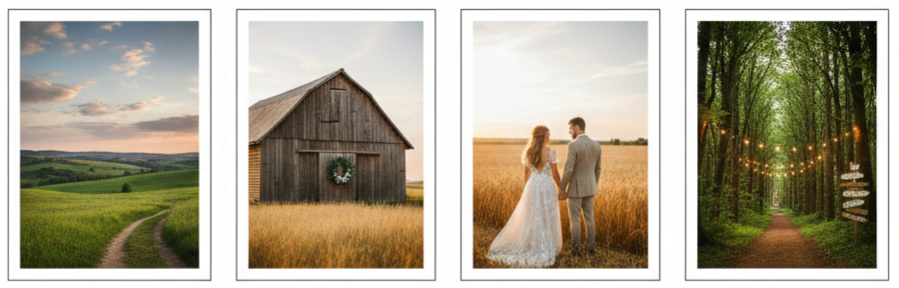
Country weddings feel different in the best possible way. They slow everything down and shift the focus back to what matters most. Wide-open land, fresh air, and natural surroundings create an atmosphere that feels warm, genuine, and welcoming. Instead of polished ballrooms and rigid timelines, couples get space to breathe, celebrate, and connect.
The countryside adds character without needing excess décor. Rolling hills, old barns, open fields, and tree-lined paths already do much of the work. That natural beauty creates a relaxed mood where guests feel comfortable and couples feel present. Country weddings also encourage meaningful details, from handwritten signs to shared meals that feel more like family gatherings than formal events.
How to Find the Right Country Venue
Choosing the right venue sets the foundation for the entire wedding experience. Country venues vary widely, so it’s important to understand what each type offers and how it fits your vision.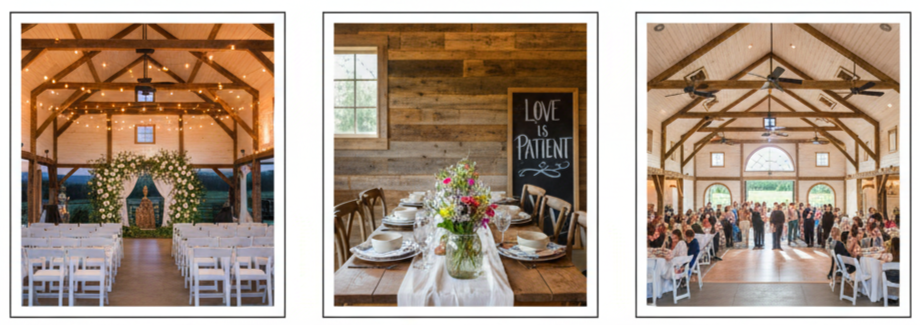
Barn Venues
These spaces offer rustic charm with exposed beams, wood textures, and plenty of character. Many barns are renovated to include lighting, flooring, and climate control, making them practical and beautiful.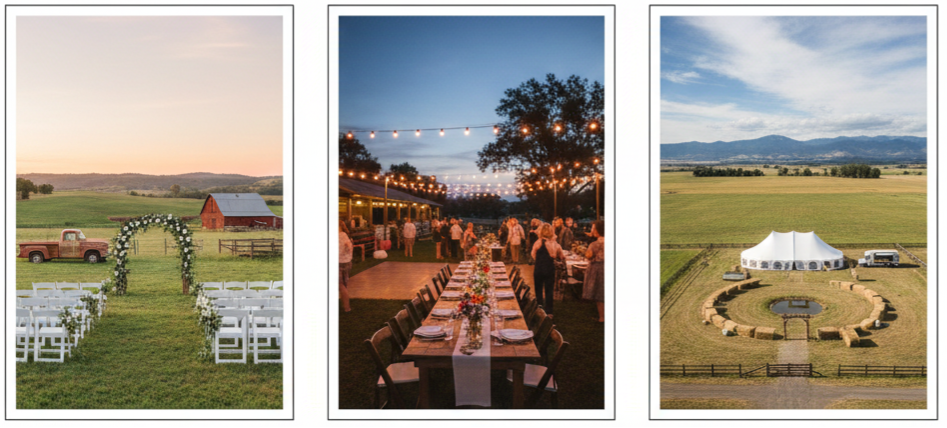
Farms and Ranches
Open land provides flexibility for large ceremonies, outdoor receptions, and creative layouts. These venues work well for couples who want a relaxed, spacious setting.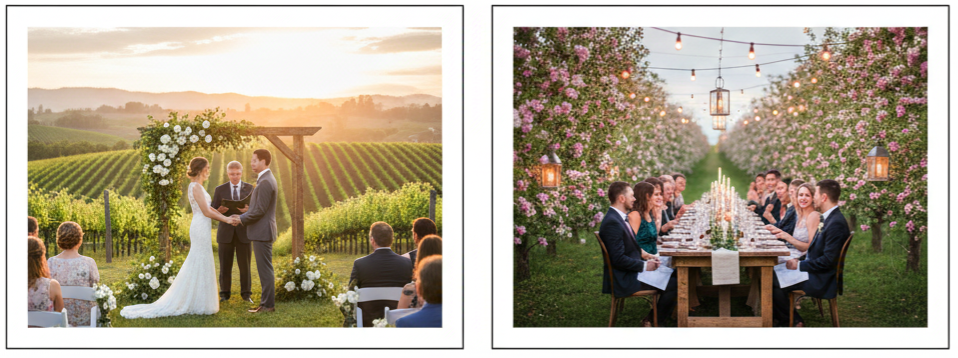
Vineyards and Orchards
These locations blend countryside charm with elegance. Scenic views and structured layouts make them ideal for refined country weddings.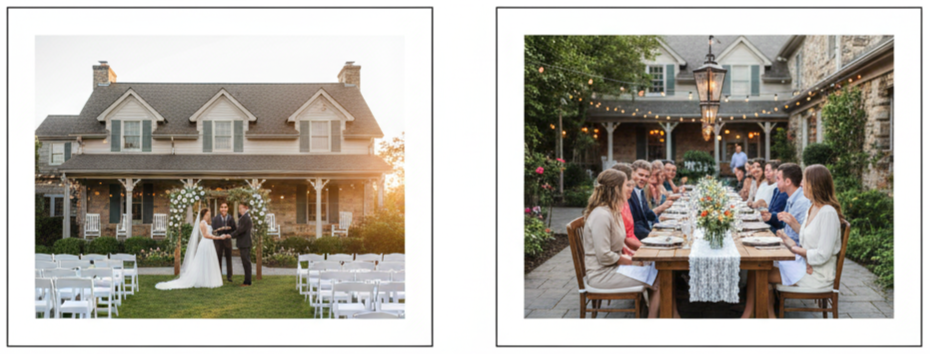
Countryside Inns
These venues offer intimacy and convenience. Guests can stay onsite, and the setting often includes gardens, porches, and historic details.
Before committing, visit the venue more than once and ask about accessibility, parking, restroom availability, electricity, and weather backup plans. A beautiful location works best when it also functions smoothly for guests and vendors.
Simple and Stylish Country Décor Ideas
Country wedding décor focuses on warmth, texture, and personality rather than perfection. The goal is to complement the surroundings, not compete with them.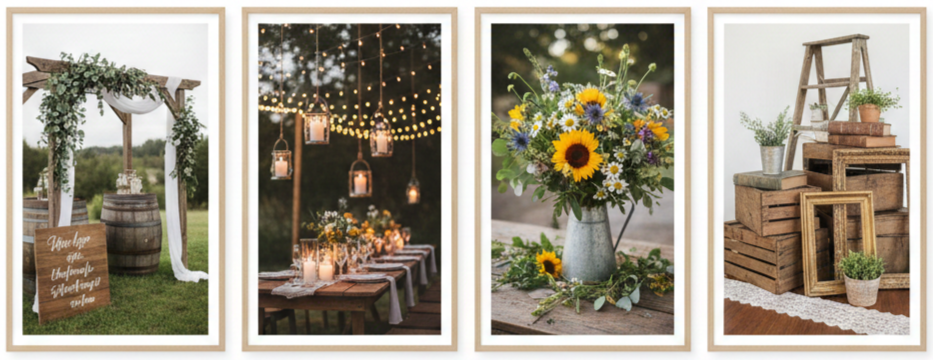
- Wood Accents: Handcrafted signs, ceremony arches, farm tables, and barrels add structure and rustic appeal.
- Soft Lighting: String lights, lanterns, candles, and chandeliers soften large spaces and create a cozy atmosphere after sunset.
- Natural Florals: Wildflowers, greenery, sunflowers, eucalyptus, and seasonal blooms feel organic and effortless.
- Vintage Details: Lace runners, old frames, crates, ladders, and antique furniture bring character and nostalgia.
DIY décor fits naturally into country weddings. Handmade centerpieces, personalized signage, and repurposed items allow couples to create a space that reflects their story while staying budget-conscious.
Planning the Ceremony and Reception Outdoors
Country weddings offer flexibility that traditional venues rarely provide. Couples can design ceremonies and receptions that feel personal and unstructured without losing flow.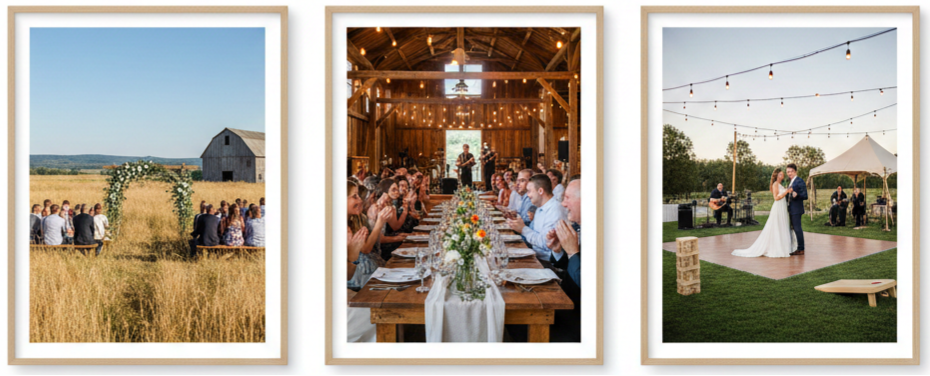
- Ceremony Locations: Open fields, beneath mature trees, beside lakes, or in front of barns create unforgettable backdrops. Minimal décor often works best, allowing nature to take center stage.
- Reception Layouts: Barn interiors, open tents, and outdoor dining areas allow for long tables, family-style meals, and relaxed seating arrangements.
- Entertainment Options: Acoustic musicians, folk bands, or curated playlists match the laid-back energy of a country setting. Outdoor dance floors and lawn games encourage guests to mingle and stay engaged.
Planning outdoor events requires flexibility. Always prepare for weather changes with tents, shade options, or indoor alternatives to keep the celebration comfortable.
What to Wear for a Country Wedding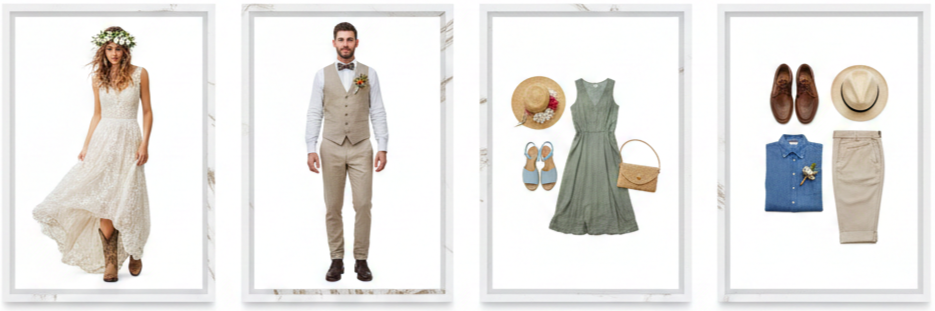
Country wedding attire balances comfort with style. The relaxed environment allows couples and guests to dress in ways that feel authentic rather than overly formal.
Brides often choose lace gowns, flowing silhouettes, or tea-length dresses that move easily. Cowboy boots, sandals, or flats replace traditional heels, making it easier to walk on grass or gravel. Floral crowns, loose hairstyles, and natural makeup complete the look.
Grooms typically opt for vests, suspenders, linen shirts, and relaxed suits in earthy tones. Ties are optional, and boots or leather shoes suit the setting well.
Guests should dress for both style and terrain. Lightweight fabrics, breathable materials, and practical footwear keep everyone comfortable throughout the day.
Serving Local Food and Farm-Fresh Flavors
Food plays a central role in country weddings, often reflecting the surrounding region and season. Farm-to-table menus feel natural and inviting, creating a shared experience around the table.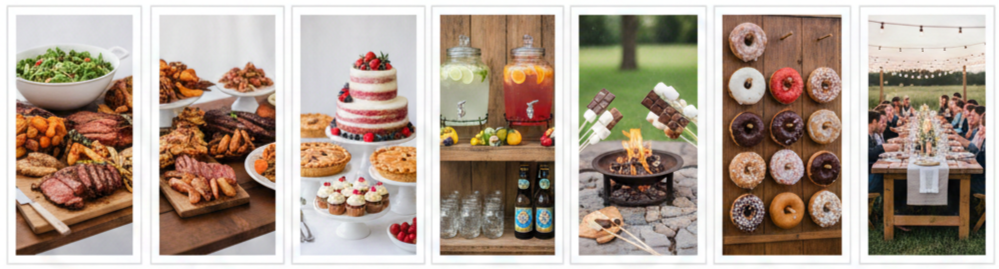
- Main Dishes: Smoked meats, roasted chicken, seasonal vegetables, fresh salads, and hearty sides suit the setting.
- Desserts: Fruit pies, cobblers, naked cakes, and cupcakes feel familiar and comforting.
- Drink Stations: Lemonade bars, sweet tea, signature cocktails in mason jars, and local craft beer add personality.
Interactive food stations, such as s’mores bars or doughnut walls, encourage guests to linger and enjoy the evening at their own pace.
Handling Transportation and Guest Stays
Country venues often sit away from city centers, so transportation and lodging need thoughtful planning.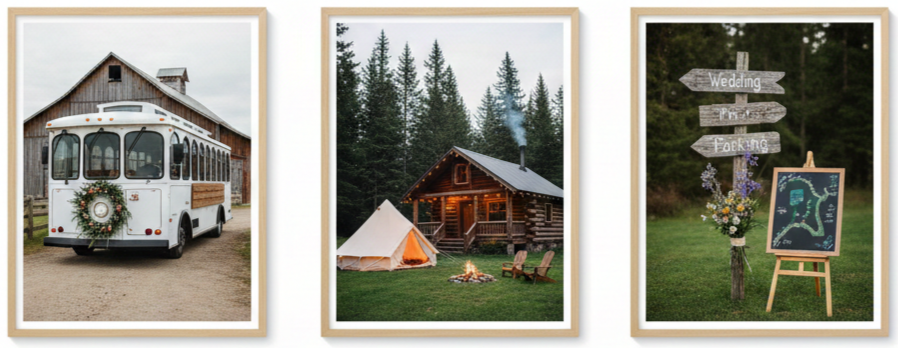
- Transportation Options: Shuttle buses, vans, or arranged carpools reduce confusion and parking issues. Creative options like hayrides or vintage vehicles add charm for short distances.
- Accommodation Ideas: Nearby inns, cabins, lodges, and vacation rentals offer guests comfortable overnight stays. Some venues allow onsite camping or glamping for a memorable experience.
Clear directions, parking instructions, and lodging recommendations should be shared well in advance to ensure guests arrive relaxed and prepared.
Capturing the Country Wedding Vibe in Photos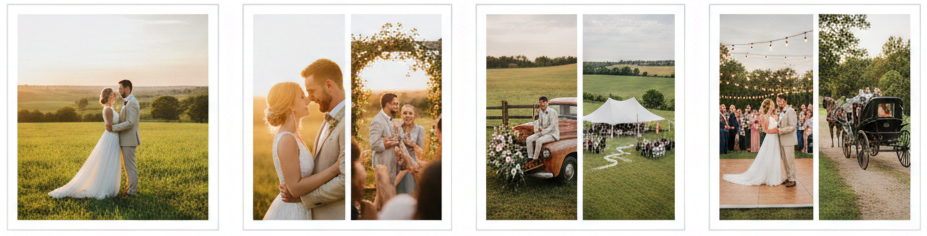
The countryside offers endless opportunities for meaningful photos. Natural light, open landscapes, and textured backdrops elevate every image.
Photographers experienced with outdoor settings know how to work with changing light and weather. Golden hour portraits provide warm tones and soft shadows, while candid shots capture genuine moments between the couple and their guests.
Props like old trucks, fences, swings, or horses add charm without looking staged. Drone shots work great in rural areas, showing off the space and scenery.
Budgeting Smart for a Country Wedding
Country weddings can be cost-effective, though planning carefully is still essential. The open nature of rural venues allows flexibility, but it may require additional rentals.
- Cost-Saving Strategies: DIY décor, seasonal flowers, local vendors, and flexible layouts reduce expenses.
- Common Added Costs: Tent rentals, portable restrooms, lighting, generators, and transportation should be factored into the budget early.
Building a clear budget with room for unexpected needs helps couples stay in control while still enjoying the planning process.
Important Etiquette and Practical Tips
Respecting the land and keeping guests informed ensures a smooth experience for everyone involved.
- Guest Communication: Share details about terrain, footwear, weather expectations, and amenities ahead of time.
- Property Respect: Follow venue rules, protect natural areas, and clean up thoroughly after the event.
- Weather Preparedness: Provide blankets, fans, shade, or umbrellas depending on the season.
Thoughtful planning creates a relaxed environment where guests feel cared for and comfortable.
Conclusion
Country weddings offer a refreshing approach to celebrating love. They combine natural beauty, relaxed traditions, and meaningful details into an experience that feels authentic and memorable. From choosing the right venue to planning guest comfort, every element works together to create a celebration rooted in connection rather than formality.
Key takeaway: Country weddings succeed when simplicity, nature, and personal touches lead the planning process, allowing couples and guests to fully enjoy the moment.
FAQs
What season works best for country weddings?
Spring and fall are favorites for their mild weather and beautiful scenery. Summer weddings need shade and hydration planning, while winter celebrations do best indoors, like in barns or lodges.
Can a country wedding work for a large guest list?
Yes, many farms and ranches accommodate large gatherings. Open land allows flexible layouts, though logistics like parking and restrooms should scale with the guest count.
Are country weddings suitable for formal themes?
Country weddings can still feel elegant. Pairing natural settings with refined décor, structured seating, and curated menus creates a polished yet relaxed atmosphere.
How early should a country venue be booked?
Popular rural venues often book 12 to 18 months in advance, especially during peak seasons. Early booking allows more flexibility with vendors and dates.
Do country weddings require special permits?
Some locations require permits for noise, alcohol service, or large gatherings. Always confirm local regulations and venue requirements during planning.
Leave a Reply