Different Wedding Vows
| Vow Type | Key Features |
| Traditional | Formal, faith-based, structured wording |
| Personalized | Unique, emotional, based on couple’s story |
| Modern | Conversational, creative, non-traditional |
| Cultural/Regional | Reflects heritage, includes symbolic rituals |
| LGBTQ+ Inclusive | Gender-neutral, identity-affirming, authentic |
| Funny/Lighthearted | Humorous, playful, still sincere |
| Vow Renewal | Reflects shared history, recommitment-focused |
Traditional Wedding Vows Across Cultures
Traditional vows carry deep roots in religion and culture. They’re timeless, familiar, and hold strong emotional value for couples who want a more classic ceremony.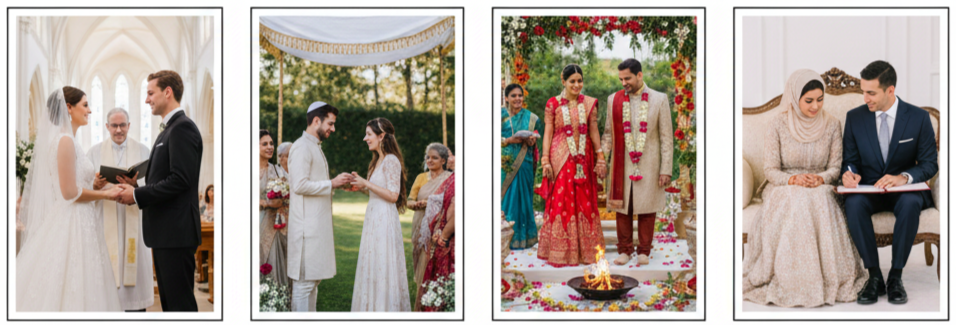
- Christian vows: These are usually formal and structured, with lines like “To have and to hold, from this day forward, for better or worse…” Catholic weddings often follow a required version, while Protestant ones might allow minor changes.
- Jewish vows: In some ceremonies, exchanging rings under the chuppah acts as the vow, often with the line: “Behold, you are consecrated to me with this ring according to the laws of Moses and Israel.”
- Hindu vows: The couple walks around a sacred fire in seven steps (Saptapadi), each representing a specific vow related to love, strength, prosperity, and unity. These are recited in Sanskrit and rooted in spiritual symbolism.
- Islamic vows: The Nikah ceremony includes readings from the Quran and a mutual agreement from both partners. Vows are more contractual in nature, but couples often include personal messages or blessings afterward.
Personalized Wedding Vows That Tell Your Story
Writing your own vows gives you the freedom to make them feel personal and meaningful. They reflect your journey and set the tone for the kind of partnership you’re committing to.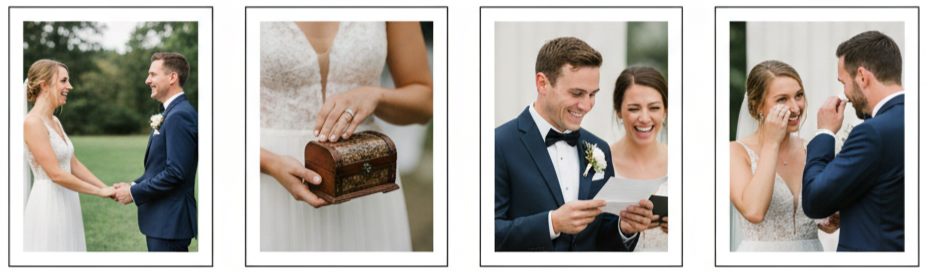
- Specific memories: Couples often include stories about how they met, favorite memories, or moments that made them fall in love.
- Unique promises: From “I’ll always walk the dog in the rain” to “I promise to support your career goals,” these vows are tailored to your life.
- Tone and voice: Whether poetic, emotional, funny, or straightforward, personalized vows should sound like you.
Example vow: “I promise to be your biggest fan and your partner in crime. I’ll support your dreams, make you laugh when you need it, and choose you every single day.”
Modern and Non-Traditional Vows for Unique Couples
Modern couples often want their vows to break free from tradition and speak directly to who they are—honest, fun, and completely original.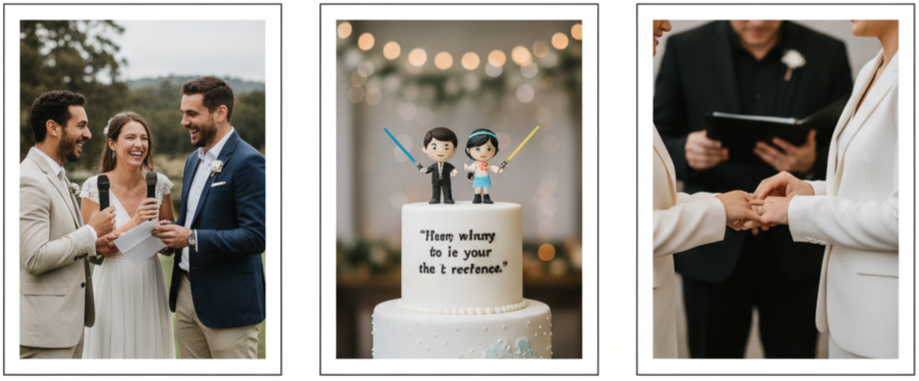
- Conversational tone: These vows sound more like a heartfelt letter than a formal statement.
- Creative references: You might hear about shared hobbies, favorite shows, or inside jokes.
- Inclusive wording: Many couples avoid gendered language or traditional roles altogether.
Example vow: “I vow to always watch terrible reality TV with you, even when I pretend I hate it. I promise to laugh with you, cry with you, and order pizza when we can’t decide what to cook.”
Cultural and Regional Wedding Vow Variations
Cultural backgrounds influence how vows are expressed, and many couples proudly include traditions from their heritage.
- Filipino weddings: Vows often blend English and Tagalog and may be paired with traditional practices like unity candles and the coin ceremony. The family-centered value of pamamanhikan adds emotional weight.
- Irish ceremonies: Known for poetic vows and spiritual overtones, some couples include nature-inspired language or symbolic rituals like handfasting, where hands are tied together during the vow exchange.
- African traditions: Vows may be spoken, sung, or celebrated through dance. Shared rituals like the breaking of the kola nut or wearing traditional attire add symbolic meaning.
LGBTQ+ Inclusive Wedding Vows That Reflect Equality
LGBTQ+ couples often reshape traditional vows to reflect authenticity and mutual respect. The focus is on equality, identity, and connection.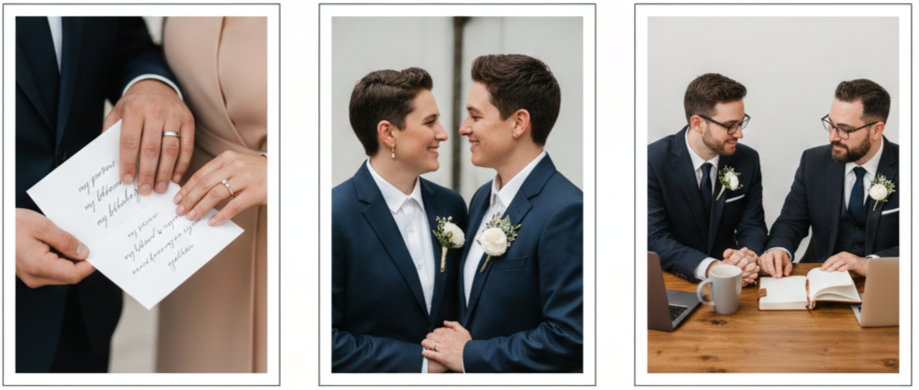
- Gender-neutral language: Words like “partner” or “spouse” replace “husband” and “wife” to remove gender expectations.
- Emphasis on identity: Vows may recognize each partner’s unique self, journey, and personal growth.
- Shared commitment: Equality and support are central, often emphasizing partnership in everyday life.
Example vow: “I choose you, exactly as you are. I promise to support your truth, respect your journey, and love you deeply, every step of the way.”
Funny or Lighthearted Vows That Still Mean Everything
Some couples bring humor into their vows to reflect their personalities. Lighthearted vows can be touching while still making everyone laugh.
- Relatable humor: These vows might joke about chores, quirks, or daily habits.
- Balance of love and laughter: Even the funniest vows still hold serious promises behind the jokes.
Example vow: “I promise to unclog the shower drain, even though you’re the only one with long hair. I vow to always let you have the last slice of pizza—most of the time.”
Renewal of Wedding Vows: A Celebration of Time
Renewing vows is a meaningful way to reflect on how far you’ve come and recommit for the future. It’s usually less formal but just as heartfelt.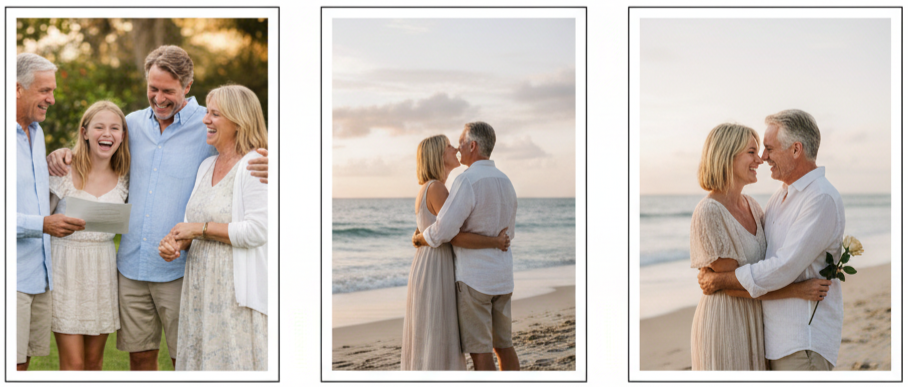
- Celebration of growth: Couples highlight shared challenges and wins throughout the years.
- Future vision: Vows may include promises for the next chapter of their lives together.
- More relaxed tone: Unlike wedding day vows, these feel more grounded in experience and understanding.
Example vow: “After all these years, I still choose you. I’ve watched you grow, we’ve faced storms and sunshine, and I promise to keep standing by your side.”
Tips for Delivering Your Vows With Confidence
Once your vows are written, it’s time to think about how you’ll say them. Delivery matters, especially when emotions run high.
- Practice aloud: Read your vows out loud multiple times to get comfortable and find the right rhythm.
- Use cue cards: Reading is totally okay. Neatly written cards keep you on track.
- Take your time: Don’t rush. Pause when needed, and breathe between thoughts.
- Share copies: Give a backup copy to your officiant or someone in the wedding party just in case.
- Look at your partner: Stay focused on the person you’re marrying—it helps calm nerves and keeps you grounded.
Conclusion
Wedding vows are more than just a formality—they’re the heart of your ceremony. Whether you choose traditional words, write your own, or go the humorous route, your vows should feel true to your story. They’re a chance to express your love, your commitment, and your vision for life ahead. Speak from the heart, honor your journey, and say what truly matters to you both.
Key Takeaway: Your wedding vows don’t need to fit any mold. Whether rooted in tradition or filled with personal flair, the best vows are the ones that reflect your love exactly as it is. Say what feels real, and you’ll never go wrong.
FAQs
What’s the best length for wedding vows?
Aim for 150 to 250 words, which is usually about one to two minutes when read aloud. This gives you enough space to be personal without going too long.
Can we mix traditional and personal vows in one ceremony?
Yes, many couples blend both. You can say traditional lines during the official part, then follow with your own personal promises during a separate moment.
Is it okay to read vows instead of memorizing them?
Absolutely. Most couples read their vows—it eases nerves and helps you focus on the message instead of memorizing every word.
Can we exchange vows in private before the ceremony?
Absolutely. Some couples choose to say their personal vows privately before the ceremony and use traditional ones during the public ceremony.
Should we match the length or tone of our vows?
It’s not required, but discussing general length and style in advance helps create a balanced moment during the ceremony.
Leave a Reply