Fabulous Ideas For Beach Wedding
| Feature | Public Beach | Private Beach |
| Cost | Lower or free | Higher (venue rental fees) |
| Privacy | Limited (open to public) | Exclusive access |
| Permit Required | Usually yes | Often included with venue |
| Customization | Limited by local rules | Flexible setup and decor |
| Guest Convenience | May lack amenities | Better facilities and parking |
| Availability | First-come, first-served or scheduled | Reserved in advance |
| Support Staff | Not provided | Often includes event staff |
Choosing the Right Beach Spot
Picking the right beach sets the tone for the entire wedding day. The setting affects everything from guest comfort to how smoothly the event runs, so this step deserves careful thought.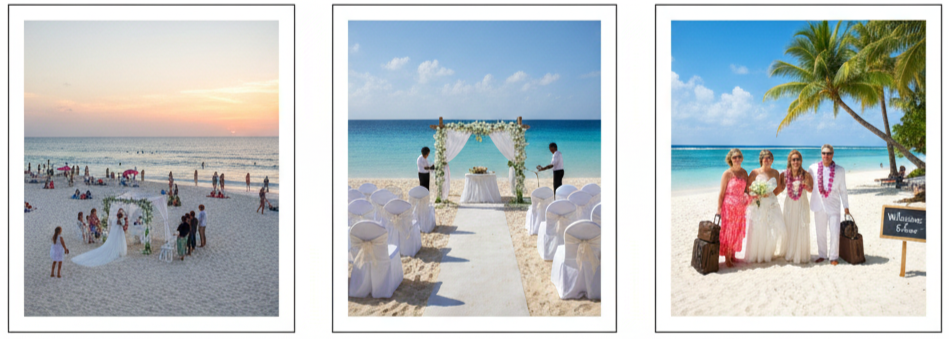
- Public Beaches: These locations are usually more budget-friendly and offer stunning natural views. They often require permits and come with restrictions on timing, sound, and alcohol, so planning ahead is essential. Choosing early mornings or sunset hours helps avoid crowds.
- Private Beaches: Resorts, beachfront venues, or rental properties provide privacy and flexibility. These options usually simplify logistics because they already accommodate events and may include staff support.
- Destination Beaches: Traveling for a beach wedding adds excitement but also requires more coordination. Guests need clear travel details, nearby lodging options, and advance notice. Local marriage laws and documentation should be reviewed well in advance.
Decor That Matches the Ocean Vibe
Beach decor works best when it feels effortless and blends naturally with the surroundings. Instead of heavy decorations, simple coastal elements create a polished look without overwhelming the scenery.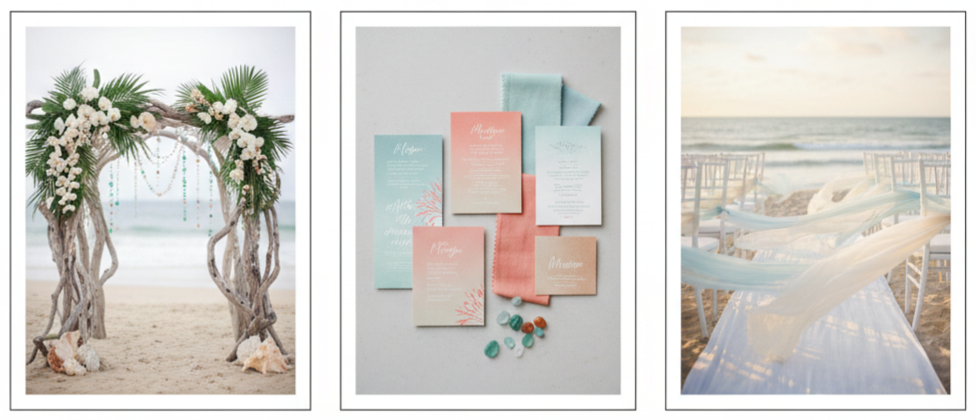
- Natural Elements: Driftwood arches, sea glass accents, shells, and tropical greenery add texture while staying true to the beach setting. These pieces complement the sand and water rather than competing with them.
- Color Palettes: Soft blues, sandy neutrals, coral, peach, and blush tones reflect the coastline beautifully. These colors photograph well and stay timeless.
- Furniture and Fabrics: Lightweight chairs, airy linens, and flowing fabrics handle ocean breezes better than heavy materials and keep the setup comfortable.
What to Wear for a Wedding by the Water
Beach wedding attire should balance style with practicality. Comfort plays a big role since sand, wind, and heat are part of the experience.
- Bridal Style: Lightweight gowns made from chiffon, tulle, or organza allow easy movement and photograph beautifully in the breeze. Shorter hems or simple trains prevent dragging in the sand.
- Groom Attire: Linen suits, relaxed button-down shirts, and light-colored trousers keep things cool and polished. Many grooms skip ties for a more laid-back look.
- Footwear Choices: Barefoot ceremonies are common, though sandals, espadrilles, or barefoot sandals offer a bit of protection while staying on theme.
- Hair and Makeup: Natural styles hold up best. Wind-friendly hairstyles and waterproof makeup help everything stay in place throughout the day.
Setting Up the Ceremony Space
The ceremony setup should frame the ocean, not block it. Simple designs keep the focus on the couple and the surroundings.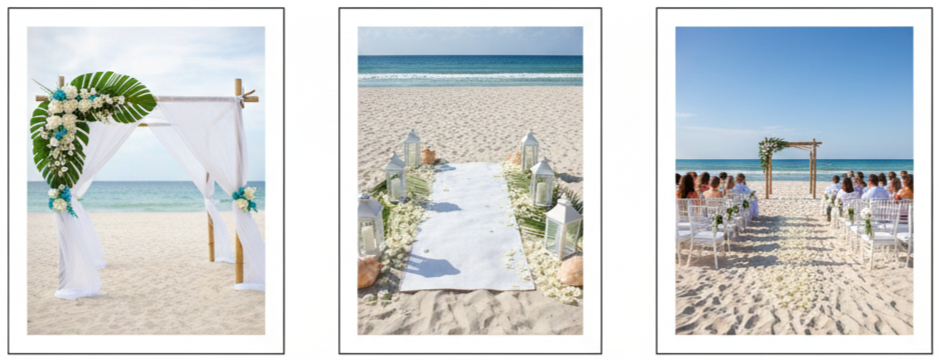
- Ceremony Arches: Bamboo frames, floral circles, or fabric-draped structures provide a focal point without overpowering the view. Some couples choose no arch at all, letting the horizon speak for itself.
- Aisle Details: Petals, palm leaves, lanterns, or shells gently define the aisle. Woven rugs also add comfort underfoot while enhancing the look.
- Seating Arrangements: Semi-circle or curved seating creates a more intimate feel and ensures guests have clear sightlines.
Laid-Back Ideas for Your Beach Reception
Beach receptions shine when they feel relaxed and inviting. Comfort and flow matter more than formality in this setting.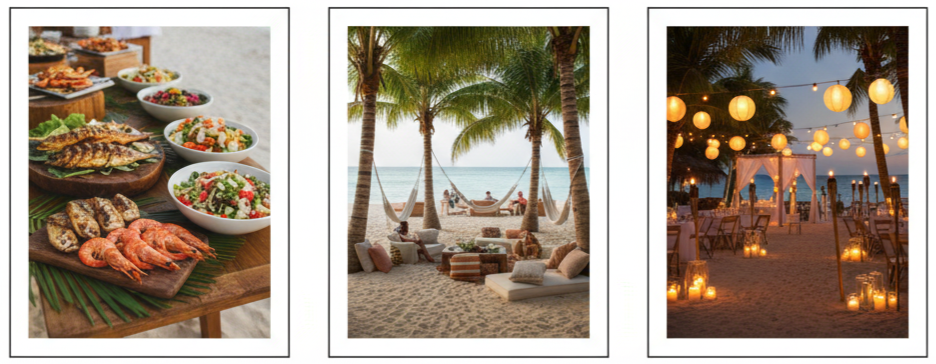
- Dining Style: Buffet setups, seafood stations, grilled favorites, or food trucks fit naturally with a beach vibe. These options keep things casual and allow guests to mingle.
- Seating Options: Picnic tables, lounge furniture, floor cushions, and hammocks create a cozy atmosphere. Mixing seating styles adds visual interest and flexibility.
- Evening Lighting: String lights, lanterns, tiki torches, and candles transform the space after sunset and create a warm, welcoming glow.
Entertainment That Keeps the Vibe Going
Music and activities should match the relaxed energy of the beach while keeping guests engaged.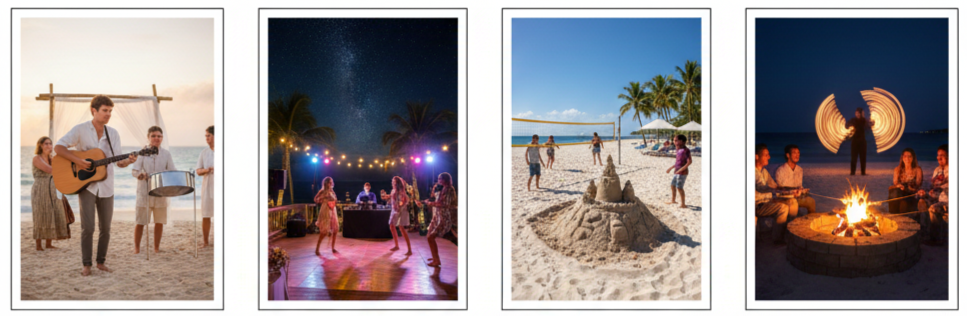
- Live Music: Acoustic guitarists, steel drum bands, or ukulele players enhance the coastal mood without overpowering conversations.
- Dancing Options: A DJ with a beach-inspired playlist works well once the sun sets and the celebration shifts into party mode.
- Guest Activities: Paddleball, beach volleyball, and sandcastle competitions add fun during cocktail hour and keep guests entertained.
- Evening Extras: Fire pits with s’mores, glow games, or approved fire performances create memorable nighttime moments.
Sweet and Practical Beach Wedding Favors
Beach wedding favors are most appreciated when they’re useful and thoughtful.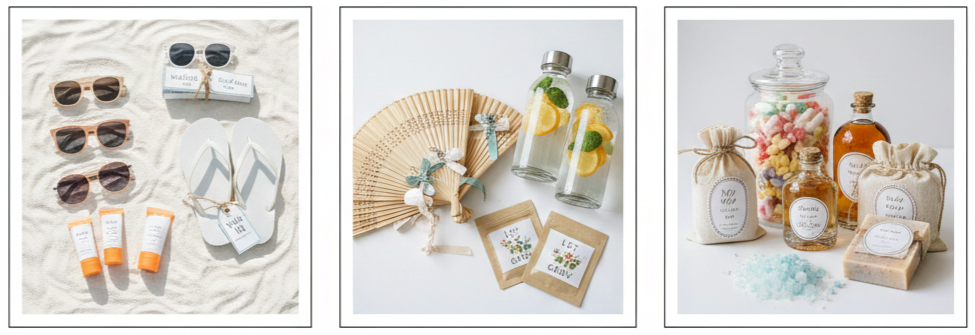
- Personalized Items: Sunglasses, flip-flops, beach towels, or sunscreen bottles double as keepsakes and essentials.
- Eco-Friendly Choices: Bamboo fans, reusable water bottles, or seed packets align with the natural setting and reduce waste.
- Local Treats: Saltwater taffy, small bottles of local spirits, or handmade soaps add a personal, location-based touch.
Getting the Best Wedding Photos on the Beach
Beach photography requires smart timing and an experienced photographer who understands outdoor conditions.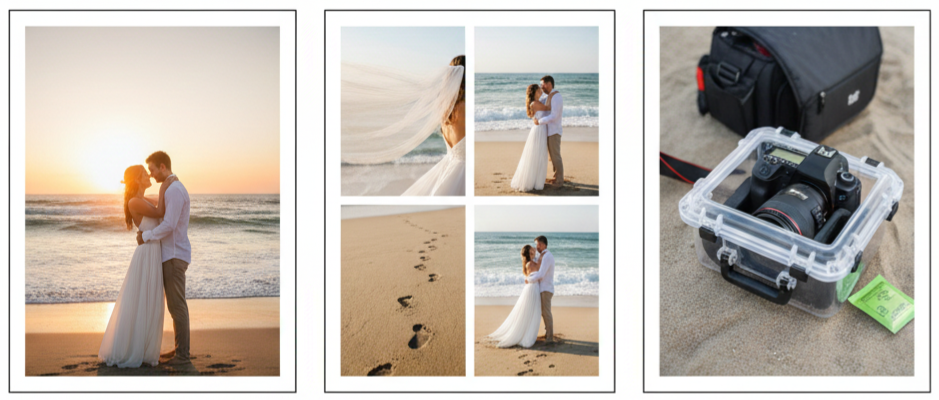
- Lighting Timing: Golden hour offers soft, flattering light that enhances skin tones and scenery. Midday sun can be harsh and is best avoided for portraits.
- Iconic Shots: Footprints in the sand, waves in the background, flowing veils, and candid laughter capture the spirit of the day naturally.
- Equipment Protection: Sand and moisture can damage gear, so photographers should be prepared with protective equipment and backups.
Planning Ahead for a Smooth Day
Outdoor weddings come with extra considerations, and preparation makes all the difference.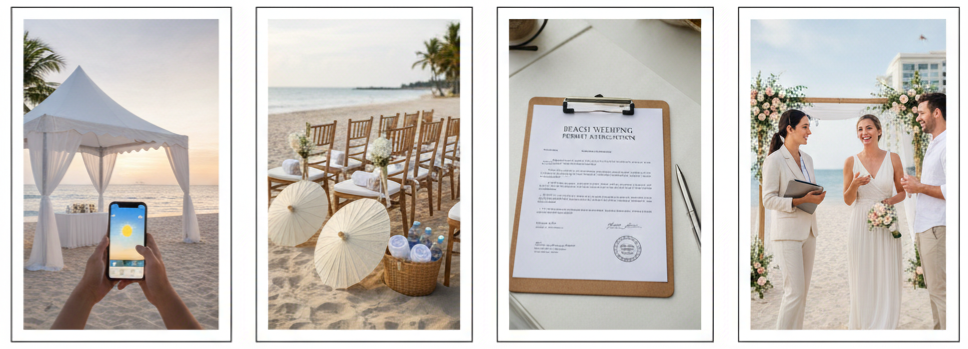
- Weather Planning: Monitor forecasts and tide schedules closely. A backup plan such as a tented area or nearby indoor space provides peace of mind.
- Guest Comfort: Provide shaded seating, cold water, hand fans, towels, or parasols to help guests stay comfortable throughout the event.
- Permits and Rules: Secure all required permits early. Local rules may affect sound levels, alcohol service, decorations, or open flames.
- Professional Support: Coordinators with beach wedding experience handle details smoothly and anticipate challenges before they arise.
Conclusion
A beach wedding combines natural beauty with a relaxed, personal vibe. Careful planning lets the ocean setting shine while keeping guests comfortable. Whether it’s an intimate gathering or a bigger celebration, the right touches make the shoreline a stunning backdrop for your special day.
Key Takeaway: A successful beach wedding focuses on simplicity, comfort, and harmony with the surroundings. When thoughtful planning meets natural beauty, the result feels effortless, memorable, and deeply personal.
FAQs
What should guests wear to a beach wedding?
Guests should choose breathable fabrics like cotton or linen and avoid heavy materials. Flat sandals or barefoot options work best on sand.
Can a beach wedding work with a limited budget?
Yes, beach weddings can be cost-effective. Minimal decor, natural lighting, and flexible dining options help keep expenses manageable.
Is sound equipment necessary for beach ceremonies?
Yes, wind and waves can make voices difficult to hear. A microphone and small speaker system ensure everyone hears the ceremony clearly.
How can privacy be maintained on a public beach?
Scheduling during off-peak hours and using decor elements like floral arrangements or fabric screens helps define a private space.
Is special insurance required for beach weddings?
Some locations require event or liability insurance, especially on public beaches or when renting equipment. Local authorities or venues can confirm requirements.
Leave a Reply