Feed
| Feed Type | Primary Purpose | What It Delivers | Common Examples |
| Social Media Feed | Surface engaging content | Posts, videos, ads | Facebook, Instagram, TikTok |
| RSS/News Feed | Deliver subscribed updates | Headlines, new articles | RSS, Feedly, publisher feeds |
| Algorithmic Feed | Personalize recommendations | Videos, shows, music | YouTube, Netflix, Spotify |
| Real-Time Data Feed | Stream live operational data | Prices, inventory, weather | Stock tickers, product feeds, weather APIs |
| Livestock Feed | Support animal nutrition | Rations, supplements | Forage, grains, silage, premix |
What Is a Feed, Really?
A feed shows up in more places than most people realize. We see it every time we open a social app, check the news, shop online, or look at a weather update. In the simplest sense, a feed means a steady stream of something delivered to us, either content, data, or nutrition. The meaning changes depending on the industry, yet the core idea stays the same: a feed keeps information or resources flowing in an organized, repeatable way.
Feeds started as a plain word tied to feeding animals. Over time, technology borrowed the term to describe how updates move from a source to a user. Early internet tools like RSS helped people “subscribe” to website updates without checking each site manually. That same logic now powers modern content experiences, where platforms continuously refresh what we see. Whether we talk about a social media feed, a news feed, a product feed, or livestock feed, we’re talking about a system that delivers a stream based on rules, timing, and purpose.
Types of Feeds and How They Work
Feeds come in several forms, and each one runs on a different structure. Some feeds rely on algorithms that learn behavior. Others follow a clean subscription model. Some feeds deliver data for business systems. Others deliver nutrition for animals. The important part is that each feed type exists to solve a delivery problem: getting the right stream to the right place at the right time.
Social Media Feeds
Social feeds are the endless scrolls on platforms like Facebook, Instagram, and TikTok. Instead of showing everything in perfect time order, these feeds usually rank posts based on your actions. Likes, comments, shares, saves, profile visits, and watch time all shape what appears next. Facebook tends to mix updates from friends, groups, followed pages, and ads. Instagram combines posts, short videos, and recommendations based on engagement patterns. TikTok’s “For You” experience pushes highly personalized videos by measuring how long we watch, whether we rewatch, and how quickly we scroll away.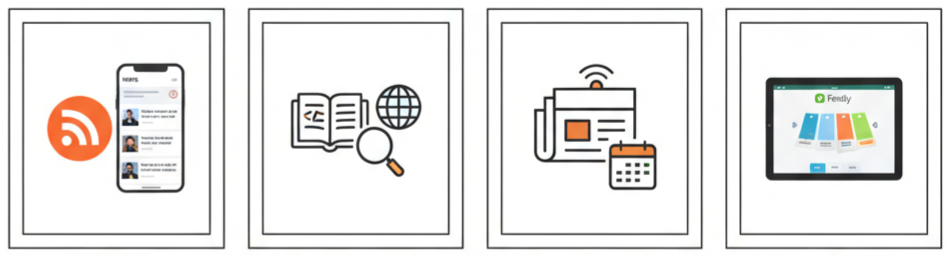
RSS And News Feeds
RSS feeds provide a cleaner approach. We subscribe to a website’s updates, then a feed reader collects new posts in one place. This format works well for people who want control and fewer distractions. News sites, blogs, and organizations use RSS to distribute updates in a standardized structure, which makes it easy for tools like Feedly to display new items the moment they publish.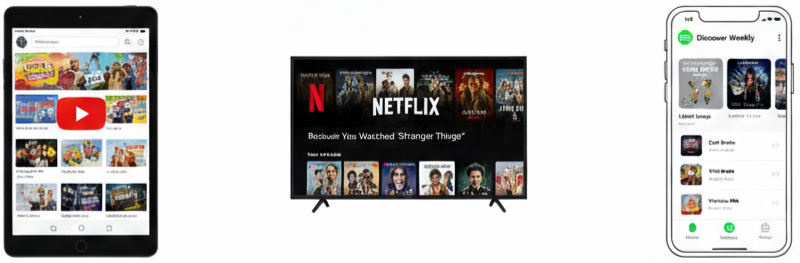
Algorithm-Based Feeds
Many entertainment platforms run on recommendation feeds. YouTube suggests videos based on viewing history, topic interest, and session behavior. Netflix and similar streaming services recommend shows based on what we watch, what we finish, what we abandon, and what similar viewers prefer. Spotify builds listening feeds through playlists and discovery features that react to skips, repeats, and favorite genres. These feeds aim to reduce decision fatigue by placing “next best” options directly in front of us.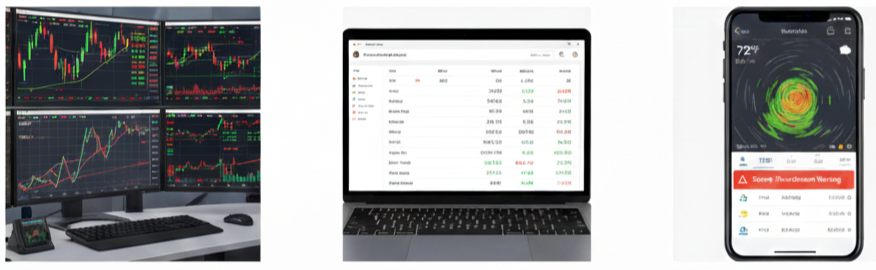
Real-Time Data Feeds
Data feeds drive industries where timing and accuracy matter. Stock and trading systems stream prices, volumes, and market changes in seconds. E-commerce product systems use data feeds to sync inventory, pricing, and availability across platforms. Weather services rely on data feeds that refresh readings, forecasts, and alerts. These feeds require strong reliability because small delays or errors can lead to missed opportunities, wrong decisions, or poor customer experiences.
How Feeds Show Up in Everyday Life
Feeds influence what we notice, what we learn, and what we buy. Even when we don’t think about it, feeds guide daily decisions by shaping what appears in front of us first. A social media feed can set our mood for the day, a news feed can shape what we believe is important, and a shopping feed can change what we consider “in stock” or “on sale.” On the physical side, animal feed affects the quality and stability of food production, which impacts availability and pricing across markets.
We also rely on feeds for convenience. A streaming feed reduces the time we spend searching for something to watch. A product feed ensures we don’t buy something that is actually out of stock. A weather feed helps us plan commutes and trips. Feeds are not just a tech feature. They are a delivery system that shapes routines.
The Tech That Makes Feeds Happen
A feed may look simple on the surface, yet most modern feeds run on complex systems. Some feeds depend on artificial intelligence. Some rely on syndication formats like RSS. Some depend on high-performance data pipelines that push updates instantly. The type of technology depends on the feed’s purpose.
- AI And Machine Learning: Many digital feeds use machine learning to predict what content we’ll engage with. These systems measure behavior signals such as clicks, scroll speed, time spent viewing, repeat views, and interactions. They also analyze what content contains by scanning titles, captions, topics, and even patterns in comments. Collaborative filtering plays a big role as well, where the system compares one user’s behavior with another’s to suggest content that “similar users” consumed.
- Syndication And Automation: RSS and related formats use structured data so tools can pull updates without manual browsing. That structure allows blogs, news sites, and organizations to distribute new content automatically. In business settings, syndication also supports content workflows, where websites, newsletters, and internal dashboards pull from the same feed source to stay consistent.
- Real-Time Infrastructure: Live data feeds rely on technology designed for speed and scale. APIs allow systems to request and exchange data. Webhooks push updates instantly when something changes, rather than waiting for repeated checks. Caching reduces load during spikes by storing frequently requested data for quick access. Queuing systems help manage traffic surges by lining up updates in a controlled flow. These pieces work together so the feed stays fast, accurate, and stable.
Ethical Issues and Real-World Challenges
Feeds solve delivery problems, yet they also create challenges. Personalization can narrow what we see. Data collection can raise privacy concerns. Agricultural feed production can strain natural resources. Every feed system carries tradeoffs, which is why responsible design and careful use matter.
- Filter Bubbles And Digital Blind Spots: Personalized content feeds can trap users in a narrow loop. When a platform keeps showing similar viewpoints, users may stop encountering new ideas. That effect can reinforce bias and create echo chambers. On social platforms, engagement-driven ranking can also reward sensational content, which may spread misinformation faster than factual updates, especially when the content triggers strong reactions and earns rapid shares.
- Data And Privacy Concerns: Personalization depends on tracking. Platforms can collect browsing habits, engagement behavior, device information, and sometimes location signals. Over time, those data points build a detailed profile. Some people accept this exchange for convenience, while others want clearer boundaries and stronger transparency. Regulations like GDPR and CCPA reflect the growing demand for user rights, though enforcement and platform practices still vary widely.
- Sustainability In Animal Feeds: Feed production for livestock connects to environmental concerns. Large-scale cultivation of feed crops can contribute to land use changes and ecosystem damage. Some practices also raise concerns around antibiotic use and long-term resistance. Livestock farming contributes to greenhouse gas emissions, which pushes the industry to explore feed options that support productivity with lower environmental impact.
What’s Coming Next for Feeds
Feed systems will keep evolving because demand keeps growing. We want faster information, better personalization, fewer distractions, and more control. In agriculture, the pressure to produce responsibly continues to rise. In cities and workplaces, real-time data feeds keep expanding as connected devices become more common.
- Better, Smarter Algorithms: Platforms are moving toward feeds that offer more control and clarity. More tools now allow users to hide topics, reduce certain recommendations, or reset their personalization signals. We also see broader work on reducing harmful amplification and improving transparency around why a piece of content appears in a feed.
- Eco-Friendly Livestock Feed: Alternative feed sources are becoming more practical. Insect-based protein offers high nutrient density with reduced land use. Algae-based supplements are being studied for nutritional benefits and potential environmental advantages. Fermented and lab-developed options also continue to develop as the industry looks for stable, scalable alternatives.
- Connected Devices And Smart Data: IoT is turning feeds into real-time decision systems. Smart farms can use sensors to monitor animal health and adjust feeding schedules based on activity and growth signals. Smart cities use data feeds to update traffic patterns, pollution levels, and safety alerts. Wearable devices generate health-related feeds that track movement, recovery, and daily metrics. Feeds are becoming less about scrolling and more about continuous monitoring and response.
Conclusion
Feeds may look like a simple stream, yet they shape how we live online and offline. Digital feeds guide what we watch, read, and buy by ranking content and updating it constantly. Data feeds keep business systems accurate and timely, from product availability to market pricing and weather alerts. Agricultural feeds support livestock health and influence food quality across the supply chain. When we understand how feeds work, we become better at managing attention, evaluating information, and reFeeds shape everyday life by constantly delivering content, data, or nutrition. Knowing how each feed works helps us make smarter choices about what we consume, stay informed, and respond to the systems that decide what appears in front of us.cognizing the systems that influence daily decisions.
Key Takeaway: Feeds shape daily life by delivering content, data, or nutrition. Understanding them helps us consume wisely, stay informed, and navigate what we see.
FAQs
What’s the difference between an RSS feed and a social media feed?
RSS delivers updates from sources we choose in a structured, subscription-based format. Social media feeds rely on ranking systems that decide what to show based on engagement signals, recommendations, and platform goals.
Do feeds always update in real time?
Some feeds update instantly, especially financial and operational data feeds. Others update based on publishing schedules or refresh intervals, such as RSS feeds or curated content feeds.
Why do recommendation feeds sometimes feel repetitive?
Recommendation engines tend to repeat themes that earned engagement in the past. When the system learns that a topic drives watch time or clicks, it keeps serving similar content to maintain engagement.
How do product feeds support online shopping?
Product feeds sync details like price, availability, descriptions, and images across platforms. When a store updates inventory or pricing, the feed helps ensure listings stay accurate on marketplaces and ad networks.
What makes livestock feed “balanced” for animals?
Balanced feed typically includes the right mix of energy sources, protein, fiber, vitamins, and minerals for the animal’s species and stage of development. Farmers and nutrition specialists adjust formulations to support health and production goals.
Leave a Reply