Formal Wedding Invitations
| Item | When to Send |
| Save-the-Dates | 6–8 months before wedding |
| Save-the-Dates (Destination) | 9–12 months before wedding |
| Formal Invitations | 8–10 weeks before wedding |
| Formal Invitations (Destination) | 12+ weeks before wedding |
| RSVP Deadline | 3–4 weeks before wedding |
| Follow-Up for RSVPs | 1 week after RSVP deadline |
What Formal Wedding Invitations Are All About
Formal wedding invitations set the tone for a classic, elegant celebration. They feel timeless, they follow traditional etiquette, and they signal that guests should expect a more polished event, like a black-tie or formal evening wedding. Rather than a quick note or a casual digital message, a formal invitation suite looks intentional from the first glance and reads with the kind of wording people associate with traditional weddings.
Formal suites usually include a few pieces that work together. You’ll typically have the main invitation card, an RSVP card, and a details card. Some couples also include an inner envelope, which is a more traditional touch that clarifies exactly who is invited in each household. Every piece has a role, and when the entire suite feels consistent, guests immediately understand what kind of day you’re planning.

- Typical Invitation Suite Pieces: The main invitation, RSVP card, and details card usually form the foundation, and an inner envelope may be included for more traditional addressing.
- Overall Goal: The full suite should look coordinated, read clearly, and match the formality of the venue, ceremony style, and dress code.
What Goes Into a Formal Wedding Invitation
Formal wedding invitations follow a fairly structured layout. The top line usually introduces who is hosting, followed by a formal invitation request, then the couple’s names, and finally the date, time, and location. Formal invitations rarely use abbreviations, nicknames, or casual phrasing. Instead, they lean into full names, spelled-out dates, and wording that feels dignified.
A key part of staying formal is making sure the invitation includes everything guests need without cluttering the main card. That’s why many formal suites use insert cards for extra details, such as reception information, directions, hotel blocks, and website links. Even when you include modern details like online RSVPs, you can still present them in a way that keeps the tone refined.
- Host Line: This line identifies who is hosting the wedding, which may be the bride’s parents, both families, or the couple.
- Request Line: This is the formal invitation phrase that asks guests to attend the ceremony.
- Full Names: Formal invitations typically use full names for hosts and the couple instead of nicknames.
- Date And Time: These are traditionally spelled out instead of written in numerals and abbreviations.
- Venue Information: The venue name, city, and state are standard, while the street address is usually placed on a details card unless the location is private.
- Reception Details: When the reception is at a different location, it is commonly shared on a separate insert card.
- RSVP Guidance: Formal suites usually include a response card, and even online responses should be presented with polished language.
Getting the Wording Just Right
Traditional wording matters because it helps the invitation read as formal from the first line. The specific phrasing you choose should match the ceremony setting. Many couples use “request the honour of your presence” when the wedding is held in a house of worship. For a non-religious ceremony, “request the pleasure of your company” is the traditional alternative. Small choices like this make a big difference in keeping the tone consistent.
Hosting language also changes depending on family structure and who is paying for the wedding. If one set of parents is hosting, they’re typically listed on the host line. For divorced or remarried parents, formal etiquette generally lists names separately to avoid confusion. If you want to mention a deceased parent, you can do so respectfully with a “late” reference while still keeping the invitation clean and traditional.
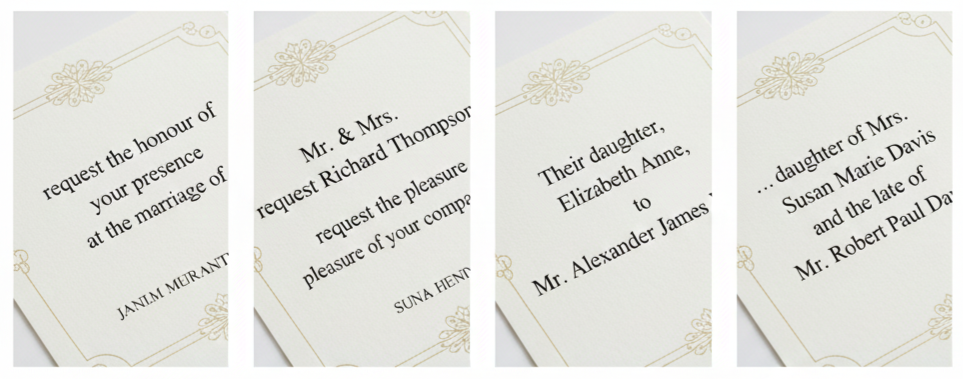
- Ceremony Wording: “Request the honour of your presence” is commonly used for religious ceremonies, while “request the pleasure of your company” suits non-religious celebrations.
- Hosting Structure: The host line
changes based on whether parents, both families, or the couple are hosting. sssa00000asdsadsads - Name Order: Traditional formatting places the bride’s name before the groom’s name, with full names preferred.
- Deceased Parent Reference: A respectful “late” mention can honor a parent without disrupting the invitation’s formal flow.
Design and Paper Choices That Make It Look and Feel Luxe
Design is where formal wedding invitations really shine. Formal doesn’t have to mean boring, and classic details can still feel personal when they’re chosen thoughtfully. Paper weight matters because it affects how the invitation feels in someone’s hand. Thick cardstock instantly signals quality, and cotton or linen papers tend to look and feel premium.
Typography also carries a lot of the “formal” energy. Serif fonts and classic scripts look timeless, and they print beautifully with traditional techniques like letterpress or engraving. Color palettes stay more refined as well, with shades like ivory, white, black, navy, and gold being common for formal suites. Then there are the finishing touches, like foil accents, wax seals, and envelope liners, which add polish without making the invitation feel overly busy.
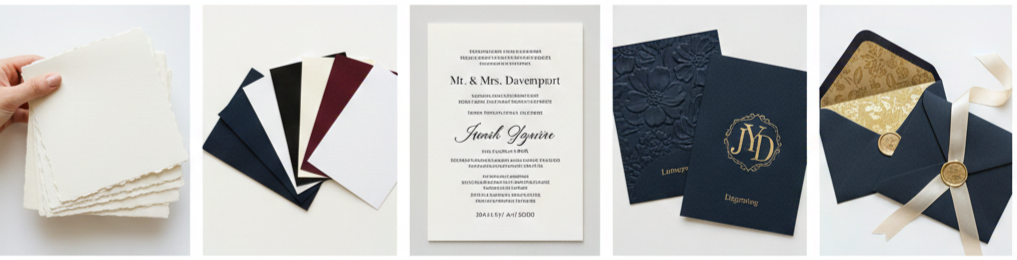
- Paper Quality: Heavy cardstock, often cotton or linen blend, gives the invitation a premium feel and a more formal presentation.
- Classic Color Palette: Ivory, cream, navy, black, burgundy, and gold tend to read as timeless and formal.
- Typography Style: Serif fonts and elegant scripts feel traditional, readable, and suited to formal wedding invitations.
- Print Methods: Letterpress creates a debossed impression, engraving gives a raised ink look, and foil stamping adds metallic shine.
- Refined Extras: Wax seals, silk ribbons, and envelope liners can elevate the suite while keeping it tasteful.
Addressing Invitations the Right Way
Addressing is a major part of formal etiquette, and it’s one of the first things guests see. The outer envelope should use full names and proper titles, and the inner envelope, when used, clarifies exactly who is invited. That second envelope can be especially helpful for households where you want to specify whether children are included, whether a guest has a plus-one, or whether the invitation is meant for an individual rather than a couple.
Titles matter here. Doctors, military members, clergy, and other formally titled guests should be addressed using their correct honorifics. For plus-ones, it’s best to name the guest when possible rather than relying on “and Guest,” since naming feels more formal and more intentional. When children are invited, formal suites may list them under the parents on the inner envelope, though older children may receive separate invitations depending on the level of formality you want to maintain.

- Outer Envelope: Uses full names and titles, such as Mr., Mrs., Dr., or professional and military titles.
- Inner Envelope: Clarifies who is invited within the household and may use first names or a simplified version of titles.
- Professional Titles: Doctors, clergy, and military ranks should be written out correctly to keep the addressing formal and respectful.
- Plus-Ones: Naming the guest is the most formal approach, while “and Guest” works when the name is unknown.
- Children Included: Inner envelopes can list children beneath the parents, while older children may receive separate invitations for more formal events.
When to Send and How to Keep Things on Track
Formal invitations still follow a traditional timeline, and sticking to it makes planning easier. Save-the-dates typically go out several months before the wedding so guests can plan travel and time off. Formal invitations follow later, and they should arrive with enough time for guests to respond without feeling rushed. Destination weddings require more lead time, since guests will need to book flights and accommodations.
RSVP deadlines matter because they affect seating charts, catering, rentals, and final headcounts. Once the deadline passes, a polite follow-up is completely acceptable. The tone should stay calm and gracious, and a simple message that you’re finalizing counts is usually all you need.
- Save-The-Date Timing: Typically sent 6 to 8 months before the wedding, and 9 to 12 months before for destination weddings.
- Invitation Mailing Window: Commonly mailed 8 to 10 weeks before the wedding, and around 12 weeks before for destination events.
- RSVP Deadline: Often set 3 to 4 weeks before the wedding date to allow time for final planning.
- Polite Follow-Up: A friendly reminder after the deadline is acceptable, especially when final counts are due.
Making It Personal Without Losing the Formal Touch
Formal invitations can still feel personal, and the best personalization tends to be subtle. A custom monogram can tie the suite together. A venue illustration can add charm while staying elegant. Envelope liners can bring in color or pattern without overpowering the look of the invitation. These touches keep the suite from feeling generic, while still respecting formal etiquette.
Modern conveniences like wedding websites and online RSVPs can fit into a formal invitation suite as well. The trick is wording and placement. You can keep the main invitation traditional and place modern details on a separate card, written in formal language that matches the rest of the suite.
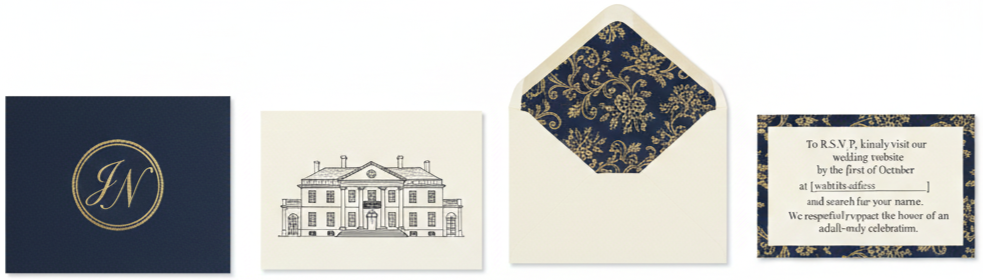
- Monogram Details: A simple monogram adds personalization while keeping the look formal and cohesive.
- Venue Illustration: A refined sketch of the venue feels special while still reading as classic.
- Envelope Liners: Patterns like toile, marble, or soft watercolor can add interest without changing the formal tone.
- Online RSVP Wording: Website and RSVP details should be written in formal language and placed on an insert card for a cleaner main invitation.
Mistakes You’ll Want to Avoid
One of the biggest mistakes is mixing casual language with a formal layout. A thick invitation card with elegant script loses its impact when the wording sounds like a casual party invite. Consistency matters, and the invitation should match the level of formality guests will experience on the day itself.
Details matter, too. Incorrect spelling, missing RSVP dates, unclear venue information, and formatting inconsistencies all make the suite feel less polished. Overcapitalization is another common issue, since formal invitations typically capitalize only proper nouns. Also, formal suites should avoid nicknames, since full legal names maintain a clean, traditional tone.
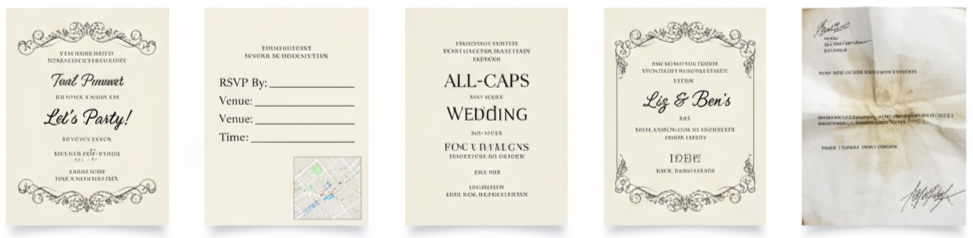
- Tone Mismatch: Casual phrases can undermine an otherwise formal invitation design.
- Missing Information: RSVP details, venue clarity, and correct timing are essential for guests.
- Formatting Issues: Overcapitalization and inconsistent style can make the invitation feel less refined.
- Nickname Use: Formal invitations typically use full legal names to maintain tradition and clarity.
- Rushed Production: Printing and mailing should allow time for proofs, corrections, and addressing.
Conclusion
Formal wedding invitations create a strong first impression, and they communicate the tone of your day before guests ever step into the venue. When the wording, paper, typography, and addressing all work together, the invitation suite feels intentional and elegant. A traditional approach can still feel personal when you add refined touches like a monogram, an envelope liner, or a thoughtfully written details card. With the right structure and consistent presentation, your invitations feel clear, polished, and worthy of the celebration you’re planning.
Key Takeaway: Formal wedding invitations work best when design choices, wording, and etiquette stay consistent, creating a polished suite that reflects a timeless, elegant celebration.
FAQs
Can we include registry information on a formal wedding invitation?
Registry details usually do not belong on the formal invitation itself. A wedding website or a separate word-of-mouth approach through close family and friends keeps the invitation suite focused on the ceremony and reception details.
How do we invite unmarried couples who live together?
Both names can appear on the outer envelope, typically on separate lines, and the inner envelope can reflect the same structure. This keeps the addressing clear and respectful while staying aligned with formal etiquette.
Is it okay to use colored envelopes for formal invites?
Colored envelopes can work well as long as the shade feels refined and matches the suite’s style. Deep navy, burgundy, and soft metallic tones tend to look formal, especially when paired with classic typography.
What’s the best way to handle dietary restrictions on the RSVP?
A simple line on the RSVP card works well, such as a request for guests to note dietary needs. This keeps the process organized and helps you avoid follow-up messages later.
Do we need to send formal invitations to family members we speak with regularly?
Formal invitations should go to every guest on the list, including close family members. This keeps everything consistent, supports planning, and ensures every guest has the same information in the same format.
Leave a Reply