How Much Does A Wedding Cost
| Category | Estimated Cost |
| Venue and Catering | $15,000 |
| Photography/Videography | $4,500 |
| Attire and Accessories | $2,500 |
| Entertainment | $2,000 |
| Flowers and Décor | $2,500 |
| Planner/Coordinator | $2,000 |
| Stationery | $500 |
| Transportation/Misc. | 1,000.00 |
National Average Wedding Cost in 2024
Weddings in the United States bring a wide range of costs depending on where you’re getting married and how big of a celebration you’re planning. Most couples spend around $30,000 to $35,000 for a traditional wedding, though that number can shift dramatically based on choices, preferences, and guest count. Some couples enjoy simple elopements under $5,000, while others choose small micro‑weddings that fall between $10,000 and $20,000. Larger weddings with luxury décor, premium venues, and long guest lists can easily exceed $60,000.
You have complete freedom to scale your day up or down, which means the final price tag is ultimately shaped by what matters most to you.
Key Takeaway: The average cost hovers around $30,000, but thoughtful planning allows you to shape your wedding budget around the celebration you want.
Major Wedding Expenses and Their Costs
Wedding budgets tend to revolve around a few big categories, and knowing these helps you prioritize what’s most meaningful.
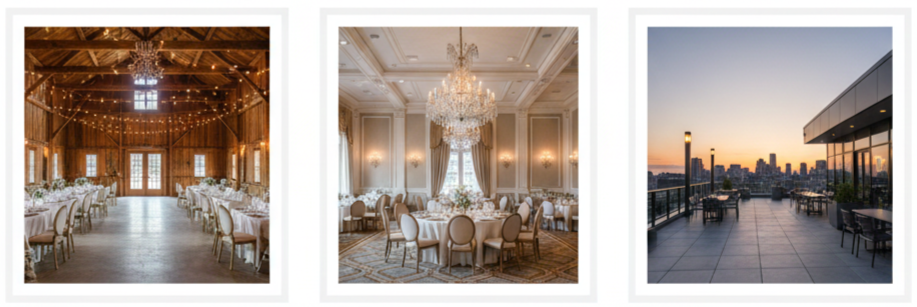
Venue
Your venue usually becomes the biggest single expense of your wedding. Whether you’re choosing a rustic barn, an elegant ballroom, or a chic rooftop, prices generally sit between $5,000 and $15,000. Costs shift depending on popularity, size, amenities, season, and location. Booking a venue that handles both the ceremony and reception can simplify planning and sometimes reduce overall cost.

Catering
Food is another major factor. Catering typically ranges from $70 to $150 per guest, depending on whether you choose buffet-style or plated service. Buffets tend to be more affordable. If you include an open bar, you’re looking at an additional $2,000 to $5,000 or more. Since catering is charged per person, your guest list size plays one of the biggest roles in your total budget.
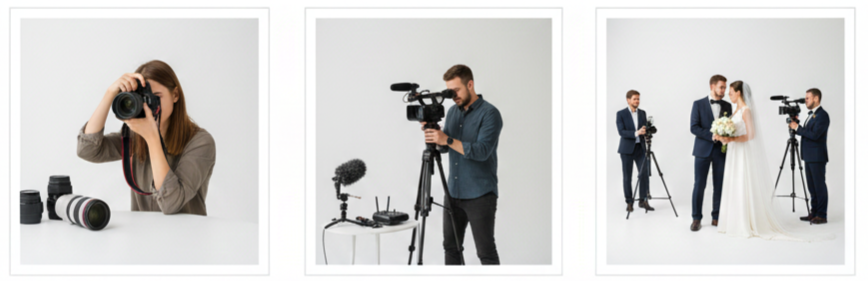
Photography and Videography
Documenting your day with professional photographers and videographers is something most couples consider essential. Photographers usually charge between $2,500 and $6,000 for full-day coverage, and videographers range from $1,800 to $5,000. Packages often include engagement shoots or highlight films. Experience, hours of coverage, and editing all impact cost.
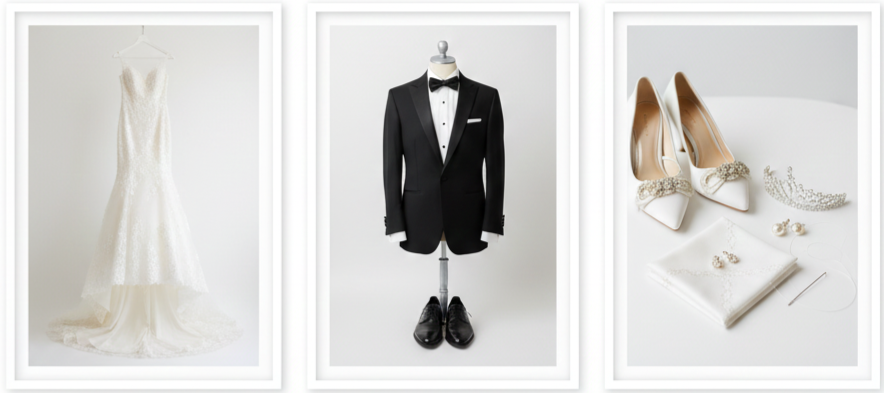
Wedding Attire
Wedding-day outfits also come with a range of prices. The average wedding dress is about $1,200, though designer dresses can reach $10,000 or more. Suits and tuxedos fall between $300 and $1,000. Remember to include accessories, shoes, and alterations in your budget, as they often add several hundred dollars to the total.

Entertainment
Entertainment sets the mood for your reception. DJs typically cost $1,000–$2,500, while live bands range from $3,000–$8,000 or more depending on size and gear. DJs offer flexibility and lower costs, while live bands create a unique atmosphere.
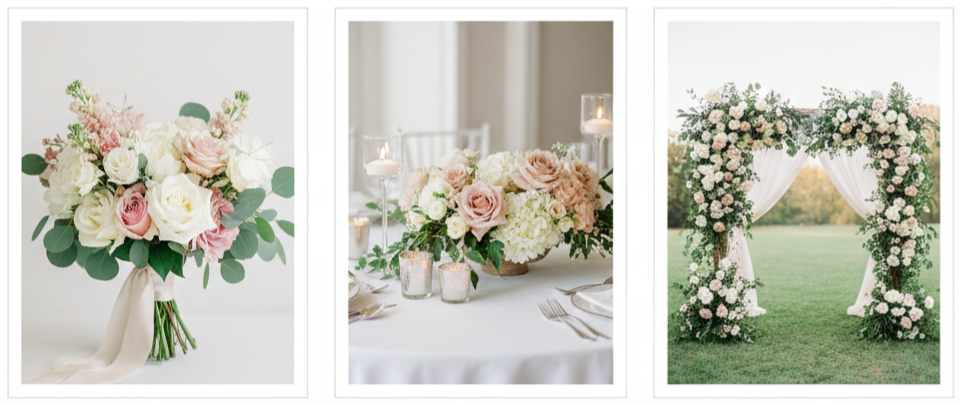
Flowers and Décor
Florals bring your vision to life, from bouquets and boutonnieres to centerpieces and ceremony arrangements. Most couples spend between $2,000 and $6,000 on flowers and décor. If you choose elaborate installations, specialty rentals, or custom lighting, your décor budget may increase.

Wedding Planner
Wedding planners bring expertise, coordination, and peace of mind. Full-service planning often costs between $4,000 and $10,000, while partial planning or day‑of coordination falls between $1,200 and $3,000. Planners are especially valuable for busy couples or those planning destination weddings.
Stationery
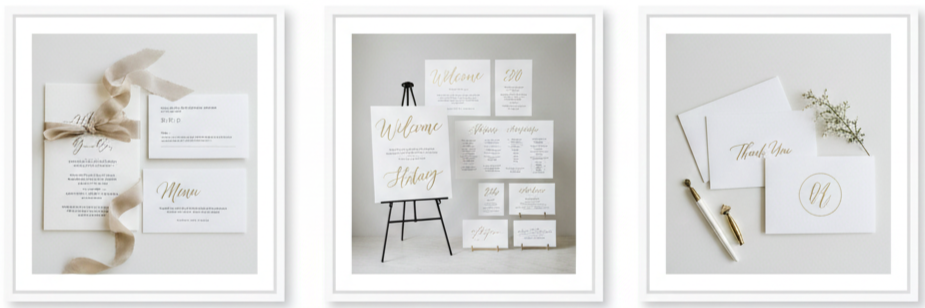
Wedding stationery includes invitations, RSVP cards, menus, signage, and thank-you cards. Printed suites cost between $500 and $2,000 depending on paper quality and design customization. Custom illustrations, foil stamping, and calligraphy will increase the price.

Officiant Fees
Officiant costs vary depending on whether you choose a religious leader or a professional celebrant. Religious officiants might request a donation, while secular officiants typically charge between $200 and $500.
Hidden and Unexpected Wedding Costs
Unexpected costs happen even with the most careful planning, so it helps to know what might catch you by surprise.
- Gratuities: Tips for vendors—such as catering staff, coordinators, and entertainment—may add 10% to 20% of service costs.
- Marriage License: State fees usually range from $50 to $150.
- Dress Alterations: Complex alterations can add $200 to $800.
- Beauty Trials: Hair and makeup trials are often separate from the wedding-day appointment.
- Transportation: Shuttles, limousines, or party buses may cost $500 to $1,500 depending on distance and time.
- Postage: Heavy or uniquely shaped invitations may require up to $2 per envelope.
These extras can add up quickly, so leaving room in your budget is always a smart move.
How Location Affects Wedding Costs
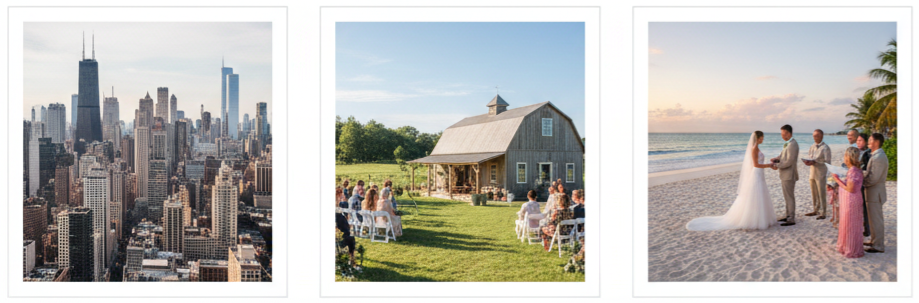
Wedding costs vary a lot by location. High-demand cities like Los Angeles, Chicago, or New York often have expensive venues and vendors, sometimes exceeding $60,000. Smaller towns in the Midwest or South can be more affordable, around $20,000–$25,000.
Destination weddings fall somewhere in the middle. While they might seem pricey at first, many couples choose them because they lead to smaller guest lists, simplifying the budget. Expect totals anywhere from $20,000 to $40,000 depending on travel and lodging needs.
You also have flexibility with timing. Off-season weddings (typically January through March and parts of November) along with weekday weddings can save you 10% to 25%.
Budgeting Tips for Smart Wedding Planning
Creating a wedding budget doesn’t have to feel overwhelming. Clear organization and honest planning makes the process much easier.
- Set a Total Budget: Establish the maximum amount you’re comfortable spending.
- Prioritize: Decide where to invest more—food, photos, music—and where to scale back.
- Track Everything: Use spreadsheets or budget apps for deposits and deadlines.
- Add a Buffer: Leave 10% to 15% for surprises.
- Communicate with Vendors: Vendors appreciate transparency and may offer flexible packages.
Cost-Saving Alternatives That Still Feel Special
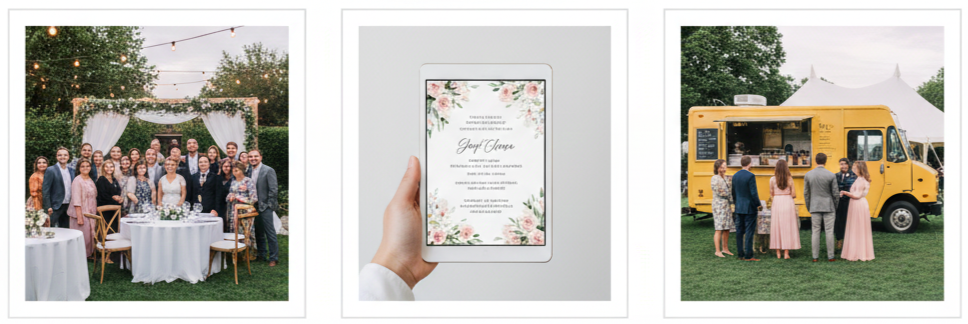
There are plenty of ways to trim wedding costs without losing the charm. Micro‑weddings offer intimate celebrations with fewer guests and lower expense. Backyard weddings eliminate venue fees entirely, though you’ll still need tables, chairs, and possible tent rentals.
Going digital with invitations is a cost‑effective and environmentally friendly choice. DIY décor is another great option if you’re creative or have crafty friends willing to help. Food trucks or buffet-style meals provide budget-friendly alternatives to plated dinners. Artificial or dried flowers look great and cost less than fresh arrangements.
Sample Budget Breakdown
A $30,000 wedding budget might look something like this:
- Venue and Catering: $15,000
- Photography and Videography: $4,500
- Attire and Accessories: $2,500
- Entertainment: $2,000
- Flowers and Décor: $2,500
- Planner: $2,000
- Stationery: $500
- Transportation and Miscellaneous: $1,000
If you’re aiming for a $10,000 wedding, you’ll need to reduce the guest count significantly, use digital invites, hire newer vendors, and consider hosting at a home or low-cost venue. Buffet meals, potluck-style gatherings, or casual food options like food trucks can help keep catering manageable.
Conclusion
A wedding can be as simple, modest, grand, or luxurious as you want it to be. The beauty of wedding planning is that there’s no fixed rulebook—your celebration can reflect your style, budget, and priorities. While the national average sits around $30,000, there are countless ways to create a meaningful day at any price range. With thoughtful planning, open communication, and intentional spending, you can design a wedding that feels personal and memorable without unnecessary financial stress.
Key Takeaway: Weddings vary widely in cost, but planning ahead, setting priorities, and staying flexible makes it possible to create a beautiful celebration at any budget.
FAQs
How far in advance should we start booking wedding vendors?
Most vendors begin booking 12 to 18 months out, especially venues, photographers, and caterers. Early booking helps you secure your preferred dates and rates.
Is wedding insurance worth considering?
Wedding insurance can protect your investment from unexpected cancellations, vendor issues, or severe weather. It’s especially helpful for high-budget or destination weddings.
Can we plan a memorable wedding with a $5,000 budget?
Yes. Keeping the guest list small, choosing low-cost venues, using digital invitations, and skipping nonessentials allows you to plan a beautiful and meaningful event.
Do all wedding vendors expect tips?
Not all do, but many appreciate gratuities. Catering staff, DJs, planners, hairstylists, and makeup artists are among the vendors commonly tipped.
Do we really need a wedding planner or coordinator?
You don’t have to hire one, but planners and coordinators make the process smoother. Day‑of coordinators are a budget‑friendly option that keeps everything running on schedule.
Leave a Reply