Layered Wedding Invitations
| Layer Type | Purpose |
| Main Invitation | Announces the event and main details |
| RSVP Card | Allows guests to confirm attendance |
| Details Card | Shares location, time, dress code, etc. |
| Vellum Overlay | Adds design flair or monogram display |
| Map or Directions | Provides travel or venue guidance |
| Accommodation Info | Lists hotel blocks or travel tips |
What Are Layered Wedding Invitations?
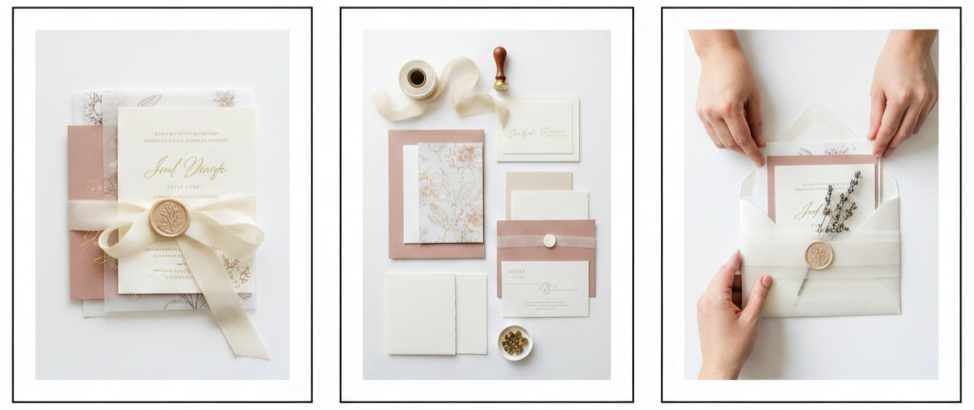
Layered wedding invitations bring multiple sheets of paper or card stock together to form one cohesive invite. Instead of relying on a single card to convey every detail, this format allows each piece of information to sit on its own layer. You can include the main invite, a details card, an RSVP card, or even a vellum overlay, all stacked or bundled with a ribbon, belly band, or wax seal. This setup gives your guests a polished, organized experience when they open the envelope and immediately sets the tone for your event.
Why Choose a Layered Design

Layered wedding invitations do more than decorate your stationery—they organize your information and elevate the first impression of your celebration. They look impressive right from the moment your guests open the envelope, creating a structured, luxurious feel. Each layer keeps details easy to find, which helps guests quickly understand your plans, schedules, and instructions. Because every layer can be personalized, you get complete control over textures, colors, finishes, and styles. And if your plans change along the way, updating or adding a layer is far easier than reprinting a whole invitation.
Styles and Materials to Consider
Layered invitations offer plenty of flexibility when it comes to choosing materials, finishes, and embellishments. Each part of your invitation suite contributes to the overall look, so your choices will shape how your set feels in-hand and visually.
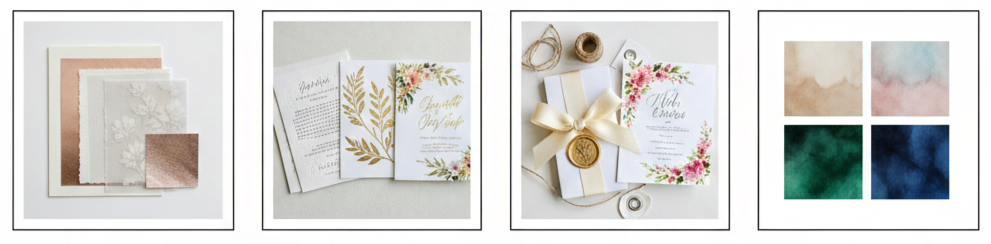
- Paper Types: Cardstock for the base, vellum for overlays, handmade paper for organic texture, and metallic papers for shimmer.
- Printing Techniques: Letterpress for deep impressions, foil stamping for metallic shine, digital printing for full color, and thermography for raised ink.
- Decorative Elements: Belly bands, wax seals, ribbons, twine, eyelets, or grommets help hold everything together with style.
- Color Palettes: Neutral tones for timelessness, pastels for softness, bold hues for drama, or monochrome for modern minimalism.
These choices help you build an invitation suite that mirrors your overall wedding theme while keeping everything cohesive.
Design Ideas for Layered Invitations
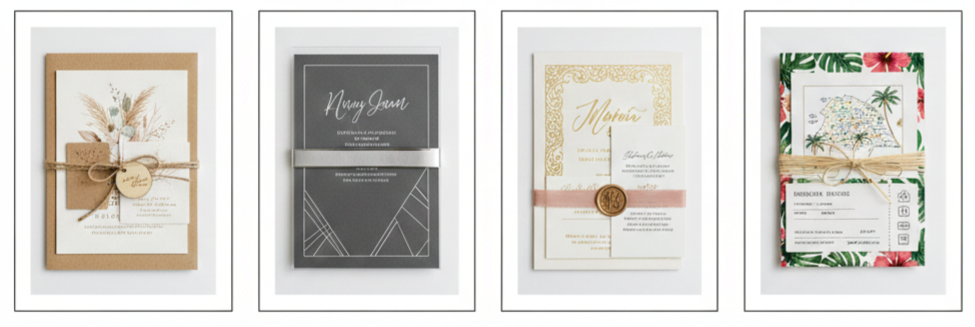
Different themes work beautifully with layered formats, and each design direction can inspire a unique layout and combination of materials. If you’re leaning into a rustic boho aesthetic, kraft paper layers paired with twine or botanical artwork create a natural, relaxed vibe. For a sleek and modern look, clean fonts, grayscale tones, or a transparent acrylic top layer give your suite a minimalist, architectural feel. A romantic and classic theme may feature ivory paper, raised ink, gold foil details, and lace-inspired elements. Destination weddings are also a great match for layered designs, allowing you to add map inserts, tropical patterns, or travel tag-inspired pieces.
Customization Tips for a Polished Look
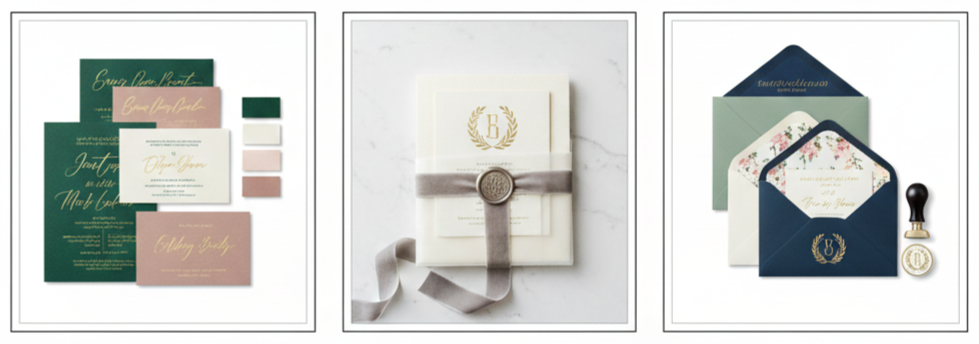
The secret to a smooth layered invitation is thoughtful customization. Start with a color palette that fits your wedding theme—rich tones for the base layer with lighter shades for inserts, or soft neutrals for a subtle look. Keep fonts readable, especially on RSVP or detail cards, pairing decorative styles with simple typefaces for balance. Arrange layers from largest to smallest for a clean layout, or mix it up to match your design. Adding personal touches like monograms, crests, or custom motifs makes your invitation memorable. Finish with envelopes that match, using liners, personalized stamps, or coordinating colors.
DIY or Professional Printing

Deciding whether to create layered invitations on your own or hire a professional comes down to time, skill, and budget. DIY invitations give you total creative freedom. You can choose the paper, print your own layers, cut them to size, and assemble everything by hand. It’s a great option for smaller weddings or couples who enjoy hands-on projects. However, DIY takes time and patience, and getting a consistent finish can be challenging.
Professional printing offers convenience and quality. Designers can help with layout, spacing, materials, and finishing techniques that may be hard to replicate at home. They also provide access to premium printers, specialty inks, and luxury papers. While it costs more, professional services ensure your invitations look polished and consistent.
Timeline and Ordering Tips
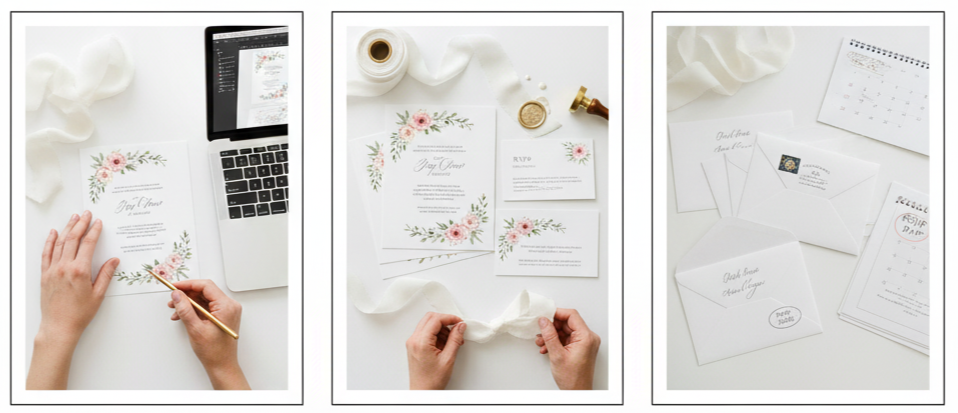
Planning your invitation timeline early prevents rushed decisions or last-minute complications. Begin the design process 6 to 8 months before your wedding. This gives you room to explore styles, request samples, and approve drafts. Aim to finalize your order 4 to 6 months in advance, which leaves ample time for printing, shipping, and assembly.
Once your invitations arrive, allow at least one to two weeks for assembly. Layered suites require tying ribbons, sealing belly bands, attaching wax seals, and organizing everything carefully. Send out your invitations 8 to 10 weeks before your wedding, or 12 weeks for destination events or guests traveling from afar. Always order extra sets—usually 10 to 15 more—to cover mailing errors, last‑minute additions, or keepsakes.
Cost Expectations and Budgeting Tips
Layered wedding invitations vary widely in price depending on materials, printing methods, embellishments, and the number of layers included. Basic layered sets with two digitally printed cards can cost under $4 each. Mid‑range suites with three or more layers, decorative touches, and belly bands often fall between $5 and $8. Luxury suites featuring letterpress, foil stamping, handmade paper, lined envelopes, or wax seals may start at $9 and increase with customization.
If you’re working within a tighter budget, several cost-saving approaches help maintain style without overspending:
- Use Digital RSVP Options: This eliminates the need for an extra response card and envelope.
- Combine Designs: Print details on the back of one card instead of adding another layer.
- Assemble Them Yourself: Hand‑tying or sealing invitations saves assembly fees.
- Print Locally: Avoid shipping delays and costs by working with a nearby print shop.
- Limit Embellishments: Choose one standout feature instead of combining multiple premium extras.
These choices let you enjoy the beauty of layered invitations while staying budget-conscious.
Conclusion
Layered wedding invitations are more than stationery—they’re an experience for your guests from the moment they open the envelope. They bring structure to all your wedding details while allowing you to express your style through paper, printing, and design. Whether you’re planning a modern celebration, a romantic affair, or a destination wedding, layered invitations deliver organization, beauty, and a memorable first impression.
Key takeaway: Layered invitations mix style and organization, offering couples a creative and elegant way to personalize their wedding stationery.
FAQs
Can I use QR codes in layered invitations?
Yes, QR codes work great on detail or RSVP cards and give guests easy access to online information, registries, or digital RSVP forms.
What’s the best way to keep layered invitations safe during mailing?
Use rigid or padded envelopes and ask for hand‑canceling to avoid damage from sorting machines.
Are eco‑friendly layered invitations available?
Definitely. Recycled paper, sustainable printing, and digital RSVP options make layered invitations environmentally friendly.
How many layers should I include?
Three to five layers usually offer the best balance of organization and design without making the suite bulky.
Can digital invitations mimic the layered look?
Yes, digital designs can use shadow effects and stacked graphics to give the illusion of layers, making them a great match for hybrid wedding invitation formats.
Leave a Reply