Planning A Beach Wedding
| Feature | Public Beach | Private Beach |
| Cost | Low or free | Higher, may require rental fee |
| Privacy | Limited, open to public | Exclusive, controlled access |
| Permit Needed | Usually required | Often included in booking |
| Setup Flexibility | Restricted by local rules | More customizable |
| Accessibility | Varies, may lack facilities | Often better amenities |
Choosing the Perfect Beach Location
Planning where to have your beach wedding is a big first step. You’ve got options, but each one comes with its own pros and cons.
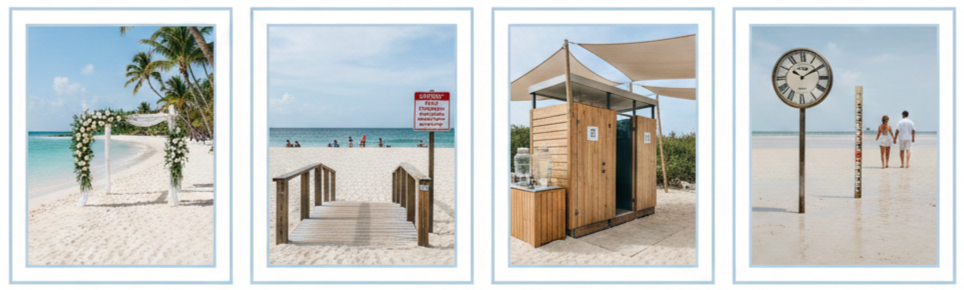
- Public beaches: These are usually free or low-cost, but they might require permits, and you could have to deal with random beachgoers or restrictions on setup.
- Private beaches: These give you more control and privacy, but they’ll usually come with a rental fee or access cost.
- Accessibility: Make sure the beach is easy to get to for all your guests, especially those with mobility challenges. Nearby parking and walkways can make a big difference.
- Facilities: Check if there are restrooms, shade, or nearby shelters that guests can use.
- Tide and safety: Look into the tide schedule so you don’t risk your setup being washed away mid-ceremony.
Popular places like the Amalfi Coast, Maui, or the Florida Keys are top picks, but if you’re staying local, California and Hawaii offer fantastic options with plenty of wedding experience.
Setting the Right Date and Time
You can’t plan a beach wedding without thinking about weather and timing. Seasons and time of day matter just as much as the location.
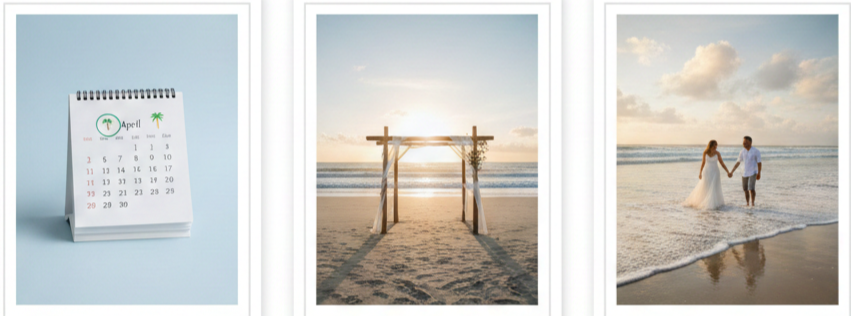
- Best seasons: Spring and early fall usually offer milder weather with less risk of storms.
- Tide schedule: Use tide charts to avoid getting caught in high tide during the ceremony.
- Time of day: Morning ceremonies give you cooler temperatures and softer light. Sunset weddings are beautiful but might require lighting as the sun goes down.
Working with a planner familiar with the area can help you make the best timing decisions.
Securing Permits and Legal Requirements
There’s paperwork involved when you’re getting married on a beach, and you’ll want to check those boxes early.
- Wedding permits: Most public beaches need a permit for events with setups like chairs, arches, or amplified sound.
- Insurance: Some locations require liability insurance to protect against accidents or damage.
- Marriage license: Each location has its own rules. You might need to arrive early or submit specific documents before your wedding day.
It’s always smart to talk to local authorities or hire a wedding planner who knows the process well.
Planning the Ceremony Setup
Designing your beach wedding setup means dealing with the elements—sand, wind, and sunlight.

- Altar or arbor: Choose one that’s sturdy and can be secured in the sand. Lightweight pieces can blow over.
- Seating: Use wooden or bamboo chairs instead of plastic ones that sink or shift.
- Decorations: Keep it simple and natural. Think seashells, lanterns, or dried palm leaves.
- Aisle: Burlap runners or wooden planks can create a stable walking path for you and your wedding party.
Always have a backup plan nearby in case the weather flips last minute.
Dressing for the Beach
Beach weddings call for smart clothing choices—for you and your guests. Comfort and practicality matter just as much as style.

- Bride’s attire: Stick with light fabrics like chiffon, tulle, or crepe. Consider a shorter dress or one without a train. Ditch the heels for flat sandals or go barefoot with foot jewelry.
- Groom’s attire: Lightweight suits in linen or cotton are perfect. Open collars and rolled sleeves add a relaxed touch.
- Guest dress code: Let people know in advance that it’s a beach event. Recommend breathable clothes and casual footwear.
You’ll stay comfortable and stylish without sweating through your big day.
Considering the Guest Experience
Make the experience smooth and enjoyable for your guests so they leave with great memories.
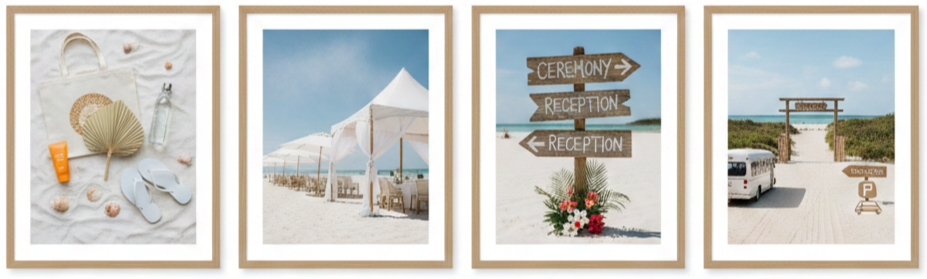
- Welcome kits: Offer small bags with sunscreen, hand fans, water bottles, and flip-flops
- Cooling options: Set up umbrellas, shaded tents, or misting stations if you’re expecting hot weather.
- Clear signs: Use wooden signs or chalkboards to guide guests to the ceremony, restrooms, or reception space.
- Transportation: Let guests know where to park, if there’s a shuttle, or how to access the beach path.
These small extras go a long way in showing you thought of everything.
Managing Sound and Photography
Between the wind and waves, it’s easy for sound to get lost or for photos to fall flat without the right gear.
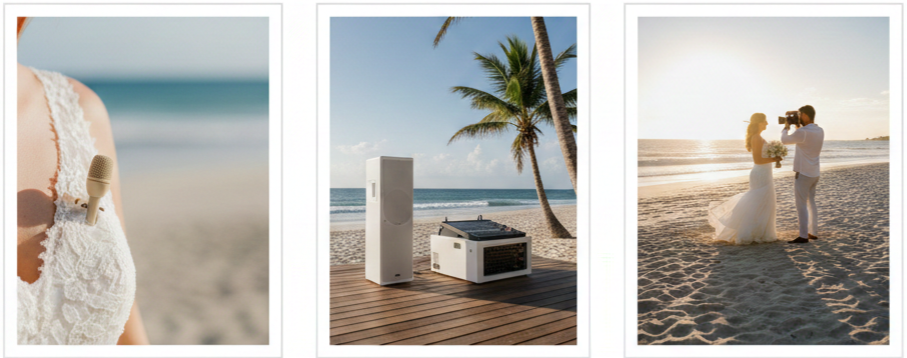
- Microphones: Use wind-resistant lapel mics or a portable sound system so everyone can hear the vows.
- Music setup: Make sure your DJ or musicians use weather-protected equipment.
- Photography tips: Work with someone who has experience shooting at beaches. Timing the photos during golden hour gives you the best natural lighting.
Talk through your plans with your photographer and audio team ahead of time so nothing gets missed.
Reception Ideas That Fit the Beach Vibe
Keep the laid-back, coastal energy going with a reception that feels like an extension of the ceremony.

- Tented receptions: These give you shade and weather protection without losing the beach feel.
- Bonfire party: A fire pit with acoustic music, s’mores, and beach games adds a fun, casual end to the night.
- Tropical menu: Serve grilled seafood, fresh fruit, and drinks like pina coladas or coconut mojitos to match the setting.
Set up a dance floor area with a solid surface so people aren’t trying to dance in loose sand.
Preparing for Unexpected Weather
Even if the forecast looks clear, the beach can be unpredictable—so have a backup ready.
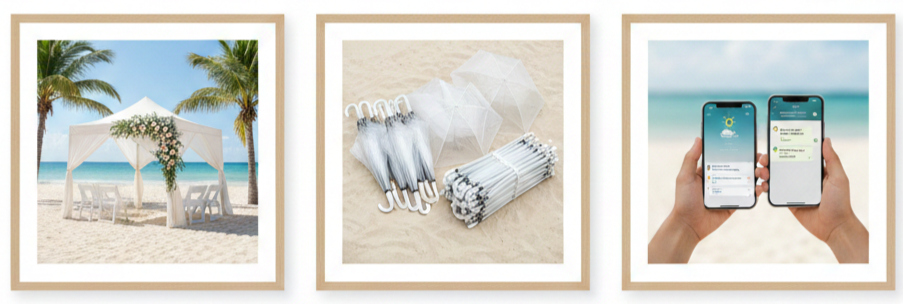
- Alternate venue: Book a nearby pavilion or indoor space just in case.
- Tents and umbrellas: Have pop-up shelters or umbrellas on standby.
- Emergency communication: Let your vendors and guests know what the plan is if weather conditions change.
Use a reliable weather app and assign someone to keep an eye on the forecast on the big day.
Eco-Friendly Beach Wedding Tips
Keeping your beach wedding sustainable shows respect for the environment that’s hosting your special day.

- Decor choices: Use natural or reusable items instead of plastic decorations.
- Biodegradable confetti: Go for flower petals, dried herbs, or rice paper instead of plastic confetti.
- Zero-waste catering: Choose vendors that offer compostable dishware and locally sourced food.
Make sure to clean up after the event or hire a professional team to leave the space spotless.
Conclusion
A beach wedding can be incredibly beautiful and memorable when it’s planned thoughtfully. With the right mix of preparation, flexibility, and beach-friendly choices, you can enjoy a relaxed and stunning event that goes off without a hitch. Every part of the day—from your outfit to your decorations to your backup plans—plays a role in making your celebration as smooth as possible. Focus on the details, keep your guests in mind, and let the natural beauty of the beach shine through.
Key Takeaway: A beach wedding is more than just a pretty location. With smart planning, the right timing, and attention to comfort and weather, you’ll create a ceremony that’s both breathtaking and totally stress-free.
FAQs
Am I allowed to bring my own food and drinks to a beach wedding?
That depends on the beach’s rules. Some public beaches allow outside food and beverages, while others require you to use approved vendors. Always check with local officials before deciding.
Is it okay to have a beach wedding during peak tourist season?
You can, but expect more people around and less privacy. Choosing a weekday or having your ceremony early in the morning can help avoid the crowds.
How do I make sure guests with mobility issues can attend?
Look for beaches with ramps or hard-packed walkways. You can also rent temporary walkways or platforms that make navigating the sand easier.
What kind of shoes work best for a beach wedding?
Flat sandals, barefoot accessories, or wedges are great. Avoid heels because they’ll sink into the sand and make walking difficult.
Do I need a cleanup plan for the beach after the ceremony?
Yes. Some permits even require a written cleanup plan. Whether you assign helpers or hire a crew, make sure the beach is left clean and beautiful after your event.
Leave a Reply