Royal Wedding
| Country | Venue | Tradition | Dress Feature |
| UK | Westminster Abbey | Balcony kiss | Royal tiara |
| Spain | Cathedral | Black lace mantilla | High neckline |
| Japan | Shrine | Shinto ritual | White kimono |
| Sweden | Cathedral | Myrtle in bouquet | A-line gown |
| Norway | Cathedral | Flag-lined entrance | Embroidery |
Historical Significance of Royal Weddings
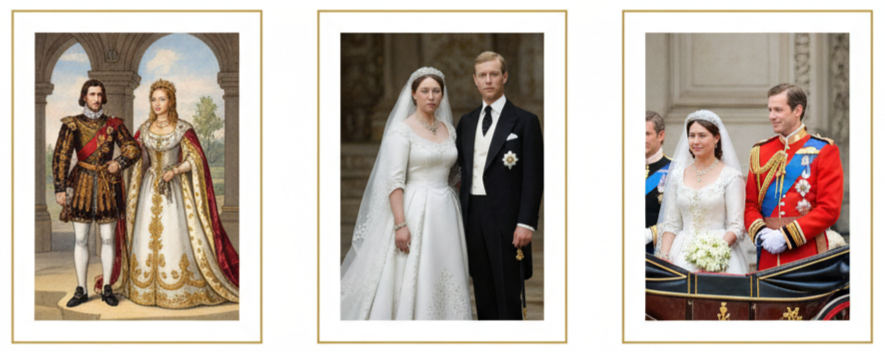
Royal weddings have always played a major role in shaping history, culture, and international relationships. Long before livestreams and global media coverage, these marriages served purposes that extended far beyond romance. They were strategic moves designed to unite kingdoms, end conflicts, and influence generations. Monarchies understood that a single union could alter political landscapes, and they used weddings to strengthen alliances or promote peace.
When Ferdinand of Aragon married Isabella of Castile in 1469, their marriage helped unify Spain. Queen Victoria’s 1840 wedding to Prince Albert also had a lasting impact, especially by making the white wedding dress popular—a tradition brides still follow today. Over time, royal weddings have also symbolized hope and national unity during challenging periods.
Modern Royal Weddings as Global Events
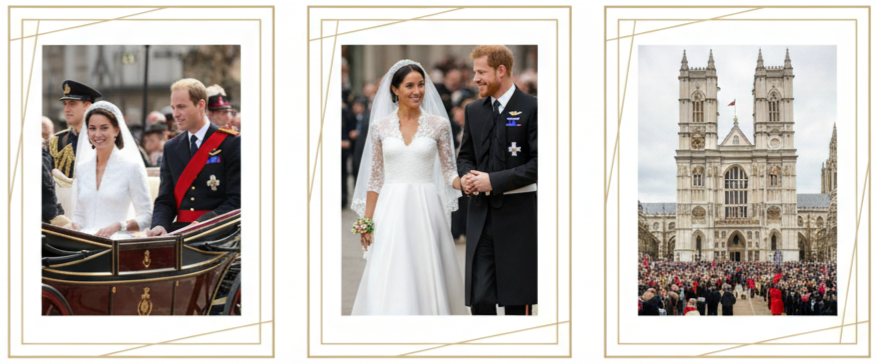
Today, royal weddings are seen around the world and watched by millions. They’ve become entertainment, cultural moments, and social media sensations all at once. When Prince William married Catherine Middleton in 2011, billions watched the ceremony. The same happened in 2018 when Prince Harry married Meghan Markle. These events dominate news cycles, trending topics, and influencer conversations.
People tune in for the spectacle, fashion, traditions, and emotional moments. Social media platforms create real-time discussions, fan edits, and breakdowns of every little detail—from the gown to the floral arch. Outside the screen, these weddings boost tourism, merchandise sales, and local business activity. For countries with royal families, a modern royal wedding is more than ceremonial—it’s an economic and cultural powerhouse.
Ceremony and Traditions at Royal Weddings
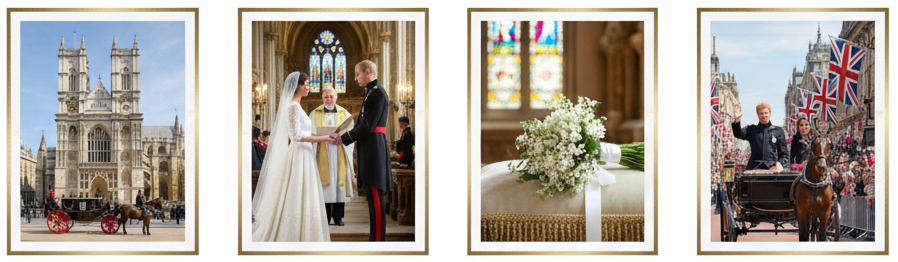
Royal wedding ceremonies are built on long-standing traditions. Every detail, from the venue to the bouquet, carries symbolic meaning. These ceremonies usually take place in iconic, centuries-old locations that highlight the monarchy’s heritage. Westminster Abbey and St. George’s Chapel are two of the most famous venues, representing continuity and national pride.
Inside the ceremony, traditions unfold with precision. Royal vows are usually based on historic formats, and senior clergy officiate the event. The bride typically carries a bouquet with symbolic flowers, often including myrtle, which has represented love and marriage in royal history. Grand processions, carriage rides, and balcony appearances add to the pageantry. Each element connects the present with the past, giving royal weddings a timeless feel.
Guest List and Invitations
A royal wedding guest list balances tradition, diplomacy, and personal ties. While it may look glamorous, it follows strict protocols and international etiquette, inviting political leaders, foreign royals, top religious figures, and military officials.
Alongside these high-profile guests, the couple typically invites close friends, mentors, charity leaders, and sometimes members of the public. In recent royal weddings, couples have prioritized including people who represent causes they support. Prince Harry and Meghan Markle, for example, invited charity representatives and everyday citizens who had influenced their work.
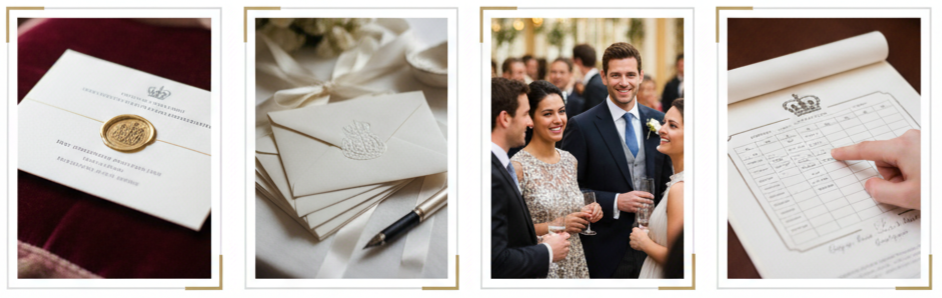
Guest List Considerations:
- Traditional figures: Heads of state, royal family members, and clergy
- Personal connections: Friends, mentors, and non-royal important individuals
- Public attendees: Selected citizens invited to view processions or receptions
This blend of protocol and personal influence creates a guest list that reflects both royal duty and individual personality.
Fashion and Style Moments
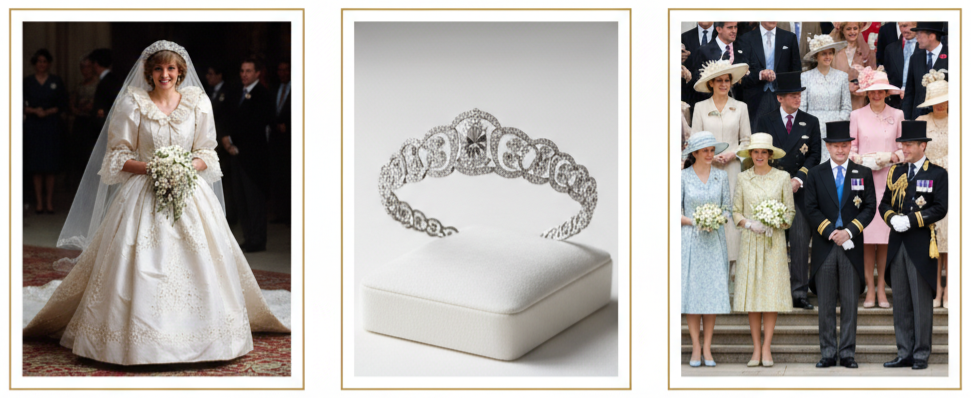
Fashion plays a major part in the excitement surrounding royal weddings. The world waits to see what the bride will wear, and the moment she steps out instantly becomes fashion history. Princess Diana’s gown featured a record-breaking train, and Meghan Markle’s elegant Givenchy dress sparked a trend toward minimalism.
Royal brides usually wear tiaras from the family’s historic collection, carrying centuries of heritage. Guests follow a formal dress code, with hats for women and suits or uniforms for men, making the event a display of elegance, tradition, and style.
Notable Fashion Elements:
- Bridal gowns: Designed by top fashion houses with symbolic detailing
- Heirloom tiaras: Passed down through royal generations
- Guest attire: Formal looks that complement the ceremony’s prestige
Fashion from royal weddings often inspires global trends for years.
Royal Wedding Receptions and Celebrations
After the formal ceremony, the celebration continues with receptions that blend formality with fun. Royal receptions are usually divided into two parts. The first reception is hosted by the monarch and is more traditional and structured. It includes speeches, toasts, formal greetings, and elegant dishes that reflect the couple’s backgrounds.
The evening reception tends to be more relaxed. It’s smaller, more personal, and often includes live music, dancing, and entertainment from well-known performers. These private celebrations allow the couple to enjoy the moment with close family and friends without cameras or public pressure.
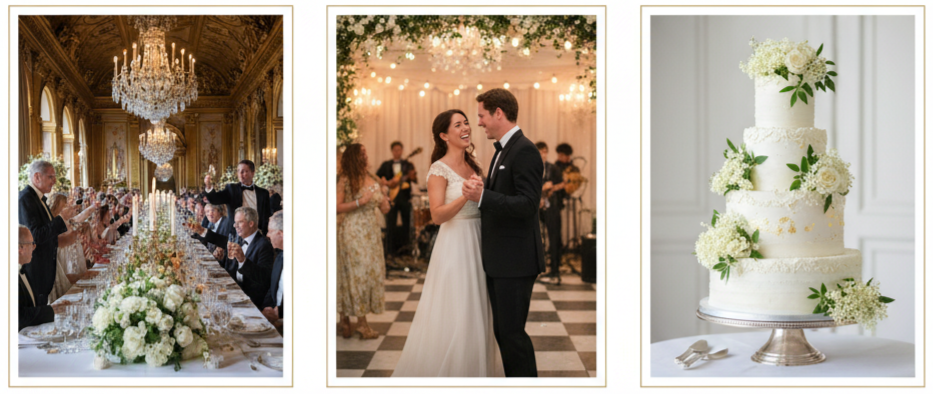
Reception Highlights:
- Traditional gatherings: Hosted by the monarch with classic décor and menu selections
- Private celebrations: Music, dancing, and personalized touches for the couple
- Specialty cakes: Often multi-tiered and symbolic, such as modern lemon elderflower styles
Together, these receptions bring both tradition and personality to the royal wedding experience.
Public Response and Cultural Impact
Royal weddings create excitement far beyond the palace walls. Streets fill with fans waving flags, neighborhoods hold watch parties, and cities host events to celebrate. These weddings often bring communities together, creating a shared sense of anticipation and celebration.
The cultural influence is just as strong. Royal weddings often inspire global trends in fashion, décor, and even conversation around social issues. Meghan Markle’s entry into the royal family sparked discussions about diversity and modern monarchy, showing how these events can influence broader cultural conversations.

Cultural Impact Points:
- Public celebrations: Viewing parties and national excitement
- Trend-setting influence: Fashion, décor, and media coverage
- Cultural conversations: Representation, modern values, and royal traditions
These events hold cultural significance long after the wedding day ends.
Royal Honeymoon and Post-Wedding Life
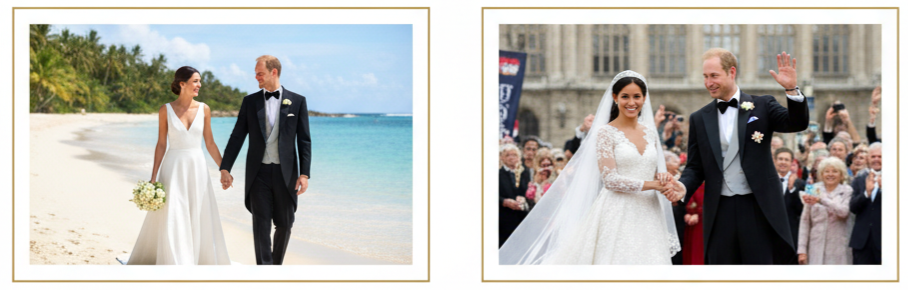
After the celebrations, royal couples typically embark on a private honeymoon, though details are often kept secret. Past royal couples have chosen destinations that offer privacy and breathtaking scenery, such as secluded islands or African lodges.
Once they return, the newlyweds begin their next chapter within the monarchy. This often includes taking on new titles, attending public engagements, and expanding their charitable commitments. Their roles may shift depending on their position in the royal lineage, and media attention remains focused as they adjust to married life.
Royal couples often use this time to define their priorities, launch new initiatives, and strengthen their public roles. From charity work to official royal duties, marriage marks the beginning of new responsibilities and opportunities.
Conclusion
Royal weddings blend history, tradition, and modern culture in a way few events can. They bring global audiences together, set cultural trends, and highlight how monarchies evolve over time. Whether it’s the fashion, the ceremony, or the public celebrations, these events capture worldwide fascination. Each royal wedding becomes a moment that reflects both the heritage of the monarchy and the values of the present.
Key Takeaway: Royal weddings are cultural landmarks that showcase tradition, celebrate unity, and influence global trends while shaping the evolving image of modern monarchies.
FAQs
Why do royal brides wear white?
Royal brides wear white largely because Queen Victoria set the trend when she chose a white gown in 1840. The color symbolized purity and quickly became the standard for brides around the world.
Do royal weddings take longer to plan than typical weddings?
Yes. The planning process includes security coordination, international protocol, guest arrangements, and ceremonial requirements, which makes the process longer and more detailed than most weddings.
Are royal wedding ceremonies always religious?
Most royal ceremonies, especially in the UK, follow religious traditions and are held in historic churches, with senior clergy leading the service.
Can members of the public attend royal weddings?
While the ceremony is typically private, members of the public may be invited to stand along the procession route or inside designated areas around the venue to watch the celebration.
What happens to the decorations and flowers after a royal wedding?
In many modern royal weddings, flowers and décor are donated to hospitals, charities, or care facilities, allowing them to bring joy to others after the ceremony.
Leave a Reply