Wedding Flowers
| Season | Flowers |
| Spring | Tulips, Peonies, Sweet Peas, Daffodils |
| Summer | Sunflowers, Dahlias, Garden Roses, Zinnias |
| Fall | Marigolds, Chrysanthemums, Celosia, Amaranthus |
| Winter | Amaryllis, Anemones, White Roses, Pine/Holly |
Choosing the Right Wedding Flowers
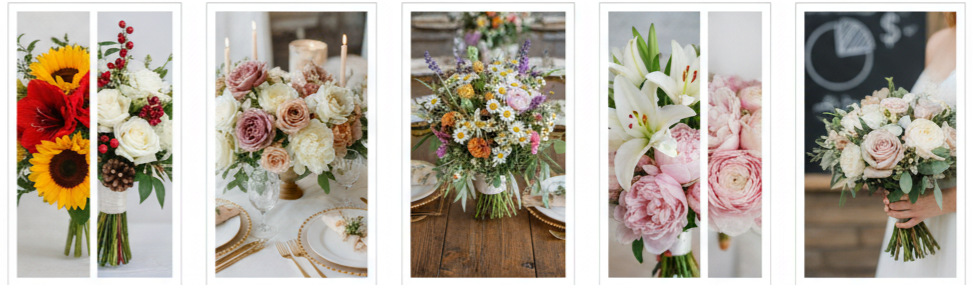
Picking wedding flowers goes beyond picking what looks pretty. It’s about setting the mood for your big day and making sure everything flows together beautifully.
- Seasonality: Choose blooms that are in season. They’ll be fresher, more affordable, and easier to find.
- Color Palette: Keep your flower colors in sync with your wedding theme, attire, and venue design.
- Venue Style: A ballroom might call for roses and orchids, while wildflowers work perfectly for a garden or barn wedding.
- Fragrance and Symbolism: Strong scents like lilies can fill a space quickly, while peonies and ranunculus keep things light.
- Budget: Prioritize what matters most—like your bouquet and ceremony flowers—and then plan the extras around your remaining budget.
When everything aligns—colors, theme, and season—your flowers will make your wedding day feel naturally cohesive and elegant.
Popular Wedding Flowers and Their Meanings
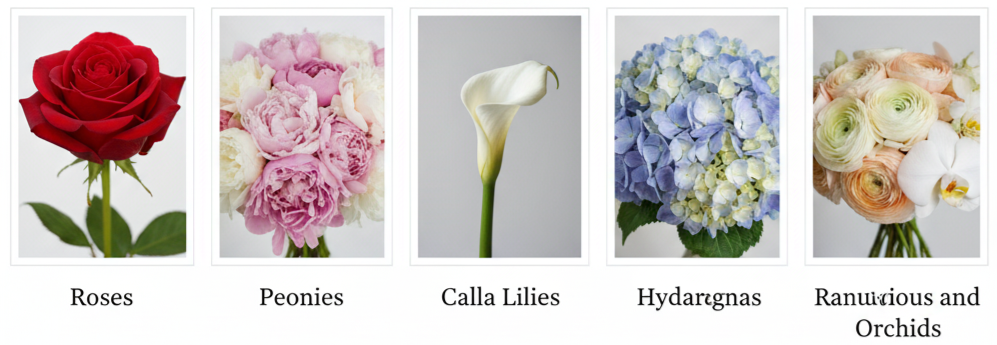
Every flower carries a little bit of meaning, making your wedding feel even more personal. Roses symbolize love and romance, which is why they’re a timeless favorite. Peonies bring luck and happiness, adding fullness and softness to any bouquet.
Calla lilies, with their sleek lines, represent purity and elegance—perfect for a modern wedding. Hydrangeas are known for expressing gratitude and emotion, making them ideal for family-centered ceremonies. Ranunculus adds charm and texture, while orchids embody luxury and strength. Each bloom tells part of your love story in its own beautiful way.
Seasonal Flower Guide
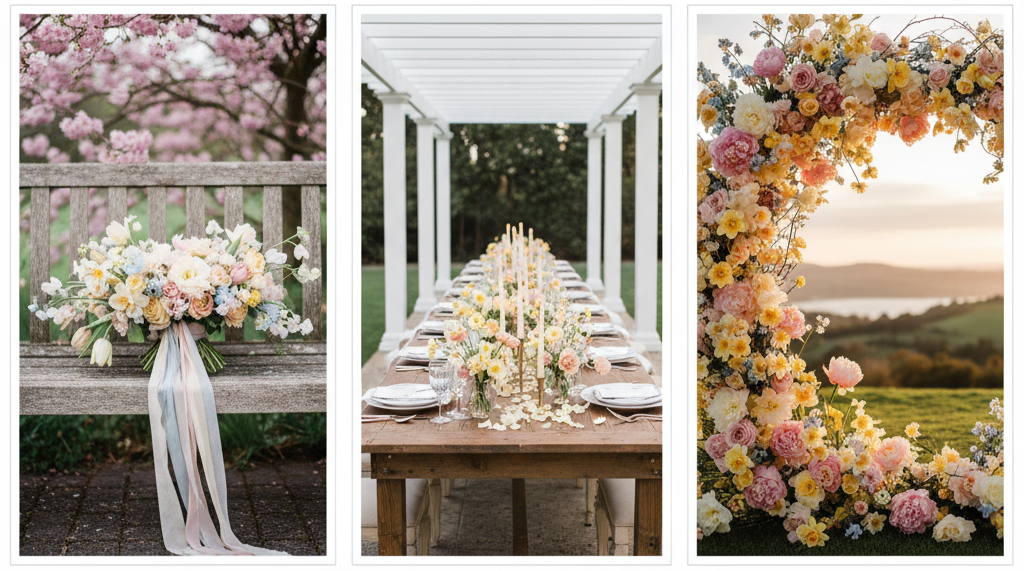
Spring Blooms
Spring is a season full of new beginnings, making it perfect for weddings. You’ll find tulips, daffodils, sweet peas, and peonies in abundance. Their pastel colors and delicate scents bring freshness to any venue.
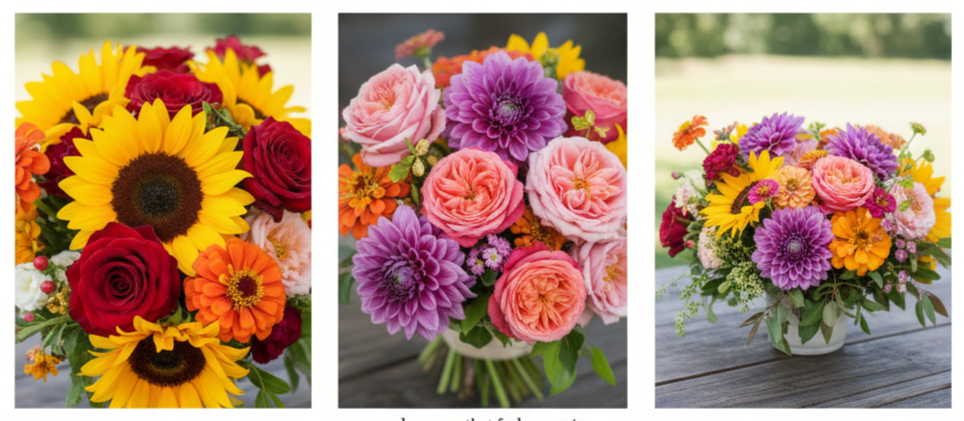
Summer Picks
Summer flowers are bold and colorful. Think sunflowers radiating warmth, garden roses that feel romantic, dahlias for a dramatic touch, and zinnias to add pops of color. They handle heat well and bring energy to outdoor celebrations.
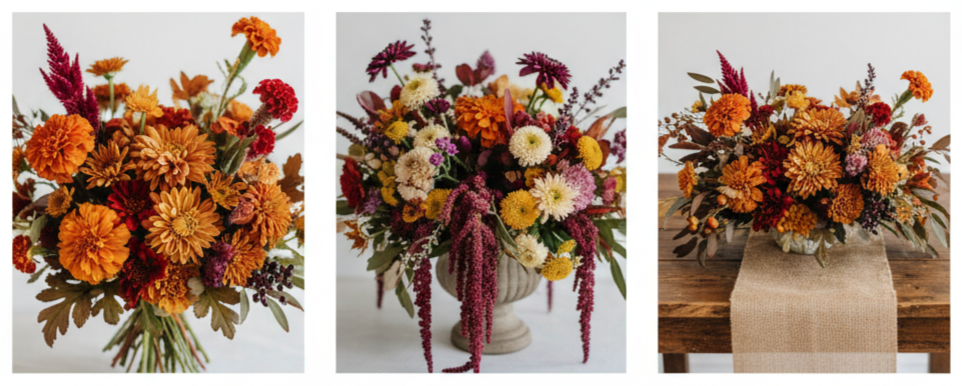
Fall Favorites
Fall weddings shine with rich, earthy tones. Marigolds and chrysanthemums bring warmth, while celosia and amaranthus add texture. These blooms complement rustic and bohemian themes beautifully.
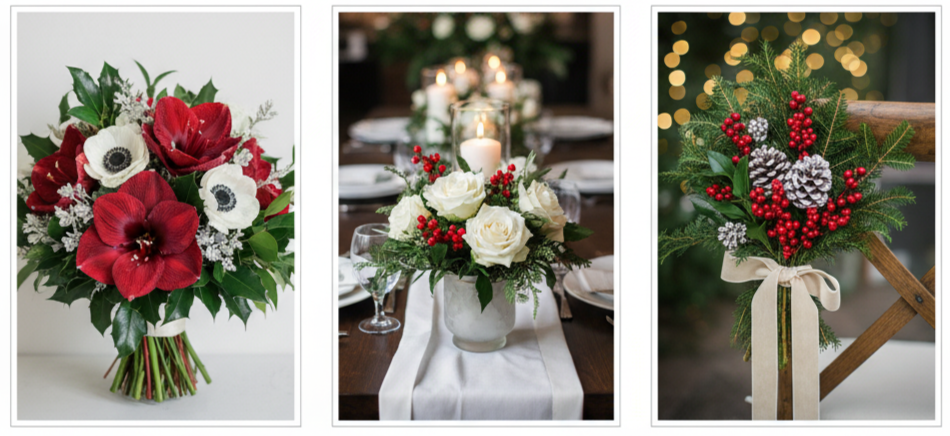
Winter Options
Winter weddings offer a unique charm. Amaryllis and anemones add drama, while white roses and pine accents bring in the season’s crisp elegance. Holly and evergreen touches give your décor a cozy, festive feel.
Wedding Flower Arrangements to Consider
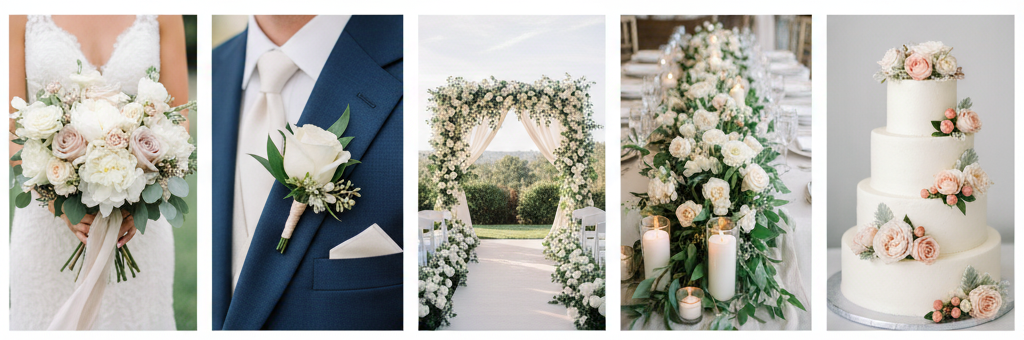
Your flower arrangements are what tie your entire day together. The bridal bouquet is your main floral piece and should reflect your personality and dress style. Bridesmaids’ bouquets often mirror the main bouquet but are smaller and simpler.
For the ceremony, arches and aisle flowers create a breathtaking backdrop. Boutonnieres and corsages add a personal touch for the wedding party and family members. At the reception, table garlands, centerpieces, and floral accents on the cake complete the look.
Every petal plays a part in creating the atmosphere—from walking down the aisle to dancing the night away.
Wedding Flower Trends
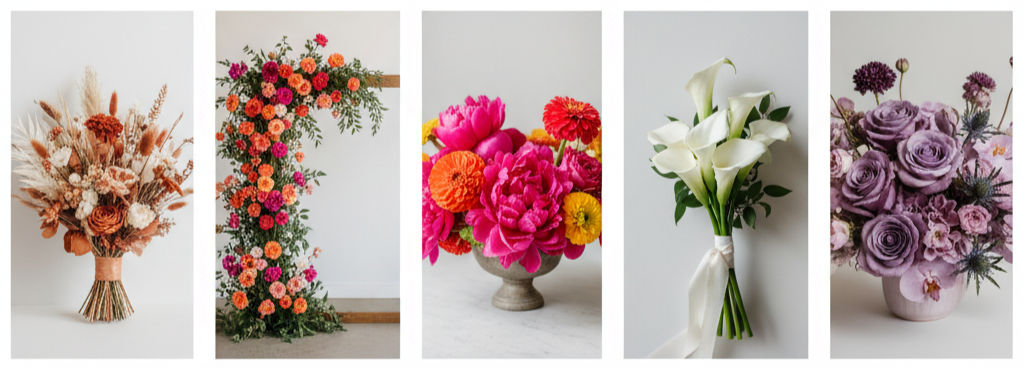
Modern weddings are all about creativity and sustainability. Dried and preserved florals are becoming increasingly popular, giving arrangements a rustic, textured look that lasts. Many couples are also opting for eco-friendly designs, like foam-free installations and locally sourced blooms.
Bright and bold colors are replacing the traditional whites and blush tones. Vibrant corals, oranges, and pinks are making big statements. On the other hand, minimalist bouquets featuring just a few standout flowers bring modern elegance. Monochrome designs—using one color in varying shades—are also on trend for a chic, cohesive look.
Key takeaway: Modern wedding flowers reflect individuality and sustainability, blending creativity with eco-conscious choices that feel timeless.
Tips for Working with a Florist
Working with a florist is all about communication and collaboration. Come prepared with ideas, photos, or even fabric swatches to help describe your style.
- Be Clear About Your Budget: Share your price range early so the florist can recommend suitable flowers and designs.
- Ask About Seasonal Options: Go for flowers that are in season for better prices and freshness.
- Do a Test Arrangement: Previewing your bouquet or centerpiece helps ensure you love the final look.
- Plan the Delivery: Confirm details about when and where the flowers will arrive and who’s setting them up.
A professional florist can transform your ideas into reality, ensuring your wedding blooms are as stunning as you imagined.
Budgeting for Wedding Flowers
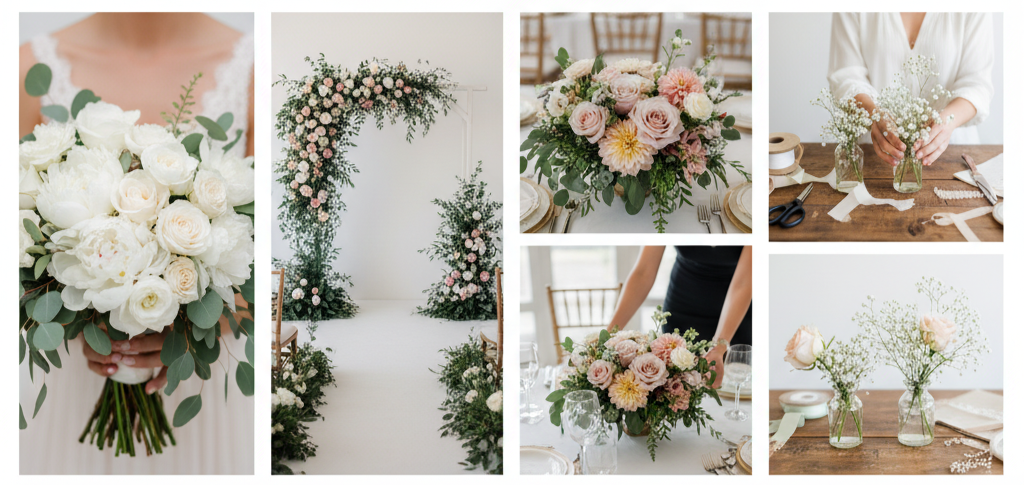
Wedding flowers can take up a good chunk of your budget—usually around 8–10% of the total cost. However, smart planning helps you get the most value without compromising on beauty.
- Focus on Priorities: Spend on key pieces like your bouquet, ceremony backdrop, and reception centerpieces.
- Mix and Match: Combine premium flowers with filler blooms or greenery like eucalyptus to balance costs.
- Repurpose Arrangements: Move flowers from the ceremony to the reception to stretch your budget further.
- DIY Small Pieces: If you enjoy crafting, consider creating simple floral accents yourself, like guest table vases.
With thoughtful planning, you can have show-stopping flowers that fit your budget perfectly.
Floral Styling for Different Wedding Themes
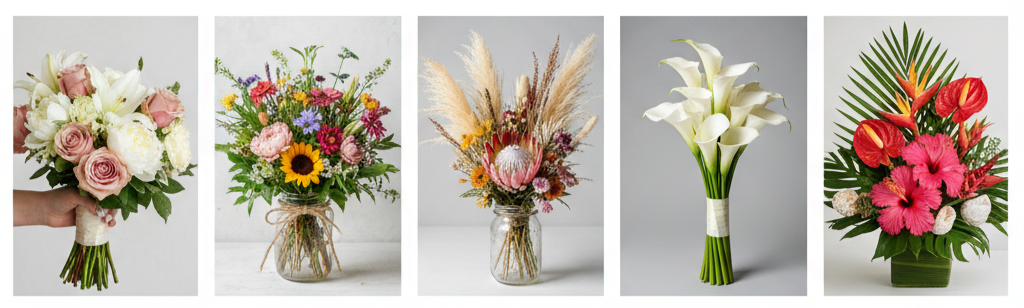
Every wedding theme tells a story, and your flowers bring that story to life. For timeless elegance, roses, peonies, and lilies in soft shades like blush or ivory create a sophisticated atmosphere. Rustic weddings shine with wildflowers, sunflowers, and plenty of greenery in wooden or mason jar containers.
Bohemian weddings favor dried flowers, pampas grass, and unique textures like protea. Modern weddings look sleek with monochrome arrangements of calla lilies or orchids. For beach celebrations, tropical flowers such as hibiscus and anthuriums pair beautifully with natural seashell details. And for a garden party vibe, loose, airy blooms like roses, lavender, and sweet peas make everything feel dreamy and romantic.
Preserving Wedding Flowers
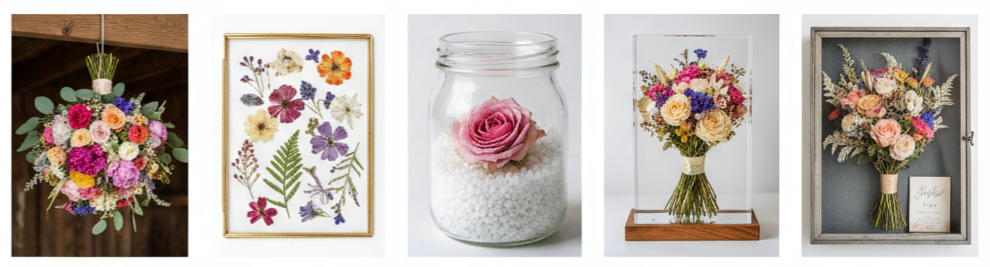
Your wedding day may be over, but your flowers can live on. Drying your bouquet is the easiest way to keep it—simply hang it upside down in a dry, dark space for a few weeks. Pressing flowers between heavy books or parchment paper also makes beautiful framed keepsakes.
If you want to retain the color and shape, try using silica gel to dry them. Or, you can go the professional route and have your bouquet preserved in resin, glass, or a shadow box. These lasting mementos are a lovely reminder of one of the most meaningful days of your life.
Conclusion
Wedding flowers do more than decorate the venue—they set the entire tone of your celebration. From the bridal bouquet to the reception table, every petal adds to your story. When you choose flowers that reflect your season, style, and personality, your wedding becomes a true expression of love and creativity.
Key takeaway: The perfect wedding flowers don’t just look good; they make your day feel cohesive, meaningful, and unforgettable.
FAQs
How do we choose flowers that won’t wilt in the heat?
Go for hardy options like orchids, calla lilies, sunflowers, or zinnias. These blooms handle outdoor weddings well without losing their shape.
What are some flower alternatives for allergic guests?
Use hypoallergenic flowers like roses, tulips, or hydrangeas. You can also incorporate more greenery or realistic faux blooms to reduce allergens.
Is it possible to rent wedding flowers?
Yes, many rental companies offer high-quality silk flower options for bouquets, arches, and centerpieces—perfect for saving money or destination weddings.
What should we avoid doing when picking wedding flowers?
Avoid choosing flowers that are out of season if you’re on a budget, and make sure your florist can handle your venue’s delivery and setup logistics.
Can we combine real and artificial flowers?
Definitely. Mixing both types can help you cut costs while still achieving a natural, cohesive look. Just make sure the colors and textures blend seamlessly.
Leave a Reply