2012 The Best Black And White Wedding Cakes
| Venue Type | Ideal Cake Design |
| Ballroom | Tall tiers, scrollwork, damask detail |
| Garden/Outdoor | Lace piping, floral accents |
| Rooftop/Modern Loft | Geometric shapes, minimal styling |
| Vintage-Inspired Hall | Pearls, lace textures, soft florals |
| Evening/Candlelit | Black fondant, silver accents, drama |
Why Black and White Wedding Cakes Made a Splash in 2012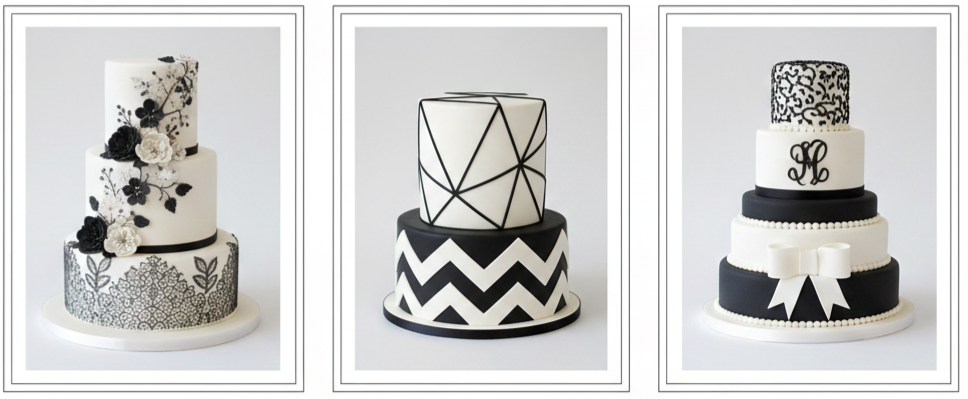
Black and white wedding cakes were everywhere in 2012, and they weren’t just a passing trend. Couples loved how the look felt elegant without feeling stiff, bold without feeling too dramatic, and timeless without looking outdated. The contrast made every detail pop, which is why these cakes worked so well for photography and reception décor. Whether the wedding theme leaned modern, vintage, glam, or minimalist, black and white cakes blended right in and still stood out in the best way.
A lot of couples in 2012 wanted wedding details that felt polished and intentional, and black and white cakes delivered that instantly. The palette looked clean and sophisticated, while the design options stayed endless. A cake could feel soft and romantic with lace and florals, or sharp and contemporary with geometric patterns and crisp fondant edges. That flexibility made these cakes a standout choice for couples who wanted their cake to feel like a centerpiece, not just dessert.
Cake Trends That Turned Heads That Year
Designers in 2012 leaned into texture, pattern, and structure. Instead of relying on bright colors or trendy shades, they used black and white as a foundation and then built interest through detail and contrast. These were the most noticeable trends that shaped the look of black and white wedding cakes that year: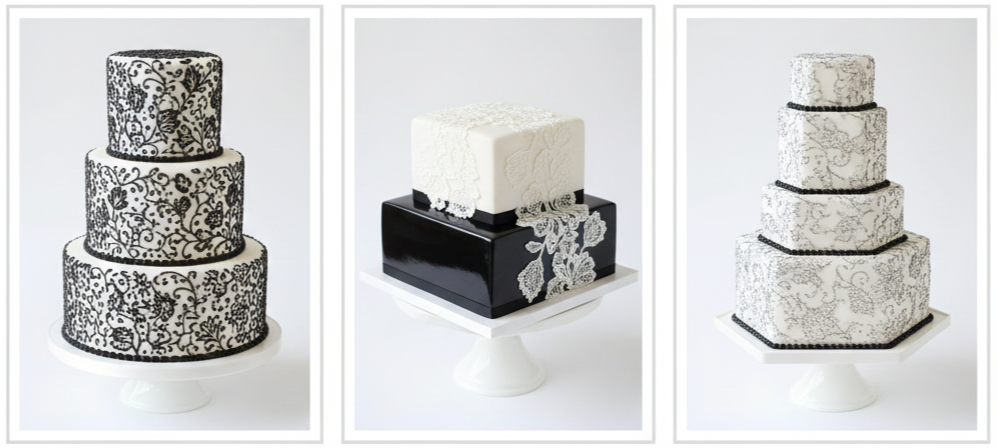
Lace-Inspired Detailing
Designers used piped icing, edible lace appliqués, or textured fondant to mimic bridal gown fabrics and add romantic depth to each tier.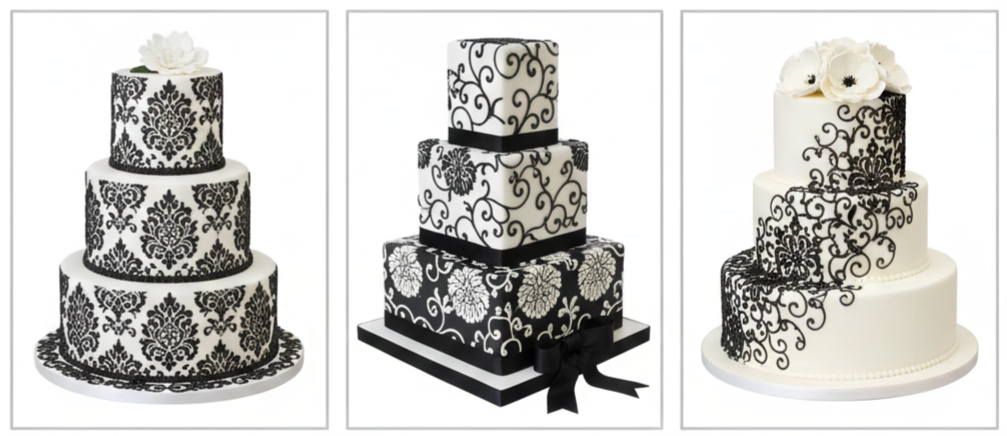
Damask And Scroll Patterns
Bold damask prints and elegant scrollwork gave cakes a formal, upscale feel that worked perfectly in classic venues.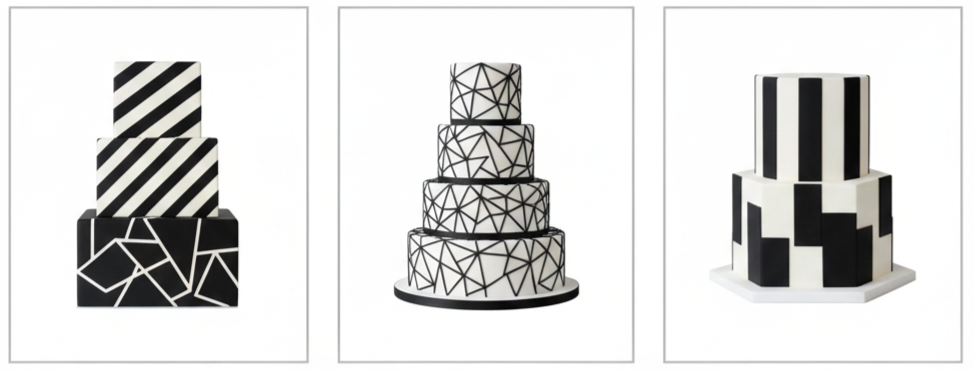
Geometric Lines And Modern Shapes
Clean lines, chevron patterns, and structured shapes became popular for couples who wanted something sharp, minimal, and contemporary.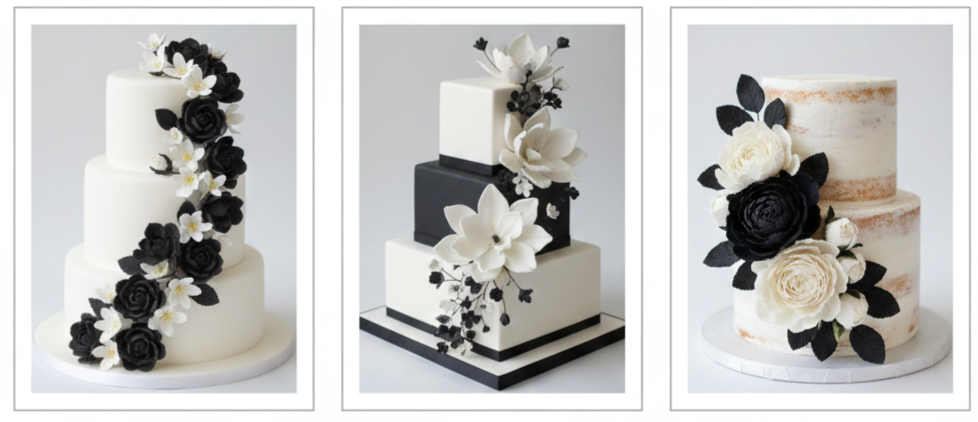
Monochrome Floral Accents
Sugar flowers in white or black added softness while keeping the palette clean and cohesive.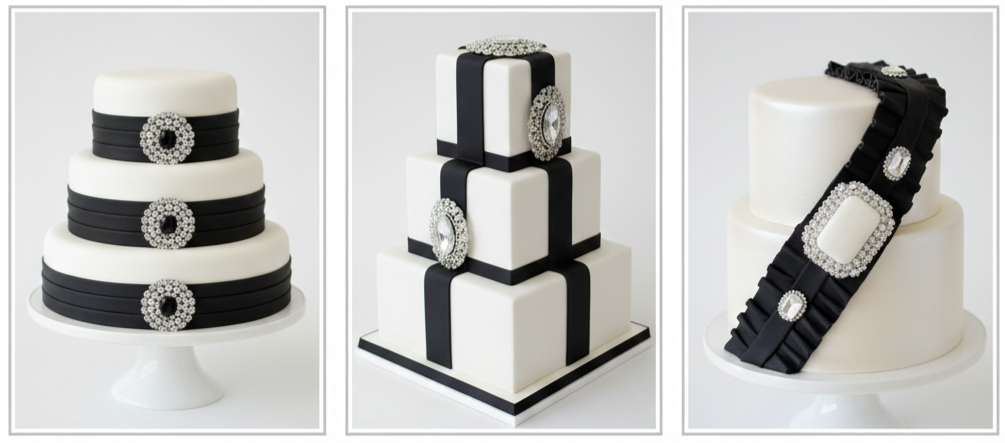
Ribbon And Brooch Finishes
Satin-style fondant ribbons and jewel-inspired cake brooches added texture and a vintage fashion vibe that looked stunning in photos.
Even when two cakes used the same colors, they rarely looked similar because designers had so many ways to play with texture. Some cakes looked delicate and lace-like, while others leaned bold and graphic. That variety is part of what made 2012 such a memorable year for black and white wedding cake design.
Different Styles That Ruled the Scene
In 2012, black and white cakes weren’t one-size-fits-all. Couples chose designs based on their venue, their theme, their personal style, and even their dress silhouette. These were the most popular cake styles that stood out that year: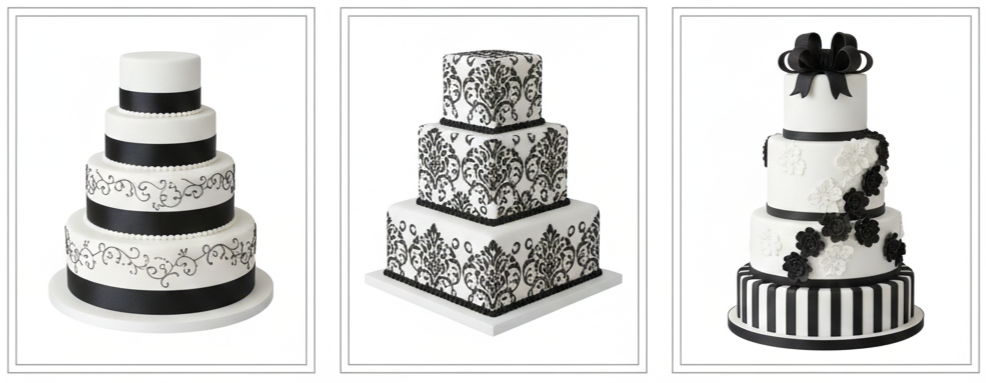
Classic And Tiered
Traditional multi-tier cakes stayed popular, usually featuring white fondant as the base with black ribbon trims, piping, or scrollwork. These designs looked formal and balanced, especially for ballroom receptions or traditional ceremonies.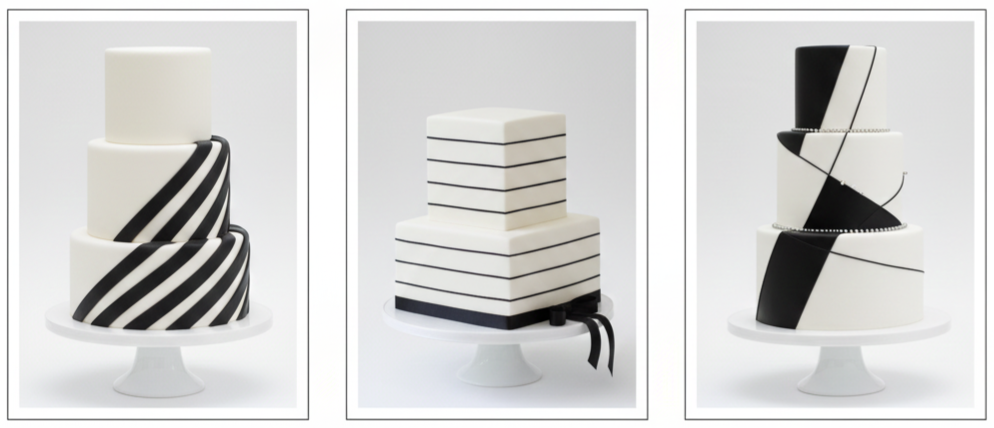
Sleek And Modern
Minimalist couples leaned into sharp edges, smooth fondant, and bold shapes. Designers used black accents in clean patterns like chevrons, stripes, or geometric panels, creating cakes that looked almost architectural.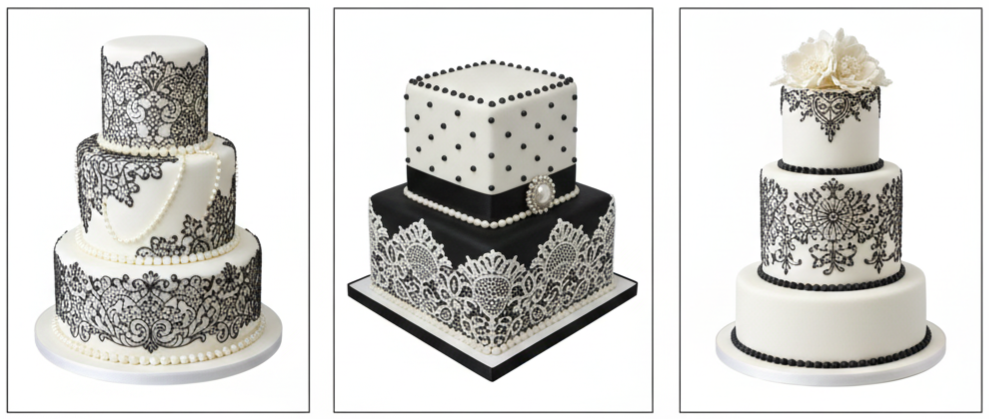
Vintage With Lace And Pearls
Vintage-inspired cakes focused on delicate piping, edible pearls, and lace-textured tiers. These cakes fit beautifully with lace gowns, classic bouquets, and romantic venue styling.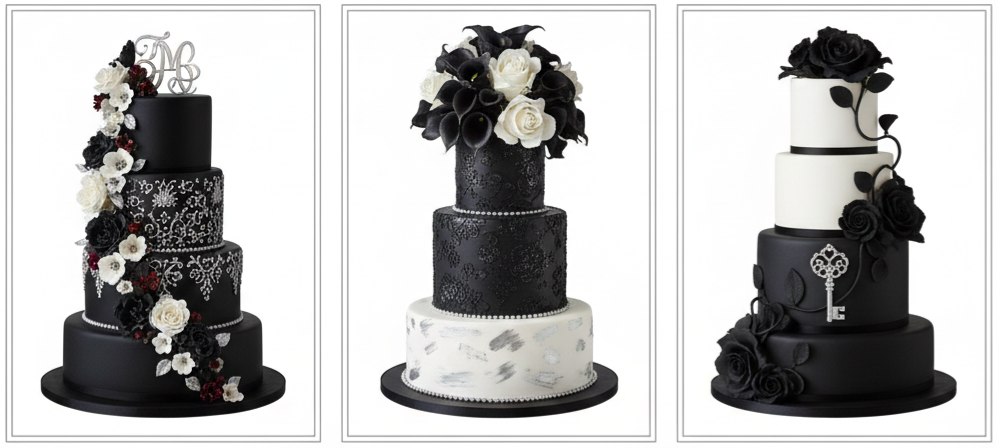
Gothic Romance Flair
Some couples chose deeper black fondant, dramatic floral toppers, silver detailing, and ornate designs that felt moody and bold. These cakes were perfect for evening weddings, candlelit receptions, or couples who wanted something striking and unconventional.
Each of these styles showed that black and white could feel soft, bold, classic, or modern depending on the details. That flexibility helped the trend last well beyond 2012.
Celebrity Weddings and Designer Influence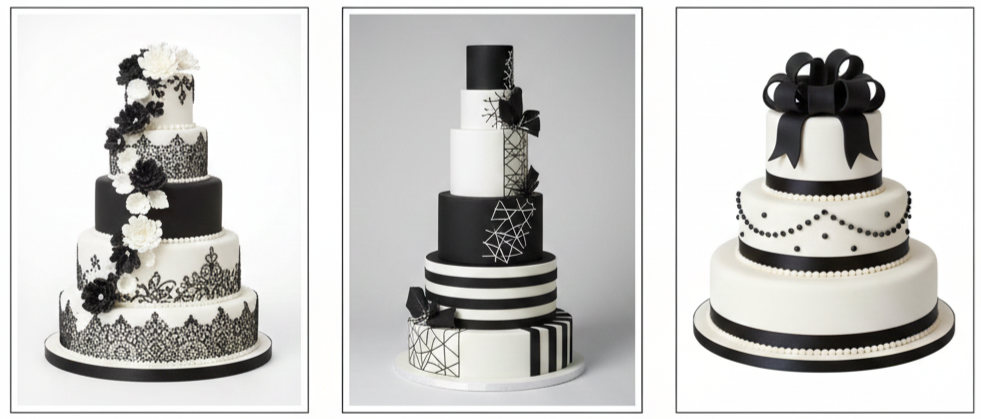
Celebrity style played a major role in shaping wedding trends in 2012. Even when couples didn’t follow celebrity weddings directly, high-profile events influenced what designers showcased at bridal expos and what couples requested in consultations. Black and white cakes became especially popular because they looked polished in professional wedding photos and fit the luxury aesthetic many celebrities leaned toward.
Top cake designers like Sylvia Weinstock and Ron Ben-Israel helped push monochrome cakes into the spotlight by presenting dramatic tiered designs that used contrast creatively. Their cakes often combined classic techniques with modern structure, inspiring bakers and couples to experiment with height, texture, and bold detailing. Wedding expos that year also featured towering black and white cake displays, from minimal modern styles to lace-heavy vintage designs, which helped make the look mainstream.
Even couples planning smaller weddings started asking for black and white cakes because the style felt elevated without requiring elaborate décor. The cake itself became the statement piece.
Personal Touches That Made Cakes Extra Special
Black and white cakes in 2012 stood out because they were easy to personalize without ruining the clean look. Couples found ways to bring personal meaning into the design while keeping everything refined. These were the most common custom touches that made cakes feel unique: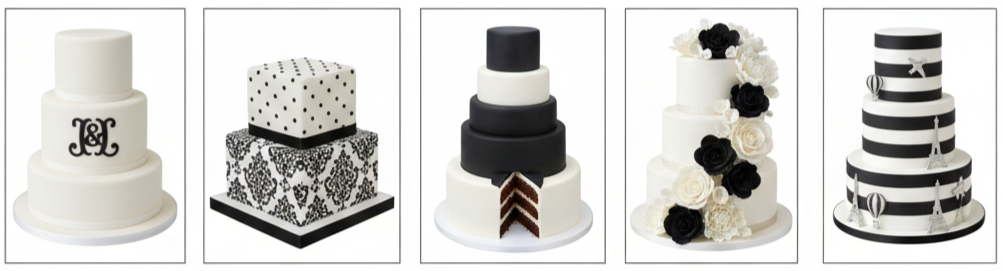
- Monograms And Initials: Couples often added a black monogram on a white tier, sometimes framed with scroll piping or a simple border for a clean, personal finish.
- Pattern Matching: Some couples requested patterns that matched their invitations, table linens, or dress lace. This created a cohesive visual theme across the entire wedding.
- Flavor Pairings With Contrast: Vanilla bean, dark chocolate, marble cake, and cookies-and-cream were popular because they matched the black-and-white theme from the inside out.
- Monochrome Sugar Flowers: Bakers used white roses with black centers, deep black calla lilies, or white peonies with dark accents to add contrast and elegance.
- Theme-Driven Details: Art deco weddings inspired angular patterns and metallic touches, while romantic weddings leaned into ruffles, lace textures, and floral designs.
These custom details helped couples feel like the cake reflected their story, not just a trend. A black and white cake could still feel personal, sentimental, and meaningful without needing bright colors or extra flair.
Things to Consider When Picking a Cake Like This
Choosing a black and white wedding cake in 2012 wasn’t just about picking a pretty design. Couples focused on how the cake worked with the space, the bridal style, and even the lighting. These were the most common decision points couples used: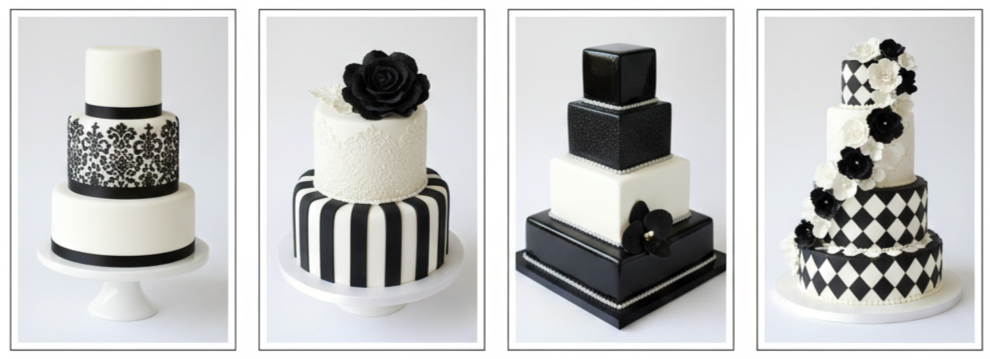
- Venue Style: Grand venues suited tall tiered cakes with bold scrollwork or dramatic contrast. Outdoor weddings and smaller venues usually worked better with softer lace textures and simpler silhouettes.
- Dress And Bridal Styling: Brides often matched cake details to their gown, especially lace piping, pearl accents, or elegant scroll patterns that echoed the fabric.
- Lighting And Photography: Black and white cakes photographed beautifully because contrast shows clearly in both natural light and dim reception settings. Designers paid close attention to detail placement so patterns stayed visible in photos.
- Balance Of Color: Bakers typically used white as the base and added black in controlled accents so the cake stayed elegant instead of overwhelming. When black fondant was used, designers added white florals or lighter patterns to keep the look balanced.
Black and white cakes also gave couples more freedom with décor. Since the cake already looked polished, the rest of the reception styling could be either simple or dramatic without clashing.
Why These Cakes Still Work Today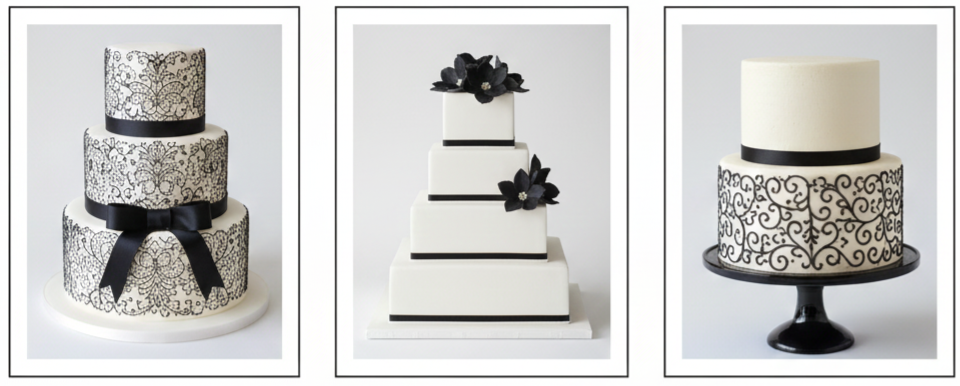
The best black and white wedding cakes from 2012 still hold up today because they were built on timeless design principles. They didn’t rely on trendy colors that fade quickly. Instead, they used contrast, texture, and balance, which always look stylish. Modern couples still choose black and white cakes because they work in every season and match almost every wedding theme.
Today’s bakers still pull inspiration from 2012 designs, especially lace-style piping, clean fondant tiers, and black accent work like ribbons or scroll patterns. Many couples now add modern touches like metallic finishes, textured buttercream, or simplified floral toppers, but the core appeal remains the same. Black and white cakes still communicate elegance immediately, whether the style is classic, modern, romantic, or bold.
These cakes also remain popular because they look high-end without needing excessive decoration. A clean monochrome cake with the right detailing still feels like a luxury centerpiece.
Conclusion
Black and white wedding cakes from 2012 weren’t just trendy, they changed what wedding cake design looked like moving forward. They showed that contrast could feel timeless, and that simple colors could still create bold impact. Whether the cake featured lace piping, damask patterns, sleek geometry, or dramatic florals, each design proved that black and white could carry a wedding’s visual style all on its own. Even years later, couples still look back at 2012 cakes because the designs feel refined, flexible, and unforgettable.
Key Takeaway: Black and white wedding cakes from 2012 became iconic because they blended timeless elegance with bold contrast, offered endless design options, and still inspire modern wedding cake trends today.
FAQs
What types of venues worked best for black and white cakes in 2012?
Ballrooms and formal venues worked best for tall tiered cakes with detailed scrollwork, while outdoor venues looked great with softer lace textures and simpler designs.
Were black and white cakes only for formal weddings?
Not at all. Black and white cakes worked for both formal and casual weddings because the details could be adjusted. Sleek styles suited modern weddings, while lace and florals fit softer themes.
How did bakers keep black accents from overpowering the cake?
Designers usually used white as the base and added black only through patterns, ribbons, or borders. When black fondant was used, they balanced it with white flowers or light detailing.
What kinds of flowers were popular on these cakes?
Sugar roses, peonies, orchids, and black-centered anemones were common. Some couples chose all-white flowers, while others used black blooms for contrast.
Are black and white cakes still trendy today?
Yes, black and white cakes remain popular, especially with modern updates like textured finishes, metallic accents, or simplified floral toppers. The classic contrast still feels stylish and timeless.
Leave a Reply