2013 Hot Ribbon Wedding Invitations
| Ribbon Type | Best For |
| Satin | Classic or formal weddings |
| Grosgrain | Modern or minimalist styles |
| Organza | Spring or garden weddings |
| Lace | Vintage or romantic themes |
| Burlap/Twine | Rustic or outdoor weddings |
| Velvet | Winter or evening weddings |
Why Ribbon Wedding Invitations Were a Big Deal in 2013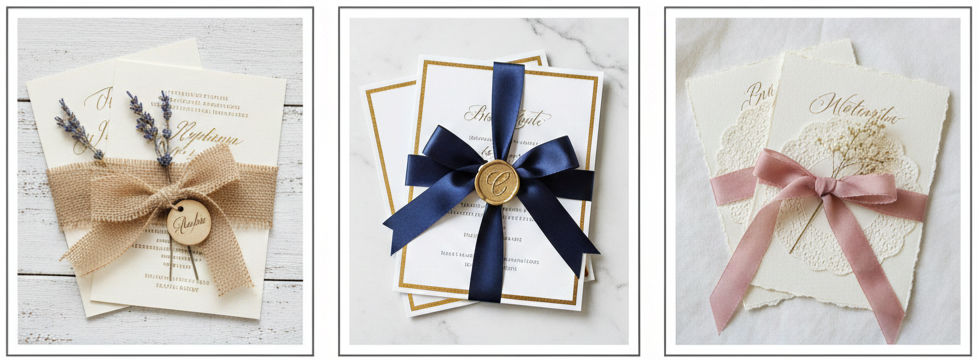
Ribbon wedding invitations were everywhere in 2013, and it made total sense. Couples wanted their invites to feel personal and stylish, not plain or overly formal. Ribbons gave invitations that extra touch that made guests pause before even opening the envelope. The moment someone saw a neatly tied bow or a ribbon wrap holding everything together, it instantly felt more thoughtful and intentional.
A big reason ribbons became so popular was the rise of romantic, vintage, and handmade wedding themes. Weddings in 2013 leaned heavily into softness, delicate details, and textures that looked handcrafted. Ribbons fit perfectly into that trend because they added depth and charm without needing complicated designs. Even a simple invitation looked elevated when paired with the right ribbon.
Ribbon accents also worked for almost every wedding style. A rustic outdoor wedding could use twine or burlap, while a black-tie wedding could use satin or velvet. That flexibility made ribbon invitations a go-to choice for couples who wanted their stationery to match their theme without feeling limited.
Types of Ribbons That Took Center Stage
Different ribbons created different moods, and 2013 couples had plenty of options. Some ribbons were soft and romantic, others were structured and modern, and some were bold enough to become the main design detail. The texture and finish mattered just as much as the color.
Satin Ribbons
Satin ribbons were smooth, shiny, and instantly elegant. They worked best for classic wedding suites, especially when paired with letterpress printing, metallic foil details, or monograms.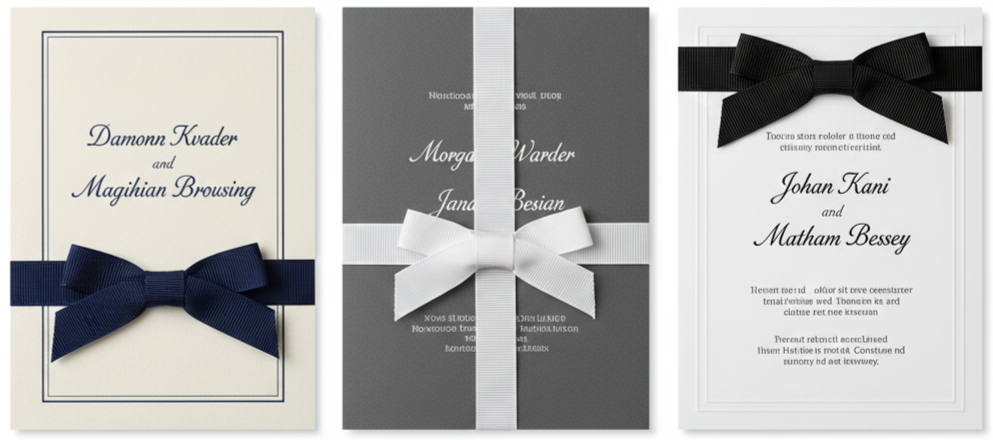
Grosgrain Ribbons
Grosgrain had a ribbed texture that felt more structured and crisp. It was a popular choice for modern weddings because it looked clean and tailored rather than soft and flowy.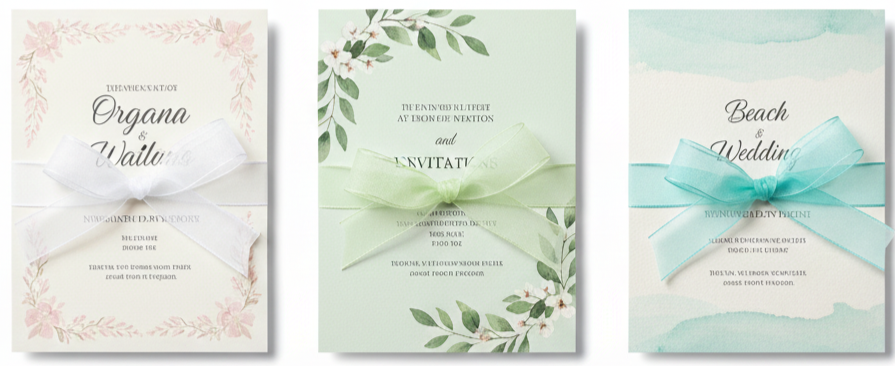
Organza Ribbons
Organza ribbons were sheer and lightweight, which made them perfect for spring and summer weddings. They added softness without hiding the invitation design underneath.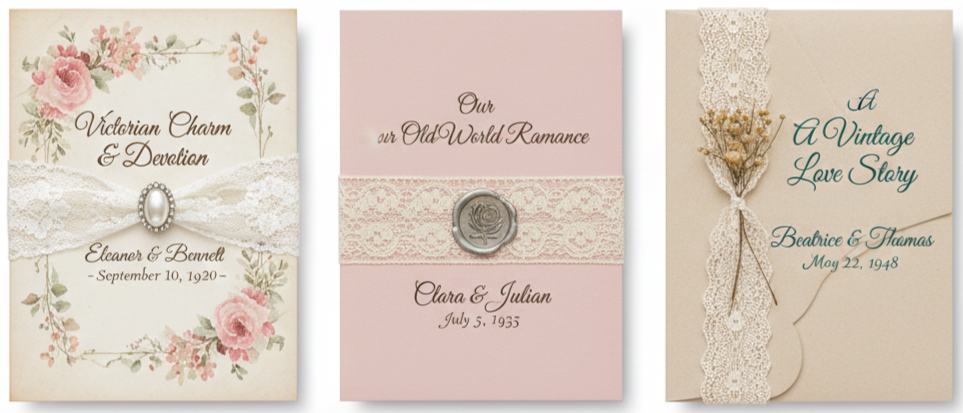
Lace Ribbons
Lace ribbon gave invitations a vintage and romantic look. Brides who loved antique-inspired weddings used lace to create a delicate, old-world feel that matched floral themes and soft palettes.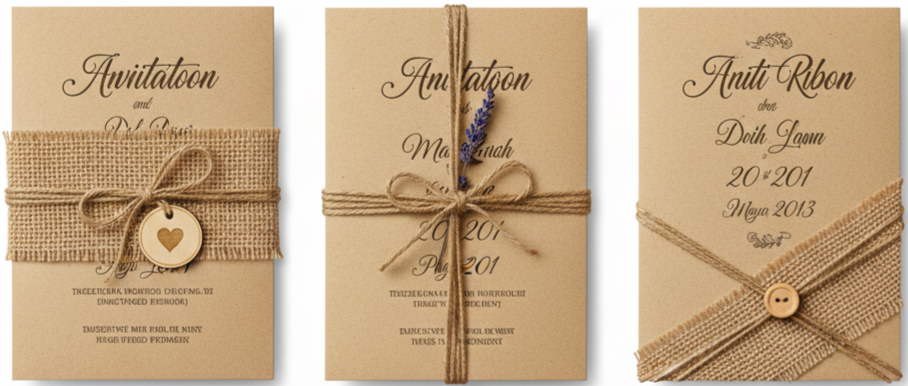
Burlap And Twine Ribbons
Rustic weddings were booming in 2013, and burlap or twine was a natural fit. These materials worked beautifully with kraft paper, wooden details, and handwritten calligraphy.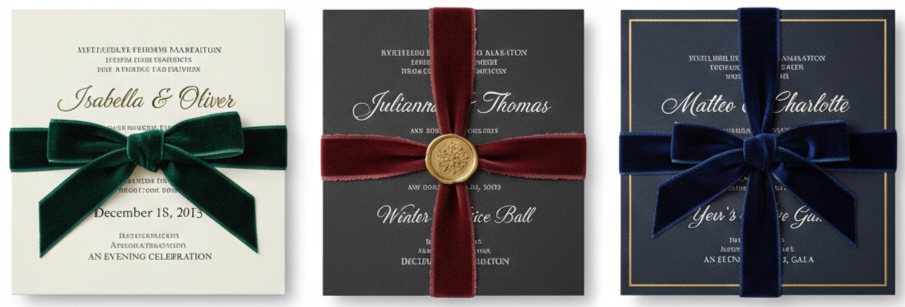
Velvet Ribbons
Velvet added drama and richness, making it ideal for winter weddings or evening celebrations. It created a luxurious look without needing extra embellishments.
Ribbon Styles That Defined 2013 Invitation Trends
Ribbons didn’t just sit on top of the invite as decoration. In 2013, designers used ribbon as part of the structure of the invitation suite. It held pieces together, acted as the “closure” for envelopes, or became the feature that tied the entire set into one cohesive bundle.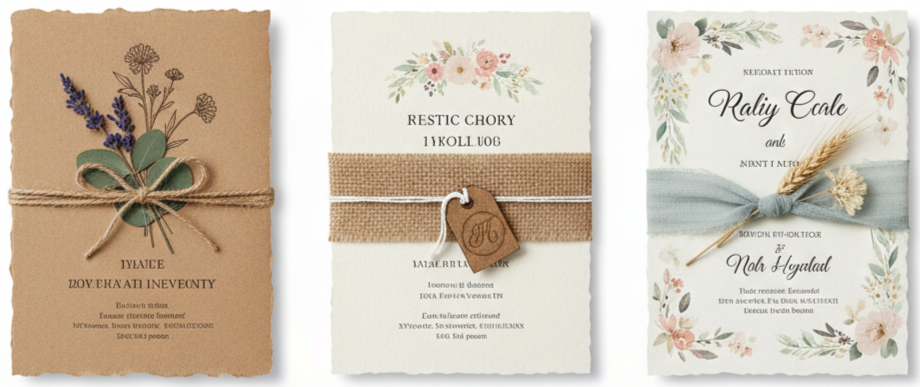
Rustic Charm
Rustic ribbon invitation styles focused on natural textures. Twine, burlap, and kraft paper were paired with soft florals, deckled edges, and sometimes even dried herbs. This style felt warm and handmade, which was exactly what many couples wanted.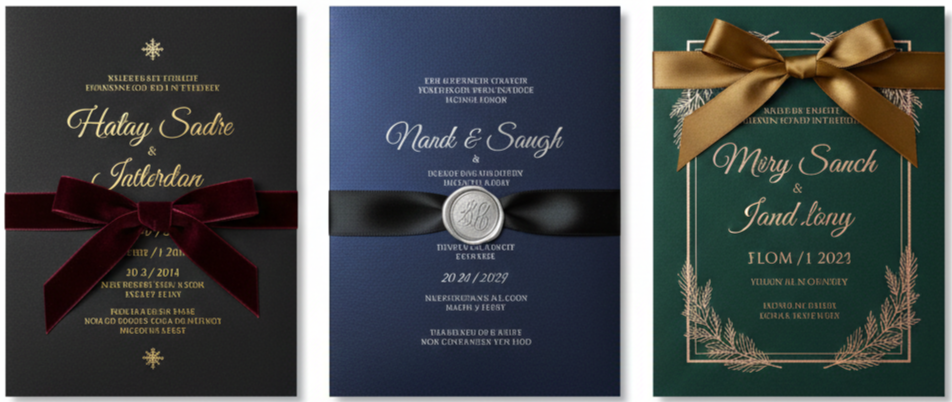
Glamorous Finishes
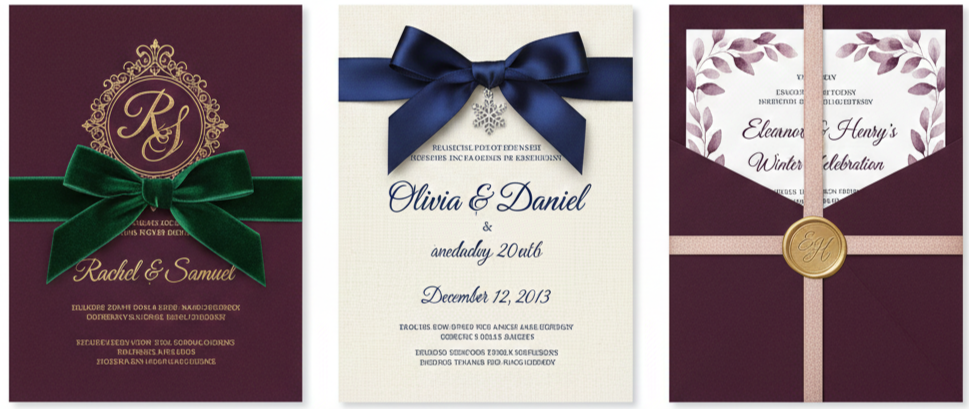
For formal weddings, satin or velvet ribbons in deep colors like navy, black, or burgundy looked sleek and polished. These invitations often featured foil stamping, thick cardstock, and refined typography.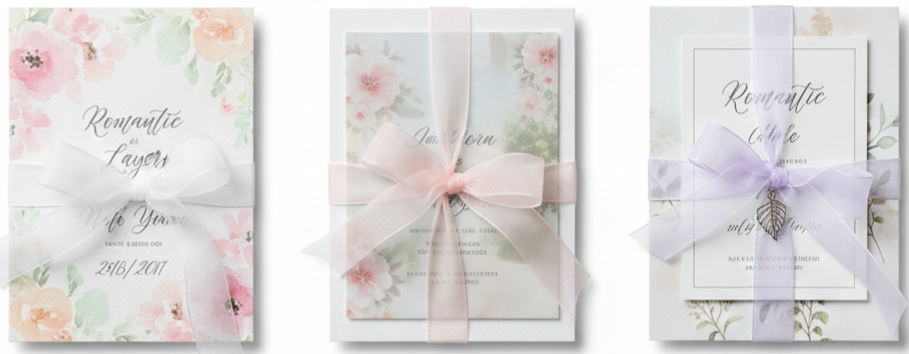
Romantic Layers
Soft layered invitation suites were a favorite for garden weddings and spring celebrations. Organza ribbons tied over watercolor florals, pastel prints, and dreamy layouts created a light and romantic feel.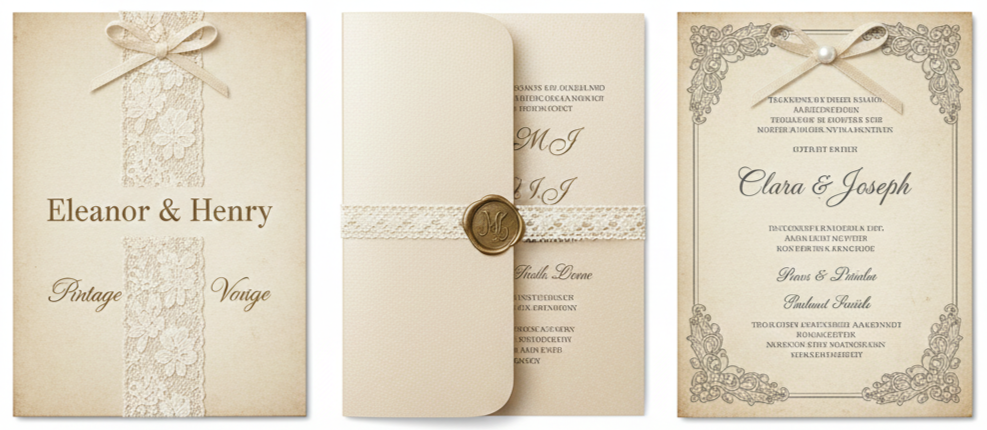
Vintage-Inspired Themes
Lace ribbon paired with antique paper tones and vintage fonts created invitations that felt nostalgic. Many couples leaned into old-fashioned charm through delicate textures and classic colors like ivory and champagne.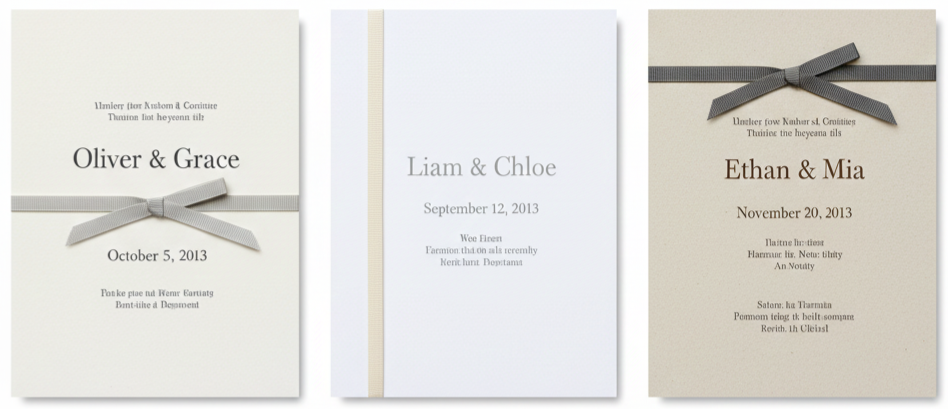
Minimalist And Modern
Modern couples used thinner grosgrain ribbons in neutral tones to add just enough detail without overwhelming the design. These invites usually had clean layouts, simple typography, and subtle textures.
Color Palettes That Made Ribbon Invites Pop
In 2013, ribbon color choices weren’t random. Couples used ribbon to create contrast, highlight their theme, and set the tone for the wedding day. Some chose ribbons that blended into the suite for a soft look, while others chose bold ribbon colors to make the invitation feel dramatic and memorable.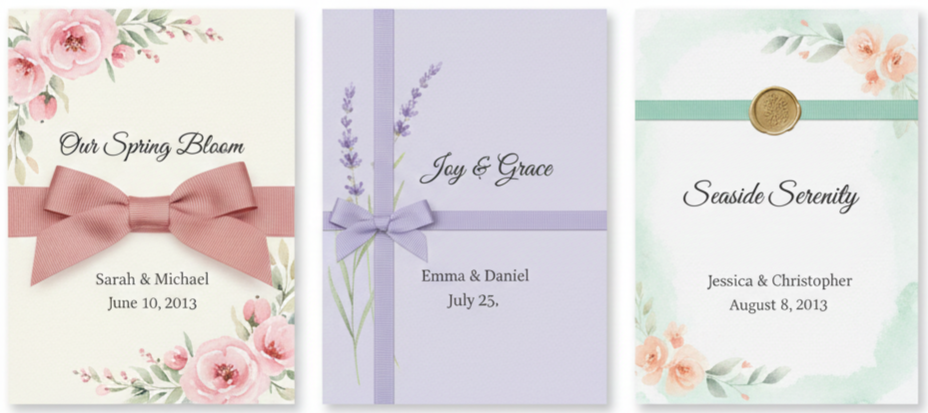
Soft Pastels
Blush, lavender, mint, peach, and soft blue were extremely popular for spring and summer weddings. Pastel ribbons added romance and worked beautifully with floral designs.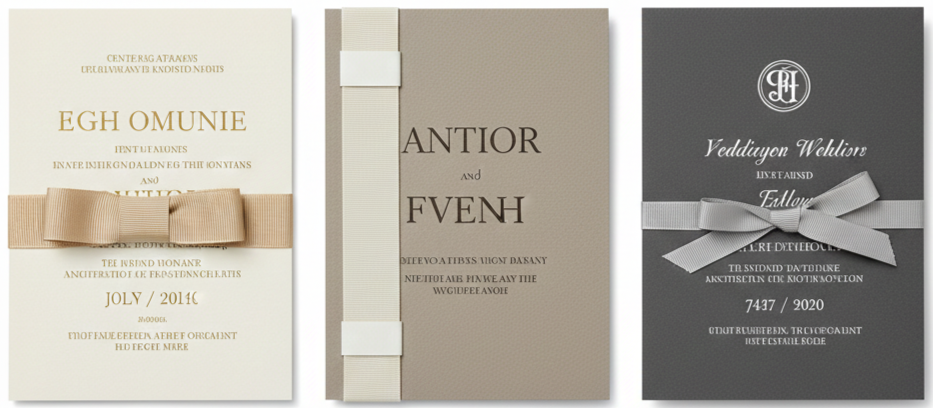
Neutral Elegance
Champagne, ivory, taupe, and gray were timeless choices. Neutral ribbons created a polished look and allowed the texture of the ribbon to stand out without making the invitation feel too busy.
Bold Jewel Tones
Fall and winter weddings leaned into deep colors like emerald, navy, burgundy, and plum. Velvet and satin ribbons in these tones created a luxurious feel and instantly made the suite look formal and upscale.
Metallic Touches
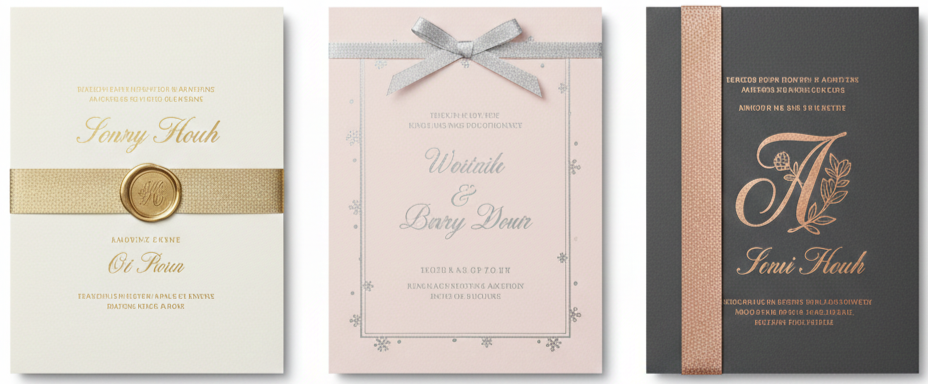
Gold, silver, and rose gold ribbons were used for glam weddings and evening receptions. Metallic ribbons paired well with foil stamping and added shine that looked beautiful in photos.
DIY vs. Custom Ribbon Invitations—What Worked Best
In 2013, DIY weddings were incredibly popular, and ribbon invitations were one of the most common projects couples tackled. Ribbon made it easy to create something unique without needing a professional printer for everything. Couples could order simple printed invitations and then personalize them with ribbon wraps, bows, or tied bundles at home.
DIY ribbon invites worked best for couples who had smaller guest lists and enough time to assemble everything carefully. The biggest benefit was customization. Couples could choose exactly the ribbon type, width, and tying style that matched their theme. It also gave invitations that handmade touch guests appreciated.
However, DIY came with its own challenges. Ribbon invitation assembly could take hours, especially when the suite included multiple inserts. If ribbons weren’t cut evenly or tied consistently, the final look could feel messy instead of polished. Sourcing quality ribbon was also important because cheap ribbon frayed easily or looked dull.
Custom ribbon invitations were the better option for couples who wanted a clean, consistent look without spending weeks assembling stationery. Professional stationers knew how to attach ribbon securely and choose materials that matched the paper and print style. Although the cost was higher, the finished invitations were usually flawless and ready to mail.
A popular middle option was ordering professionally printed invitations, then adding ribbon details at home. This gave couples a professional base design with the added charm of a handmade finish.
Fun Ways Couples Used Ribbons Beyond the Invitation
Ribbons weren’t limited to stationery in 2013. Once couples chose a ribbon color and style for their invitations, many carried it throughout the wedding to make the entire event feel coordinated.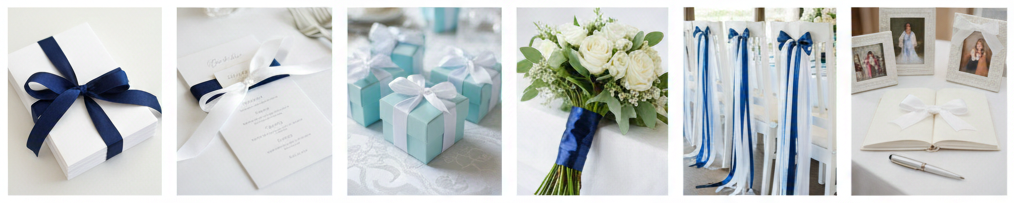
- Ceremony Programs: Couples tied programs with the same ribbon used on their invitations. This created a consistent look and made even simple programs feel polished.
- Escort Cards And Place Settings: Ribbon showed up on escort cards, menus, and napkin wraps. Some couples tied ribbon around menus or used it to secure name cards for a clean and elegant presentation.
- Favor Packaging: Small favor boxes and treat bags were often tied with ribbon in the wedding colors. It made the favors feel more thoughtful and created a pretty display at the reception.
- Bouquet Wraps: Brides and bridesmaids wrapped bouquets with matching ribbon to tie the stationery and florals together. This looked beautiful in photos and added a soft detail to the bouquet.
- Reception Decor: Ribbons were used for chair décor, backdrop designs, and table accents. Even a few ribbon strands added softness and movement to the space.
- Guest Books And Memory Displays: Couples used ribbon to decorate guest books, bind photo albums, or add detail to memory tables. It helped the decor feel consistent without needing extra expensive elements.
Conclusion
The ribbon wedding invitation trend of 2013 was more than just a design phase. It reflected how couples wanted weddings to feel personal, textured, and thoughtfully styled from the very first impression. Ribbon added dimension and charm in a way that print alone could not. Whether couples chose satin for elegance, twine for rustic warmth, or lace for vintage romance, ribbon invitations helped set the tone for a wedding that felt intentional and memorable. The best part was how adaptable the trend was, since ribbons worked beautifully across nearly every style, color palette, and season.
Key Takeaway: Ribbons were not just decoration in 2013. They were a simple and versatile design detail that added texture, personality, and a polished finish to wedding invitations, while also creating a consistent look across the entire wedding experience.
FAQs
How should I mail ribbon-tied wedding invitations to keep them safe?
Use padded mailers or invitation boxes instead of thin envelopes. This prevents ribbons from getting flattened, creased, or damaged during delivery. Many couples also requested hand-canceling at the post office to reduce machine handling.
What’s the best way to attach ribbons without damaging the paper?
Double-sided tape and glue dots are the most reliable for clean results. For thicker ribbons, a small amount of hot glue works, as long as it’s applied lightly to avoid warping the paper.
Can I use more than one type of ribbon in the same invite suite?
Yes, mixing ribbon types can look beautiful when done intentionally. Satin paired with lace creates a romantic look, and grosgrain paired with organza can balance structure with softness. Keep the colors consistent so the suite still feels cohesive.
What ribbon width works best for wrapping around invitations?
A ribbon between ½ inch and 1 inch is the most versatile. Thinner ribbons look modern and minimal, while wider ribbons make the ribbon a focal detail. The best width depends on how bold you want the wrap to appear.
Can ribbon elements be incorporated into digital wedding invitations?
Digital invitations cannot include physical ribbon, although designers can mimic the look using ribbon textures and graphic elements. This works well for couples who want the aesthetic without mailing physical stationery.
Leave a Reply