Tips Regarding Your Wedding Reception Songs
| Reception Moment | Suggested Music Style |
| Guest Arrival | Soft acoustic or instrumental |
| Cocktail Hour | Light jazz, acoustic covers |
| Wedding Party Entrance | Upbeat pop or celebratory tracks |
| Dinner | Mellow background songs |
| First Dance | Romantic, slow ballad |
| Parent Dances | Heartfelt, sentimental tracks |
| Open Dance Floor | High-energy dance hits |
| Cake Cutting | Playful or sweet-themed songs |
| Bouquet/Garter Toss | Fun and lively selections |
| Final Dance | Sentimental or crowd-pleasing anthem |
Understanding the Flow of the Wedding Reception
Your wedding reception moves through several key moments, and each one deserves the right soundtrack. From the time guests walk in to the last song of the night, music guides the mood and energy. That’s why it’s helpful to understand how the evening unfolds so you can match songs to the flow.
- Guest Arrival and Cocktail Hour: Light, acoustic music or soft instrumental covers keep things warm and welcoming as guests mingle.
- Wedding Party Entrance: Upbeat tracks help set an exciting tone as you and your wedding party are introduced.
- Dinner: Choose soft background music that allows people to talk without shouting. Acoustic love songs or mellow jazz usually work well.
- First Dance: This is one of the most emotional parts of the night. Pick a song that reflects your relationship or personal journey.
- Parent Dances: Songs for the father-daughter and mother-son dances should feel heartfelt and meaningful, without being overly emotional.
- Dance Floor: Time to raise the energy with high-tempo hits, throwbacks, and crowd-pleasers that everyone can enjoy.
- Cake Cutting and Toss Events: Use fun or playful songs to highlight these traditions.
- Final Song: Whether you choose a romantic ballad or a high-energy sendoff, this last song should close out the night on a memorable note.
Matching Songs to the Mood of the Moment
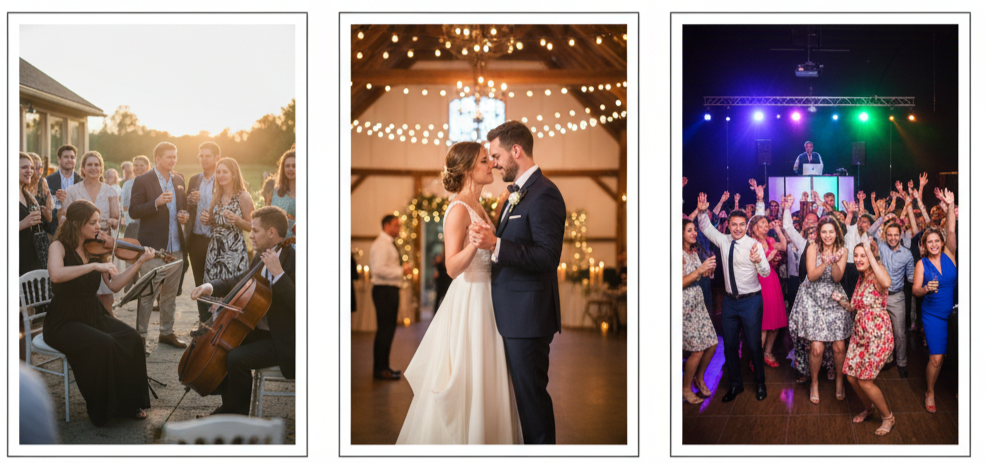
Choosing songs that match each phase of your reception helps everything feel seamless. Music should support the vibe—not compete with it.
- Cocktail Hour and Dinner: Keep it light and easy with songs that fill the space without stealing the show. Go for soft acoustic playlists, instrumental versions of popular songs, or jazz standards.
- First Dance and Parent Dances: These are intimate, meaningful moments. Pick slow songs with lyrics that reflect love or family bonds. Whether you go classic or modern, make sure the words and tempo suit the moment.
- Dance Floor: This is where your playlist comes to life. Aim for a mix of eras and genres to keep people moving. Think of songs that everyone knows and loves, from old-school funk to today’s biggest hits.
Key takeaway: Each part of your reception has a different tone. Match your music to the moment for a smooth and memorable experience.
Creating a Personal and Meaningful Playlist

Your wedding playlist is your chance to tell your story as a couple. It should include music that’s personal to you, not just what’s trending.
- Shared Memories: Include songs that have played a part in your relationship—maybe your first concert together, a road trip anthem, or the tune playing during your proposal.
- Cultural Touches: If your family traditions include music from your heritage, blend those into your playlist to give it deeper meaning.
- Event Theme: Planning a vintage-style wedding or a beachside ceremony? Pick music that supports the atmosphere and style.
When you make it personal, the music becomes more than entertainment—it becomes part of the story you’re sharing with your guests.
Selecting Songs for Your First Dance and Parent Dances
Your first dance deserves a song that means something to you. Whether it’s slow and romantic or fun and playful, it sets the tone for the rest of the celebration.
- First Dance: Choose something with lyrics that speak to your journey together. If you’re nervous about dancing, go with a track that has a steady, easy rhythm.
- Parent Dances: These should reflect the relationship between you and your parent. Ask them if they have preferences or memories tied to certain songs. You can also include a sibling, grandparent, or close mentor if you’re adapting the tradition.
The goal is to make the moment feel comfortable, not choreographed. Pick songs that make you feel relaxed and emotionally connected.
Why You Need a “Do Not Play” List
Just like you have a “must play” list, it’s smart to have a “do not play” list too. Some songs just don’t fit the mood—or your personal taste.
- Avoid Overplayed Tracks: Songs like “YMCA” or “Chicken Dance” may not match the tone you want.
- Watch the Lyrics: Make sure none of the songs have language or themes that could feel inappropriate during your celebration.
- Guest Requests: Some guests may ask for songs you’d rather skip. A do-not-play list gives your DJ or band the freedom to say no without making it awkward.
Sharing this list upfront helps your music professional deliver a playlist that feels true to your vision.
Working With Your DJ or Band
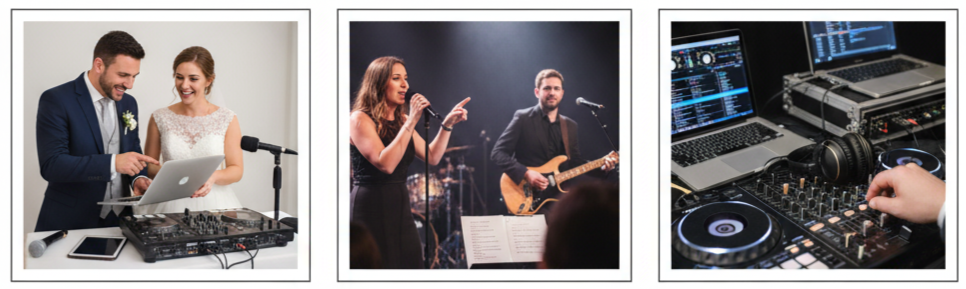
Your DJ or band will guide the entire evening’s energy, so building a strong connection with them matters. Be clear about your expectations, preferences, and must-have songs.
- Timeline and Flow: Share your ceremony and reception schedule with them so they can prepare music for every moment.
- Song List and Restrictions: Let them know what songs you absolutely want—and which ones you don’t.
- Requests and Transitions: Ask how they handle guest requests and whether they adapt in real time based on the crowd’s mood.
- Equipment and Setup: Confirm that they have backup gear and arrive early to set up before guests arrive.
When you’re both on the same page, you won’t have to stress about music during the event. Trust their judgment, but make your preferences clear early on.
Keeping All Ages and Musical Tastes in Mind
Weddings bring together people of all ages, and it’s worth building a playlist that offers something for everyone. Your grandma probably won’t dance to EDM, and your younger cousins might not vibe with 70s slow jams.
- Blend Generations: Mix it up with tracks from different decades—some Motown, a few 80s hits, some 90s throwbacks, and a few top 40 bangers.
- Alternate Energy Levels: Don’t play high-energy songs back-to-back for too long. Mixing in slower tracks helps guests catch their breath and keeps them from burning out.
- Family Favorites: Ask close family members if they have any song suggestions. A couple of well-placed requests can make the night feel more personal and inclusive.
Aim for balance so everyone has a reason to get up and dance—even just once.
Allowing Room for Flexibility and Spontaneity
Even with a carefully crafted playlist, wedding receptions don’t always go exactly as planned—and that’s okay. The best parties feel natural, not scripted.
- Let the DJ Adjust: A skilled DJ or bandleader knows how to read the room. If something isn’t working, they’ll pivot and keep the energy alive.
- Avoid Overplanning: Don’t fill the entire schedule with must-play songs. Leave space for unexpected moments and crowd requests.
- Expect the Unexpected: Maybe someone surprises you with a song dedication, or a dance-off breaks out in the middle of the floor. Go with it. Those are the moments people remember.
Planning ahead matters, but being open to change keeps the celebration fun and full of life.
Conclusion
Music is the heart of your wedding reception. It sets the tone, creates the vibe, and brings people together in celebration. By planning a thoughtful playlist, coordinating with your music professionals, and allowing space for spontaneity, you give your guests an experience they’ll talk about long after the night ends. From the first song to the last dance, make each moment feel like your own.
Key takeaway: A well-planned wedding playlist tells your love story, keeps the crowd engaged, and makes every part of your reception feel natural, exciting, and memorable.
FAQs
How many songs should we prepare for the reception?
Plan around 15 songs per hour for a typical 4-hour reception. That totals about 60 songs, but adding 10 to 15 extras gives you a solid buffer.
Can we include music from different cultures?
Yes. Cultural or language-specific music makes the celebration more personal and inclusive, especially if it reflects your heritage or your guests’ backgrounds.
Is it okay to skip traditional dances?
Definitely. You’re not required to do a first dance or parent dances. You can skip them, replace them, or create a new tradition that feels right to you.
Do we need to pick every song ourselves?
Not at all. Just choose music for the key moments. Your DJ or band can handle the rest and adjust the playlist based on the crowd.
When should we send the final playlist to the DJ or band?
Aim to finalize and send everything—song list, do-not-play list, and schedule—about three to four weeks before your wedding.
Leave a Reply