2016 Wedding Trends
| Palette Type | Key Colors | Common Uses |
| Pastels | Rose Quartz, Serenity | Dresses, florals, invitations |
| Metallics | Rose Gold, Copper, Brushed Gold | Décor, tableware, accents |
| Earthy Neutrals | Taupe, Sage, Stone Gray | Rustic themes, outdoor venues |
| Jewel Tones | Emerald, Burgundy, Sapphire | Fall/winter weddings, fabrics |
Elegant and Contemporary Color Palettes
In 2016, wedding colors leaned soft, romantic, and modern at the same time. Couples moved away from harsh contrasts and instead picked shades that felt calming and polished. Pantone’s famous pairing of Rose Quartz and Serenity became the foundation for a lot of wedding palettes that year, and it showed up everywhere—from bridesmaid dresses and floral arrangements to table linens and invitation suites. These colors worked well for both indoor and outdoor weddings, especially when paired with warm neutrals or metallic accents.
We also saw a strong rise in metallic tones that gave wedding décor a sleek and elevated feel without looking overly formal. Rose gold, copper, and brushed gold became go-to choices for centerpieces, flatware, candle holders, and even cake decorations. For couples who wanted a more nature-inspired style, earthy neutrals like taupe, sage, and stone gray were popular because they blended beautifully with rustic venues and outdoor spaces. Fall and winter weddings leaned into jewel tones like emerald, burgundy, and sapphire, which added richness and made everything feel dramatic and luxurious, especially when paired with velvet or textured floral arrangements.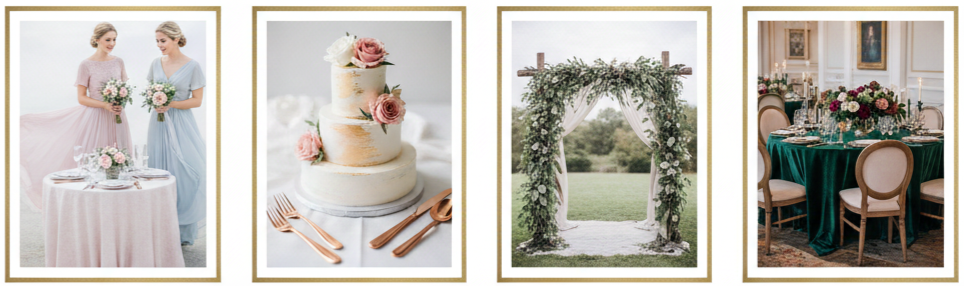
- Most Popular Pastels: Rose Quartz And Serenity Led Soft And Romantic Palettes.
- Metallic Accent Trend: Rose Gold, Copper, And Brushed Gold Added A Modern Touch.
- Natural Wedding Colors: Taupe, Sage, And Stone Gray Matched Rustic Themes.
- Jewel Tone Favorites: Emerald, Burgundy, And Sapphire Elevated Cold-Season Weddings.
Modern Bridal Fashion Statements
Bridal fashion in 2016 felt bolder and more expressive than previous years. Brides still loved timeless silhouettes, yet designers added modern twists that helped gowns stand out in photos and in person. One of the biggest trends was illusion detailing. Sheer fabric placed around the neckline or along the back made dresses look delicate and high-end, especially when paired with lace, beadwork, or embroidered patterns. It created a dramatic effect while still feeling elegant.
Two-piece bridal sets also gained popularity. Brides loved the flexibility of separates, and the look worked well for boho weddings, outdoor ceremonies, or reception outfit changes. Minimalist gowns stood out as well, especially for brides who wanted clean lines and a modern, confident style. These dresses often featured structured shapes, smooth satin, matte crepe, or simple buttons down the back. Another big shift was the use of bridal capes and capelets. Instead of choosing a traditional veil, many brides wore dramatic cape styles that added movement, elegance, and a fashion-forward vibe.
Short and tea-length gowns became more common too, especially for courthouse weddings, smaller ceremonies, or second looks during receptions. They offered comfort and personality while still looking polished and bridal.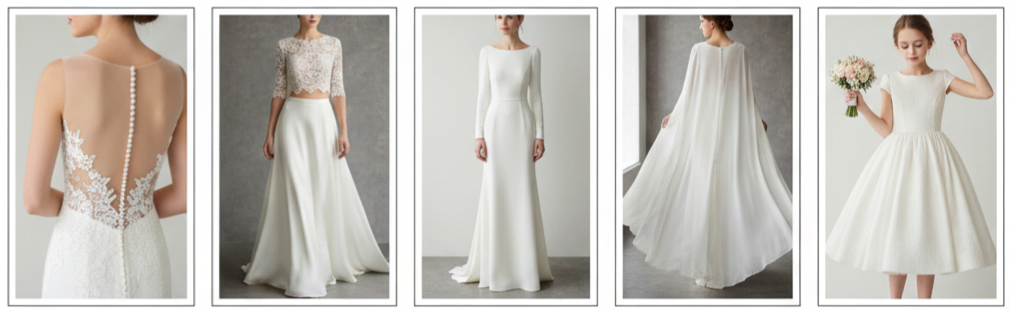
- Illusion Details: Sheer Necklines And Backs Became A Signature Bridal Trend.
- Two-Piece Looks: Separates Offered Flexibility And A Modern Vibe.
- Minimalist Gowns: Clean Lines And Matte Fabrics Created A Timeless Style.
- Capes Over Veils: Capelets Replaced Traditional Veils For A Statement Look.
- Short Dresses: Tea-Length Styles Worked Well For Casual Weddings And Reception Outfits.
Groom Style with Personality
Grooms in 2016 leaned into style instead of sticking to the classic black tux. Wedding fashion became more balanced, and grooms used clothing to show personality while still looking polished. Velvet jackets became a standout trend, especially in deep colors like navy, emerald, and burgundy. These fabrics made the groom look elevated and unique without feeling flashy. Tweed suits gained popularity too, especially for fall weddings and rustic venues, because they added texture and warmth.
Accessories were another major way grooms expressed themselves. Floral ties, patterned socks, and unique pocket squares brought color and character into formal outfits. Many grooms also chose three-piece suits, which created a sharper silhouette and looked great in photos. Dark jewel tones replaced standard gray for couples who wanted a bold, modern look. Tailoring mattered more than ever, and fitted suits became the expectation rather than the exception. Some grooms also skipped traditional ties and chose bow ties or open-collar styling for a relaxed yet intentional look.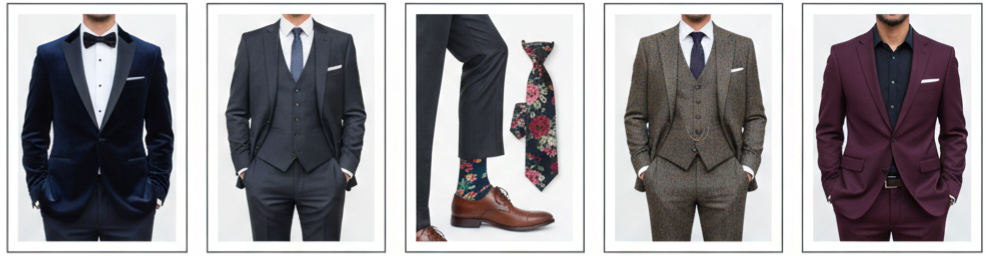
- Velvet Jackets: Textured Fabrics Became A Top Choice For Cold-Season Weddings.
- Tailored Fits: Well-Fitted Suits Created A Clean And Confident Look.
- Bold Accessories: Patterned Socks And Floral Ties Added Personality.
- Three-Piece Suits: Matching Vests Made Outfits Look More Structured And Formal.
- Nontraditional Color Choices: Navy, Burgundy, And Green Replaced Standard Black.
Technology Enhancing the Celebration
Weddings in 2016 became noticeably more digital. Couples used technology to make celebrations easier to share, more interactive, and more memorable. Custom hashtags became one of the easiest ways to gather photos from guests. Couples displayed them on signage, printed them on cocktail napkins, and used them on wedding websites so guests could easily upload and tag their pictures.
Drone photography also became a standout feature that year. Outdoor venues and large receptions looked amazing from above, and aerial footage gave wedding videos a cinematic look. Snapchat geofilters became a fun trend too, letting guests use custom wedding-themed designs for their snaps throughout the day. Live streaming started growing as well, especially for couples with family overseas or guests who couldn’t travel. This trend helped include people who still wanted to witness the ceremony even from afar.
Interactive digital experiences became a regular part of receptions. GIF photo booths, touchscreen guestbooks, and mobile RSVP tools added a modern layer to the traditional wedding structure and made everything feel updated and guest-friendly.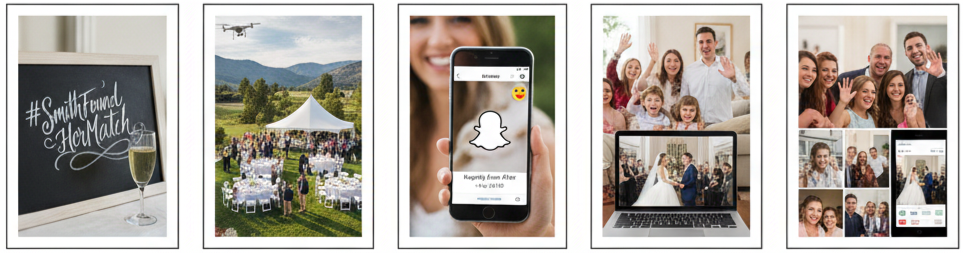
- Wedding Hashtags: Guests Shared Photos More Easily Through Social Media Tags.
- Drone Photography: Aerial Shots Added A Cinematic Look To Wedding Albums.
- Snapchat Filters: Custom Geofilters Created Fun Guest Content In Real Time.
- Live Streaming: Remote Guests Still Experienced The Ceremony From Anywhere.
- Interactive Tech: Digital Guestbooks And GIF Booths Increased Guest Engagement.
Unique Venues and Creative Backdrops
In 2016, couples started choosing venues that felt like an experience instead of a standard event space. Traditional banquet halls became less appealing compared to places with character and atmosphere. Industrial lofts and warehouse venues became popular in cities because exposed brick and high ceilings created a modern, stylish look without needing heavy decorating. Barn weddings remained a favorite too, especially for couples who wanted rustic charm paired with a relaxed setting.
Botanical gardens became an ideal option for couples who wanted natural beauty as part of the décor. Between the greenery, flowers, and lighting, these venues offered a romantic environment that felt effortless. Destination weddings stayed strong in 2016 as well. Couples traveled to beach resorts, vineyards, mountain resorts, or international cities to build an unforgettable celebration around the location itself.
Historic homes and museums also became popular for couples looking for elegance and timeless design. These venues offered built-in charm, unique architecture, and a one-of-a-kind ambiance that made ceremonies feel special without needing excessive décor.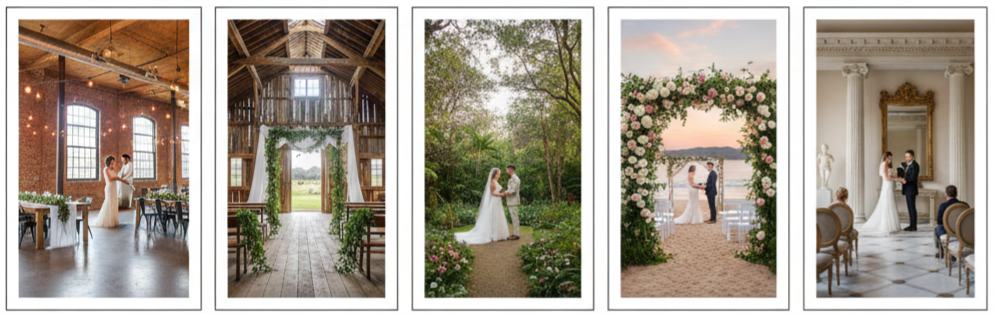
- Industrial Lofts: Exposed Brick And Open Layouts Created A Modern Wedding Style.
- Rustic Barn Venues: Farm Settings Offered Warmth And Flexibility.
- Botanical Gardens: Natural Surroundings Added Instant Romance.
- Destination Weddings: Travel Locations Turned Weddings Into Full Experiences.
- Historic Locations: Museums And Estates Offered Elegant Architecture And Atmosphere.
Immersive Food and Beverage Experiences
Food in 2016 weddings wasn’t just something guests ate before dancing. It became a full part of the experience. Couples leaned away from traditional plated meals and instead chose interactive setups that made dining more social and fun. Food stations became a major highlight, especially taco bars, pasta stations, and sushi setups where guests could customize their plates. These stations encouraged movement and conversation, and they also made dinner feel less formal.
Late-night snacks became another trend that guests loved. Instead of ending food service after dinner, couples brought out sliders, fries, gourmet popcorn, or donuts later in the night to keep energy high. Signature cocktails became essential as well. Many couples created two personalized drinks—one representing the bride and one representing the groom—and included them on printed drink menus.
Dessert displays also expanded far beyond the traditional wedding cake. While tiered cakes still existed, many couples added macaron towers, pie bars, donut walls, or even ice cream carts. Family-style dining gained popularity too, especially in intimate weddings, because it encouraged guests to share and connect during the meal.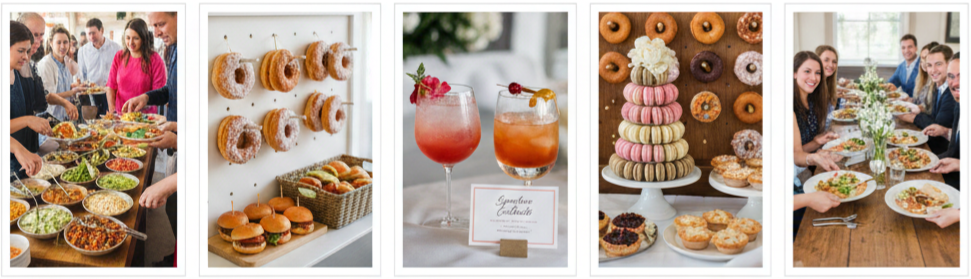
- Food Stations: Customizable Menus Like Tacos And Pasta Became Guest Favorites.
- Late-Night Snacks: Donuts And Sliders Kept Guests Energized Through Dancing.
- Signature Cocktails: Personalized Drinks Added A Fun And Memorable Detail.
- Dessert Displays: Donut Walls And Macaron Towers Replaced Traditional Cake-Only Tables.
- Family-Style Dining: Shared Meals Created A More Connected Atmosphere.
Bold and Beautiful Décor Elements
Wedding décor in 2016 leaned more dramatic and creative, with couples focusing on statement pieces that transformed the venue. Hanging installations became one of the biggest design trends. Instead of putting florals only on tables, planners suspended greenery, flowers, and even chandeliers overhead to fill the space and create a luxurious atmosphere. These details looked stunning in photos and made venues feel more immersive.
Greenery walls became popular too, especially as ceremony backdrops or photo booth setups. They added texture and a modern look that worked beautifully with white florals or metallic accents. Geometric décor added a strong modern touch, often used in centerpieces, terrariums, or signage. Copper and rose gold stayed dominant in décor choices, appearing in candle holders, flatware, table accents, and even furniture details.
Many couples also created lounge spaces with vintage furniture. Instead of keeping guests seated at tables all night, weddings offered cozy seating corners with couches, chairs, and rugs. These spaces felt inviting and gave guests a place to relax while still being part of the celebration.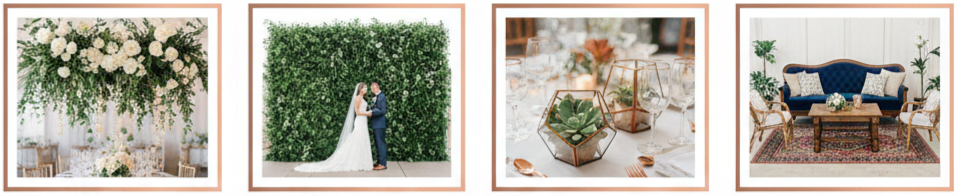
- Hanging Florals: Overhead Installations Added Drama And Depth To Décor.
- Greenery Walls: Lush Backdrops Became A Favorite For Photos And Ceremonies.
- Geometric Accents: Modern Shapes Added Structure To Tablescapes.
- Copper And Rose Gold: Warm Metallics Made Weddings Look Trendy And Elegant.
- Lounge Seating: Vintage Furniture Created Comfort And Style In Reception Spaces.
Alternative Entertainment Options
Entertainment in 2016 became more creative than the standard dinner-and-dance setup. Couples wanted guests to stay engaged the entire night, so many added unique entertainment options that fit their personality. Live artists became popular, especially painters who captured the ceremony in real time or illustrators who made guest portraits as souvenirs. These features gave guests something interactive and memorable.
Silent discos became a major trend as well, especially for venues with noise rules. Guests wore headphones and chose between different music channels, creating a fun and energetic dance floor. Firework finales became another dramatic option for couples who wanted a grand ending. Cultural performances also gained popularity, allowing couples to incorporate family traditions into the celebration through music and dance.
Games played a bigger role too. Lawn games at outdoor receptions, trivia contests, and video booths helped break the ice and gave guests activities besides dancing. These entertainment add-ons made weddings feel more like curated experiences instead of structured events.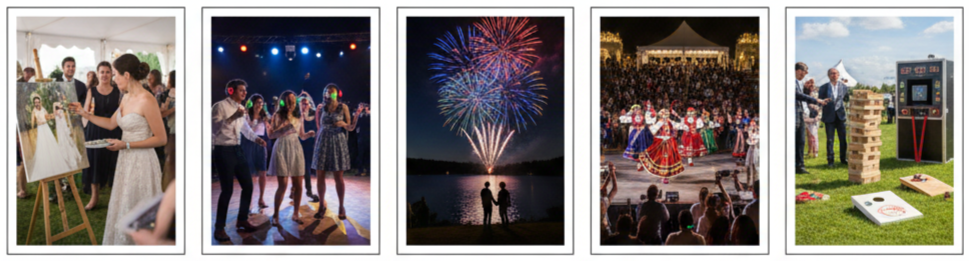
- Live Artists: Painters And Illustrators Created Real-Time Wedding Keepsakes.
- Silent Discos: Headphone Dance Floors Offered Fun Without Noise Limits.
- Firework Displays: Dramatic Send-Offs Became A Popular Closing Moment.
- Cultural Performances: Heritage Music And Dance Added Meaningful Traditions.
- Interactive Games: Lawn Games And Video Booths Kept Guests Engaged.
The Rise of Intimate and Micro Weddings
Smaller weddings became one of the biggest shifts in 2016. Couples started prioritizing quality over quantity and chose intimate guest lists so they could invest more into the details that mattered. With fewer guests, couples could upgrade the food, book higher-end venues, and include features they might not afford with a large crowd.
Micro weddings also created a more personal atmosphere. Couples had more time to speak with every guest and enjoy the day without feeling rushed. These weddings also worked well in unique venues like private estates, rooftop terraces, boutique hotels, and even family homes. The smaller scale made weddings feel warmer and more connected, which many couples valued just as much as aesthetics.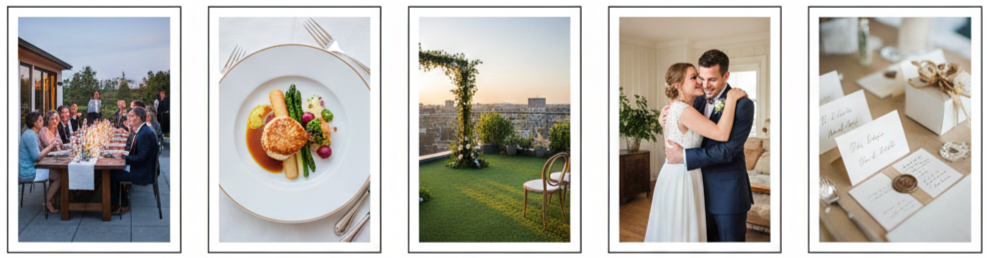
- Smaller Guest Lists: Couples Focused On Closer Connections Instead Of Large Crowds.
- Higher Per-Guest Experience: Budgets Shifted Toward Better Food And Premium Details.
- Unique Venue Options: Smaller Weddings Fit In Rooftops And Private Homes.
- More Meaningful Interaction: Couples Spent More Time With Every Attendee.
- Increased Personalization: Smaller Events Made Custom Details Easier To Include.
Fresh and Personalized Invitations
Stationery in 2016 became more than a formal announcement. Couples treated invitations like a preview of the wedding style, and many used artistic design to create excitement before the day even arrived. Watercolor invitations became popular because they felt soft, romantic, and visually unique. Calligraphy also became a major trend, giving invitation suites a personal and upscale look.
Laser-cut designs added texture and elegance. These invitations often featured intricate patterns that made the paper feel luxurious and detailed. Eco-friendly materials also gained popularity, especially recycled paper and seed paper that guests could plant. Digital options expanded too, with some couples using wedding websites and digital RSVPs for a modern, convenient approach. Many invitation suites included extras like itinerary cards, maps, and custom notes, which made guests feel more involved and informed.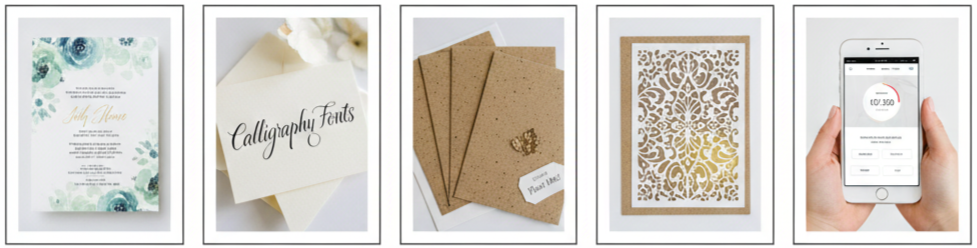
- Watercolor Designs: Painted Invitation Styles Added Romance And Personality.
- Calligraphy Fonts: Handwritten Lettering Made Suites Look Elegant And Personal.
- Laser-Cut Paper: Detailed Cut Patterns Created High-End Texture.
- Eco-Friendly Choices: Recycled And Seed Paper Appeals Grew In Popularity.
- Digital RSVPs: Wedding Websites Made Planning Easier For Guests.
Conclusion
Weddings in 2016 brought a noticeable shift toward personal style, immersive experiences, and modern creativity. Couples moved away from tradition-focused planning and instead designed celebrations that reflected their personalities through color palettes, fashion choices, unique venues, interactive meals, and memorable entertainment. Everything felt more intentional, guest-friendly, and visually curated, which made weddings that year stand out as both meaningful and stylish.
Key Takeaway: The biggest theme behind 2016 wedding trends was personalization. Couples focused on creating celebrations that felt authentic, modern, and unforgettable, shaping many of the wedding styles that remain popular today.
FAQs
What were some common bridesmaid dress trends in 2016?
Bridesmaids often wore mismatched dresses in different styles, yet within the same color family. Rose Quartz and Serenity tones were especially popular, along with soft neutrals and jewel tones depending on the season.
How did couples manage budgets while incorporating trends?
Couples kept guest lists smaller, used DIY décor pieces, and chose venues with strong natural backdrops. These strategies made it easier to invest in key areas like photography, food, and attire.
Were weekday weddings more popular in 2016?
Yes. Weekday weddings gained popularity because venues and vendors often offered lower rates. Couples also had more flexibility with scheduling and location options.
Did couples still use traditional wedding cakes in 2016?
Yes, many couples still had wedding cakes, yet they often added alternatives like donut towers, cupcake tables, and dessert bars to give guests more variety.
What kind of lighting was popular at 2016 weddings?
String lights, Edison bulbs, candlelit tables, and overhead greenery chandeliers were major trends. These lighting choices created a warm, romantic feel, especially for evening receptions.
Leave a Reply